Colorectal cancer in younger adults continues to rise at an alarming pace. Colorectal cancer is now the leading cause of cancer death in men under 50 and the second leading cause in women under 50.
Widespread attention has been brought to the growing concern surrounding early-onset colorectal cancer following the diagnoses and deaths of notable actors Chadwick Boseman, 43, and James Van Der Beek, 48. However, despite rising rates of the disease, researchers still do not fully understand why cases continue to increase.

Since 1990, there has been about a 2% increase in the detection of colon and rectal cancer in people under 50. The rise in disease occurrence may be due to a myriad of factors related to modern lifestyle and environmental changes.
Each subsequent generation since the 1950s has faced an increased risk of developing early-onset colon and rectal cancer. During that time, there has been an increase in the consumption of red meat and processed foods. There has also been an increase in sedentary lifestyles and obesity, which research has shown to be an inflammatory condition. Inflammation along the inner lining of the large intestine can predispose someone to polyp formation.
Polyps develop from a mutation that causes abnormal tissue to grow somewhere along the tracts of the inner lining. Typically, polyps start small, but over time the abnormal tissue continues to mutate and grow abnormally until it develops into a bigger polyp. Eventually, with the accumulation of mutations and growth, it becomes tissue that invades surrounding structures and then becomes a cancer.
Today, adults under 50 are at a higher risk of developing colorectal cancer than people 50 years ago.
There are three big things that young adults need to know about preventing colorectal cancer. Know your risk category, get the appropriate screening based on it and do not ignore abnormal symptoms.
Risk factors are broken into two categories. Modifiable risk factors include diet and lifestyle such as processed foods, obesity, smoking and alcohol consumption. Everyone has modifiable risk factors, and we can all improve them through lifestyle changes. Non-modifiable risk factors include age, family history, hereditary syndromes, inflammatory bowel disease or personal history with polyps. These are factors that cannot be changed.
Risk factors determine which risk category a person falls into. Average-risk individuals, meaning they have only modifiable risk factors, should start getting screened at age 45. If a person has non-modifiable risks, such as family history or certain conditions, they are an increased-risk individual. Specific screening times will differ, but it needs to be earlier than age 45 since they have a higher risk of developing colorectal cancer.
It is very important that people get the appropriate screening. If we catch polyps when they are precancerous and remove them, then that takes away their ability to mutate into cancers. It decreases that person’s likelihood of developing colon or rectal cancer.
Someone with small polyps probably will not notice any early changes within the inner lining of the large intestine. They don’t cause any noticeable signs or symptoms. Typically, once someone starts noticing signs or symptoms, things are getting a little larger.
Common symptoms include fatigue, abdominal pain, anemia, unexplained weight loss and changes in bowel movements. Specific changes can vary depending on the polyp’s location. For example, if it is on the left side, you might see rectal bleeding, while you may have more cramping if it is on the right.
Do not be scared to talk to your doctor about any abnormal symptoms you might be experiencing. Our job is to try to detect when things are going wrong with your body and help you treat them. It may feel strange to talk about symptoms with the non-physician population, but it is not abnormal to talk about them with us at all. Delaying addressing it can only do harm.
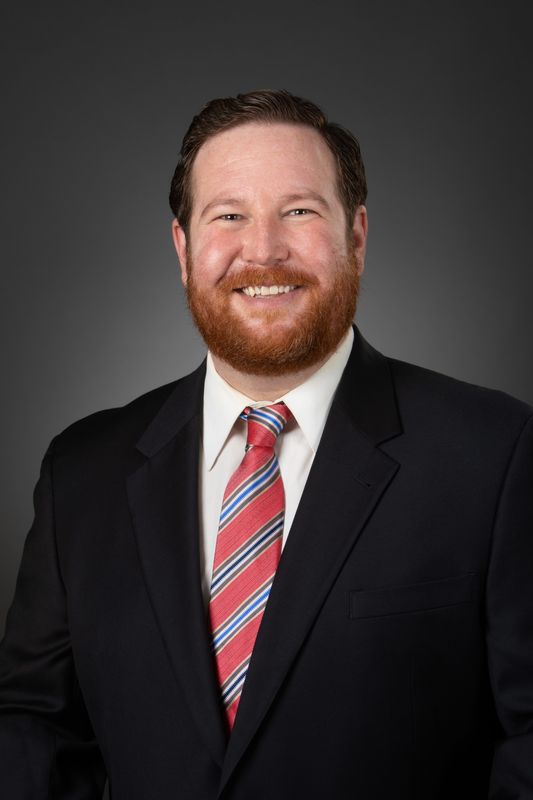
John T. Kidwell, M.D., is a colon and rectal surgeon with Texas Tech Physicians. Kidwell also is an assistant professor and associate residency program director in the Department of Surgery at Texas Tech University Health Sciences Center.
This article originally appeared on Lubbock Avalanche-Journal: Texas Tech HSC doc on navigating early-onset colorectal cancer
Reporting by By Dr. John T. Kidwell, special for the Avalanche-Journal / Lubbock Avalanche-Journal
USA TODAY Network via Reuters Connect