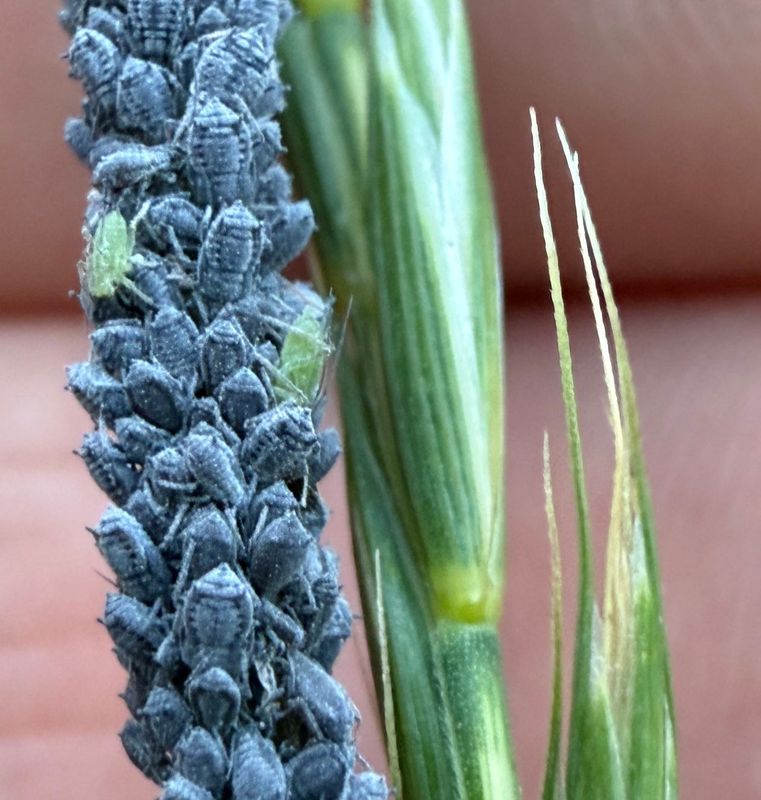
Considering the recent cold temperatures and winter weather throughout our region, I thought a timely topic might be considering how invertebrate animals rebound after such harsh periods.
Regarding many types of insects and invertebrates, people sometimes ask, “Where did they all come from?”

Stated a different way, we are asking how these seemingly vulnerable animals can appear in large numbers in a short time, especially after major population declines during winter and other extreme climatic conditions.
To enhance our understanding, we should consider a few factors related to animal reproductive strategies and cycles.
Two such factors are a species’ fecundity compared to its fertility. Fecundity is a species or individual’s ability to produce offspring under appropriate conditions. But fertility focuses upon the actual number of offspring produced by a species/individual over a specific period of time and conditions.
In most instances, a species’ potential fecundity is greater than its actual fertility. Two familiar examples illustrating differences between these reproductive properties occur in common pets. Domestic dogs and cats have the fecundity to produced large litters of as many as 24 puppies per litter and 12 or more kittens.
However, because of varying factors, such as the mother’s breed, age, nutritional status and other physiological and environmental concerns, average litter size (or fertility) of most dogs is five or six pups, and most mother cats have litters of four to six kittens.
Understanding two additional, population-level, reproductive terms will help answer our questions.
These are reproductive potential — sometimes referred to as natality or birthrate — and biotic potential. A population’s reproductive potential is the maximum number of offspring, or total natality, of the population under ideal conditions. But a population’s biotic potential includes its reproductive potential plus the offspring’s survival rate.
Reproductive and biotic potentials are limited by intrinsic and extrinsic factors within populations, for example, the number of potential mates or adults, population age demographics, food and shelter availability, climate, disease, predation, and other factors collectively referred to as environmental resistance.
Biotic potentials are usually measured as the doubling time of a population. Most vertebrate animals usually have lower biotic potentials than invertebrates although, vertebrates tend to persist in relatively stable population numbers within fluctuating environments. Conversely, invertebrates often undergo precipitous increases and decreases within similar habitats.
With regard to their fecundity, fertility, reproductive potential and biotic potential, many invertebrates are known as “boom and bust” species. Fecundity and fertility rates are high but long-term, offspring survival rates are much lower.
For instance, many spider, insect and other invertebrate species can produce hundreds to thousands of eggs during a single reproductive cycle, and the eggs hatch into immature young within a few days or weeks. This confers invertebrates with high fecundity and fertility. These high rates help explain the seemingly sudden appearances of many invertebrate species.
Rapid maturation of young invertebrates coupled to different diets of immature or larval stage invertebrates compared to their adult parents is another clever strategy allowing at least temporarily large population numbers.
These strategies disperse the invertebrate generations into differing community habitats and reduce competition for food and other necessary resources, thus, reducing environmental resistance upon the entire populations. These developmental and resource partitioning strategies also increase survivability of invertebrate offspring and adults.
Considered together, these strategies help account for the “now you see them, now you don’t” cycle of many invertebrate populations.
Parthenogenesis
Varying reproductive strategies, developmental and differing metamorphic patterns, resource partitioning and other life history strategies that allow invertebrate populations to wax and wane —yet still successfully persist — within natural communities are too numerous to describe in one article.
However, let’s look at an unusual reproductive strategy, at least from the vertebrate animal perspective, common in some invertebrate groups that helps account for their rapid appearance and increase. This strategy is known as parthenogenesis, and the word literally translates from Greek as “virgin birth!”
Parthenogenesis is a type of asexual reproduction involving a single, usually female, parent. This is advantageous because it eliminates the need to search for appropriate mates and often allows individual females to produce multiple generations of similarly fertile, female offspring during a single season.
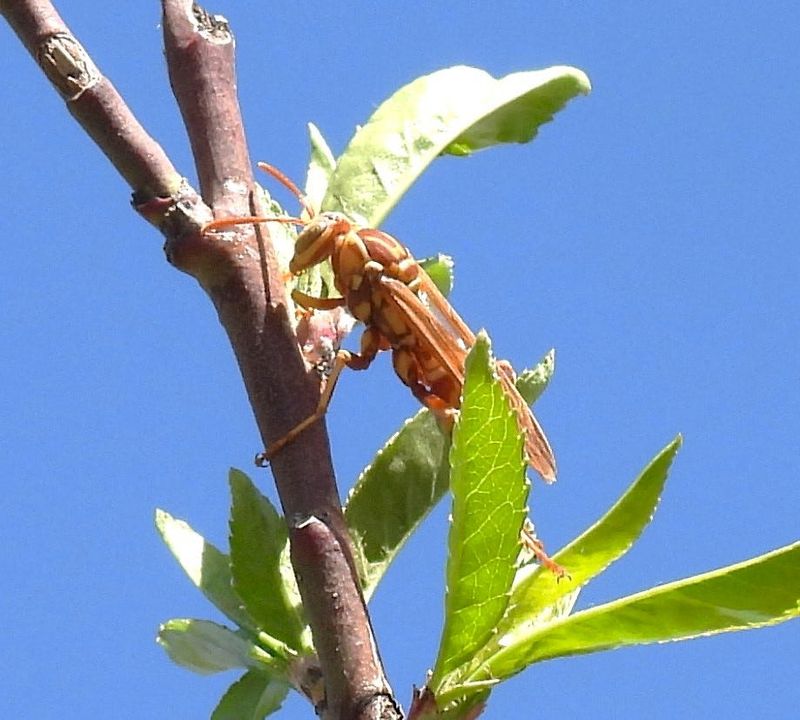
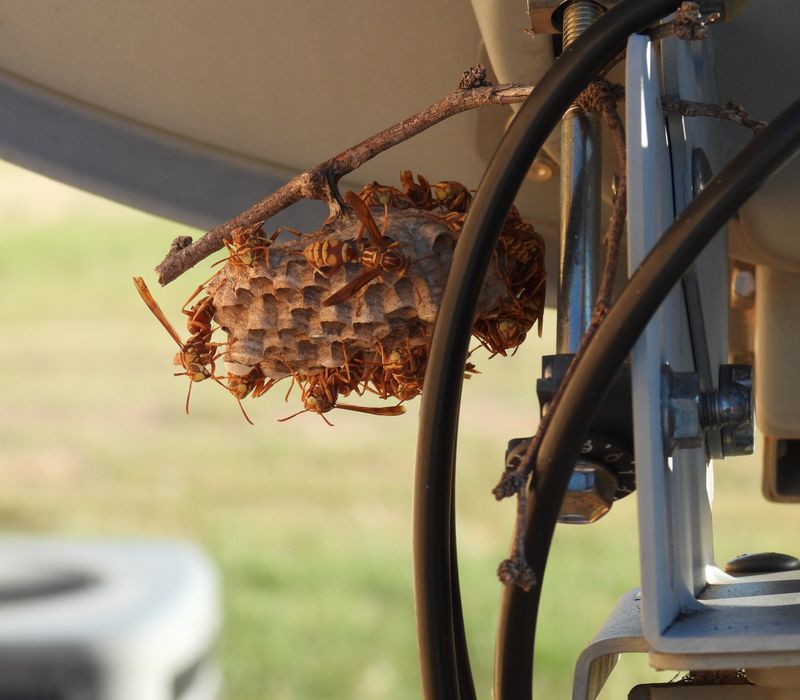
Examples of invertebrate, parthenogenic animals include aphids, ants, termites, some bees, wasps and beetles, a few true bugs, some scorpion species, rotifers, nematodes and others.
Some invertebrates are strictly parthenogenic and only female populations exist. But others practice a type of facultative parthenogenesis wherein fertile females often referred as queens can determine the sex of their offspring.
For example, fertilized aphid eggs overwinter in a state of diapause after which asexual females emerge and produce additional female offspring via laying unfertilized eggs. Clonal mothers and daughters reproduce asexually until autumnal temperatures and light levels stimulate them to produce male and female offspring, which subsequently mate to produce overwintering eggs of the next generation.
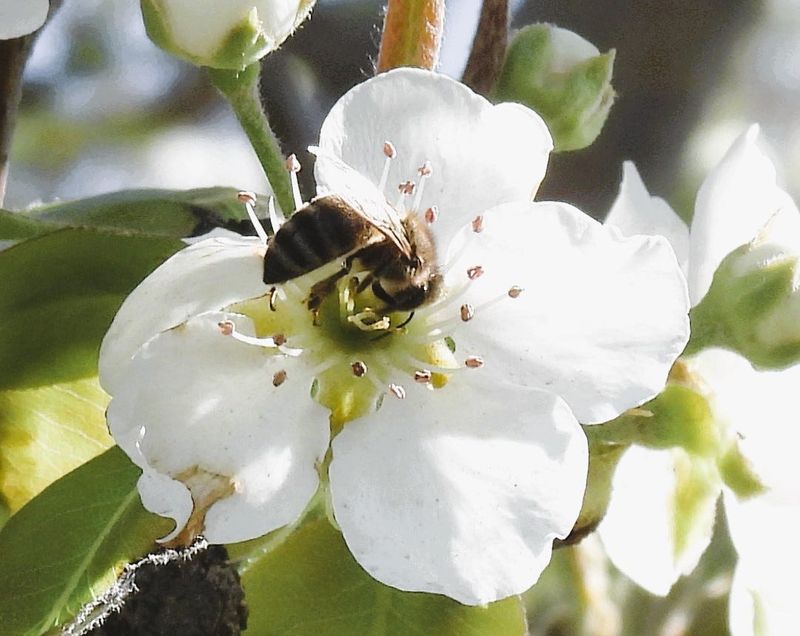
Honey bees practice a slightly different type of parthenogenesis. Larvae from unfertilized eggs of honey bee queens are fed ordinary diets of honey and pollen and consequently develop into males that are genetic clones of the queen.
Worker bees — which are sterile females — place regular, fertilized eggs into larger hive cells and feed these emerging larvae an exclusive diet of royal jelly to produce new queens. The royal jelly is nutrient rich and also contains a protein called royalactin.
Royalactin helps activate genes necessary to produce queen bees. This phenomenon of diet-influenced expression or suppression of genes is an epigenetic — that is nongenetic — developmental effect.
Hopefully this discussion has answered questions regarding a few ways invertebrate animals proliferate and suddenly appear upon the community scene.
Invertebrates have been enormously successful for many million years using these strategies. Interestingly, several vertebrate animals employ similar reproductive methods, including parthenogenesis, but that’s a topic for another time!
Jim Goetze is a retired professor of biology and former chairperson of the Natural Sciences Department of Laredo College with an avid interest in all aspects of the natural world. He can be contacted at gonorthtxnature@gmail.com.
This article originally appeared on Wichita Falls Times Record News: How honeybees, other insects rebound quickly after winter | Opinion
Reporting by Jim Goetze, Wichita Falls Times Record News / Wichita Falls Times Record News
USA TODAY Network via Reuters Connect