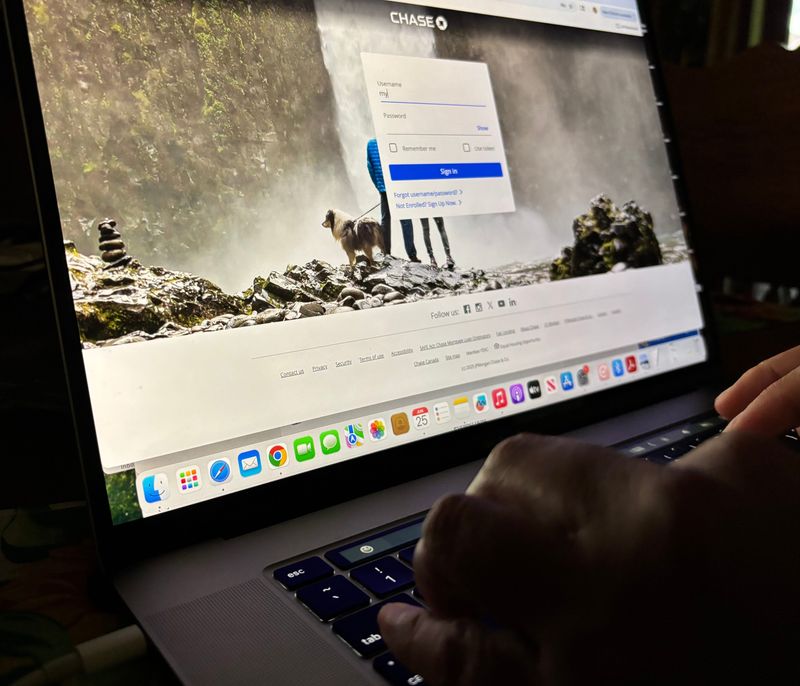
Having to pay for something but not being able to use the money in your bank account is an especially frustrating experience.
An even worse scenario occurs when you have to verify your identity with the bank. A bank may ask about your citizenship status before unlocking your bank account.

It may seem like a bizarre request, but it happens to U.S. citizens and those who are legally residing in the U.S.
In a 2018 Miami Herald article, Saeed Moshfegh was locked out of his Bank of America account. He couldn’t pay his rent. He had to provide documentation to prove his immigration status.
In another situation, Josh Collins and his wife, Jessica Salazar Collins, were locked out of their bank account that they had held for more than 20 years. According to the report, the bank inquired about Collins’ citizenship status. Collins was born in the U.S.
Can banks ask if you’re an American citizen? Here’s what to know.
Is it legal for a bank to ask for proof of citizenship?
Yes, banks in the U.S. are allowed to ask about your citizenship status — but they’re not required to by federal law. When you open an account, they are required to collect your name, date of birth, address, and a taxpayer identification number, such as a Social Security number.
According to the Consumer Financial Protection Bureau, banks such as Bank of America, Chase, Citi, and Wells Fargo do ask about citizenship on their applications because it’s tied to compliance laws, including the USA PATRIOT Act (see Section 352), anti-money laundering regulations, and economic sanctions rules. Knowing a customer’s citizenship or dual citizenship can help banks assess risk, especially for international transactions.
How do banks verify citizenship?
Banks have different methods to verify citizenship as part of their identity verification and compliance processes, using a combination of government-issued documents and internal verification checks.
Here is how the process works:
Do banks have to know your citizenship status?
According to the CFPB, banks will ask about your citizenship depending on the following:
Are banks allowed to freeze your account?
According to Investopedia, banks have the legal authority to freeze an account if they suspect unusual or illegal activity. As per their report, banks became stricter after 9/11, as regulators sought to crack down on those conspiring to commit crimes through financial means.
Here are some reasons a bank might flag your account and freeze it:
This article originally appeared on Austin American-Statesman: Can banks ask you about your citizenship status? Here’s why they may ask
Reporting by Marley Malenfant, Austin American-Statesman / Austin American-Statesman
USA TODAY Network via Reuters Connect