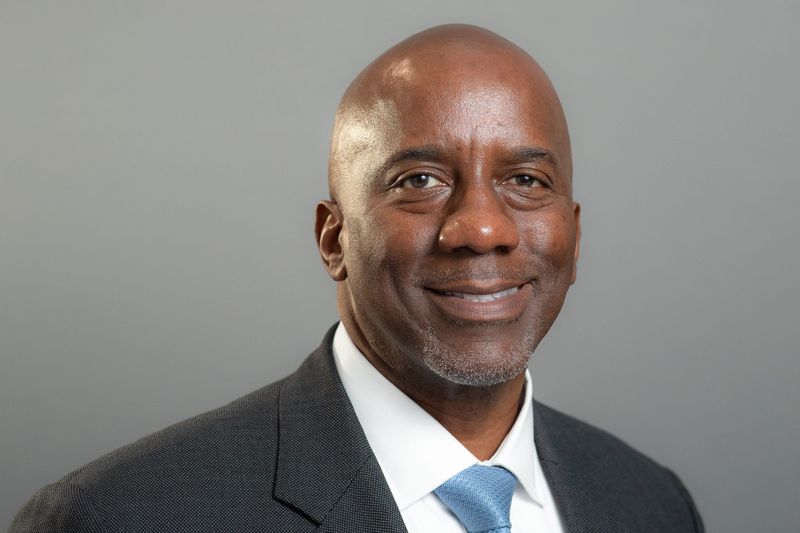
Maurice Woods is the chief operating officer of Columbus City Schools
The Dispatch published a guest column Nov. 16 in which Aaron Churchill of the Thomas B. Fordham Institute claim school districts are unfairly denying busing for charter and private school students.

His view doesn’t reflect what’s really happening in Ohio.
Chronic underfunding has pushed districts into a financial crisis, and transportation—one of the most expensive and poorly legislated mandates—is driving up costs for taxpayers.
Columbus City Schools manages more routes than COTA, handles a $75 million transportation budget, and coordinates thousands of student trips daily, even though COTA’s total budget is about two and a half times ours.
Each day, our district routes transportation for over 37,000 students, including nearly 9,000 students attending charter and private schools.
Driver shortages, school bell schedules challenges are real
Ohio faces a persistent bus driver shortage and conflicting bell schedules across hundreds of regional charter and private schools.
Combined, these factors drive up prices for the public systems, which are ordered to provide busing regardless of where the student wants to go to school.
Before the pandemic, Columbus schools employed almost 800 bus drivers to handle the demand, but today, the district only has around 420 drivers to cover 9 million miles of routes for CCS, charter, and private school students.
To help bridge the gap, the district spends $18 million annually on contract buses, mostly for the charter and private school students, ensuring service even on days when our schools are closed.
In no other state in America are public school districts ordered to transport private school students like this.
There is a good story behind the number
Columbus City Schools is delivering results every day through collaboration with charter and private schools for route planning and improved family communication.
These efforts are paying off.
So far this year, family complaints about students being declared impractical to transport have dropped by 90%, and fewer than 1% of families have requested mediation. A major driver of this success is proactive outreach to schools and families early in the year, ensuring transparency and reducing uncertainty.
The impact is clear: average travel time has been cut in half since the 2022–2023 school year, a significant improvement that reflects our commitment to efficiency and service.
Behind these numbers are stories that show the heart of our work.
At Southwood Elementary School, Ms. Stanese, a Columbus schools bus driver, has built an extraordinary bond with students. One student with special needs eagerly looks forward to the ride home because she greets her each afternoon with “The Itsy Bitsy Spider,” complete with hand motions.
This simple act of kindness reminds us that transportation is more than logistics. It is about creating moments of joy and connection that make a lasting difference for our students.
Punitive, unpredictable complaint system costing taxpayers millions
Ohio law sets strict deadlines for districts and the Department of Education and Workforce, but none for charter or private schools filing transportation complaints.
If a bus is late or misses a trip, schools report it to the state and the state withholds daily transportation funding. This can be $160,000 a day for Columbus City Schools.
Some schools wait until year-end to report, making problems impossible to fix and triggering fines that can total tens of millions of dollars. Last year alone, these punitive and unpredictable fines cost Columbus taxpayers over $17 million, diverting critical resources from classrooms and student services.
Students are not being served
Looking ahead, Columbus City Schools faces tough choices. Without full and fair state funding, possible cuts to federal funding, and the continued national bus driver shortage we may have to join other Ohio districts in ending bus service for high school students.
These discussions come as the district works to cut $50 million from next year’s budget. The current system in Ohio is unsustainable and does not serve our students well.
If Ohio truly cares about students, we need systemic fixes: clear complaint deadlines, fair processes, and funding that matches actual costs.
Without these changes, districts like CCS will keep paying millions in fines—money that should be going to classrooms.
We are ready to work with lawmakers and charter and private school partners to make that happen and get ALL students attending public, charter and private options to school safely and on time.
Maurice Woods is the chief operating officer of Columbus City Schools.
This article originally appeared on The Columbus Dispatch: We need partners not penalties. Columbus schools taking on extreme busing challenges | Opinion
Reporting by Maurice Woods, Guest Columnists / The Columbus Dispatch
USA TODAY Network via Reuters Connect