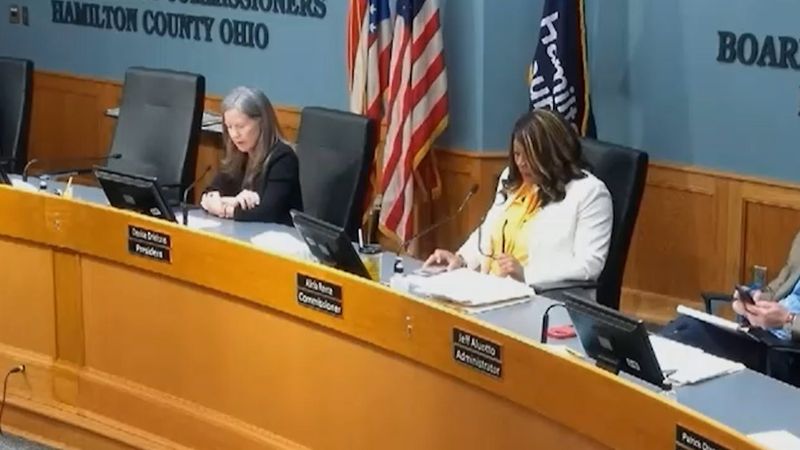
For 26 years, Hamilton County residents have carried what the Wall Street Journal once called one of the most lopsided stadium deals in the NFL. On Thursday − just four days before the Bengals’ June 30 opt-out deadline − county commissioners rewrote that unhappy history, approving an 11-year agreement that keeps the team here through at least the 2036 season, with five two-year renewals that could extend that stay to 2046.

What changed? Just about everything that mattered.
No two NFL cities negotiate under identical circumstances, but the commissioners insisted that any new pact meet modern market norms. This one does. It aligns with deals in Charlotte, Baltimore and Nashville − cities where teams, not taxpayers, now absorb a larger share of risk.
Let’s give credit where it’s due.
Commissioners Denise Driehaus, Alicia Reece and Stephanie Summerow Dumas, along with County Prosecutor Connie Pillich, recognized that the county could not claw back leverage with the same advisers who signed away leverage in 1997. Firing longtime counsel Tom Gabelman and bringing in David Abrams of Inner Circle Sports reset the tone and the math. Abrams’ charge was plain: end the lease’s lopsided distribution of cost and risk. By every measurable yardstick, he did.
The commissioners also deserve kudos for not assuming the county would get state funding to support the stadium, not hanging their hat on those politics the way Cleveland did. Now, any state dollars Hamilton County secures for Paycor in the future will only sweeten this deal.
The Bengals deserve a nod as well. A franchise now valued near $4 billion acknowledged that yesterday’s sweetheart terms would never survive today’s political or economic scrutiny. The Brown family never threatened to leave, according to county officials; instead, they agreed to invest nine-figure capital and accept meaningful rent − moves that will keep Paycor Stadium “best-in-class,” as the club put it, without turning taxpayers upside down.
Is the deal perfect? Of course not. A longer guaranteed term would calm fans who still shudder at the specter of Mayflower moving vans, and a 50-50 cost split would have been fairer still. Yet perfection was impossible given the hole dug in 1997 and the ticking June 30 clock. What commissioners produced instead is a pragmatic win: a safer fiscal ceiling, a broader public benefit, and the priceless security of knowing Cincinnati’s Sundays will remain striped orange and black.
Now comes the stewardship. Construction overruns must stay below the $350 million cap, and community bookings must be robust enough to justify public investment. If county leaders remain as vigilant in oversight as they were in negotiation, the long-suffering taxpayer will finally see more than empty promises for those hard-earned sales-tax dollars.
For the first time in a generation, the scoreboard at Paycor reads: Taxpayers 1, Old Lease 0. Let’s keep it that way.
Opinion and Engagement Editor Kevin S. Aldridge writes this on behalf of The Enquirer’s editorial board, which includes Editor Beryl Love and Senior News Director of Content Jackie Borchardt. Editorials are fact-based assessments of issues of importance to the communities we serve. These are not the opinions of our reporting staff members, who strive for neutrality in their reporting.
This article originally appeared on Cincinnati Enquirer: This Bengals stadium deal puts Hamilton County taxpayers on the scoreboard | Editorial
Reporting by Enquirer editorial board / Cincinnati Enquirer
USA TODAY Network via Reuters Connect