SYCAMORE TOWNSHIP, OH — Holly Talmage decided she’d had enough of her plain, boring lawn.

The former nurse from this Cincinnati suburb wanted a change – and to help monarch butterflies, whose population has declined by more than 80% since the 1990s, largely because of habitat loss.
Nine years ago, she started cultivating flowers and plants native to North America, part of a growing movement to grow plants that help pollinators and wildlife.
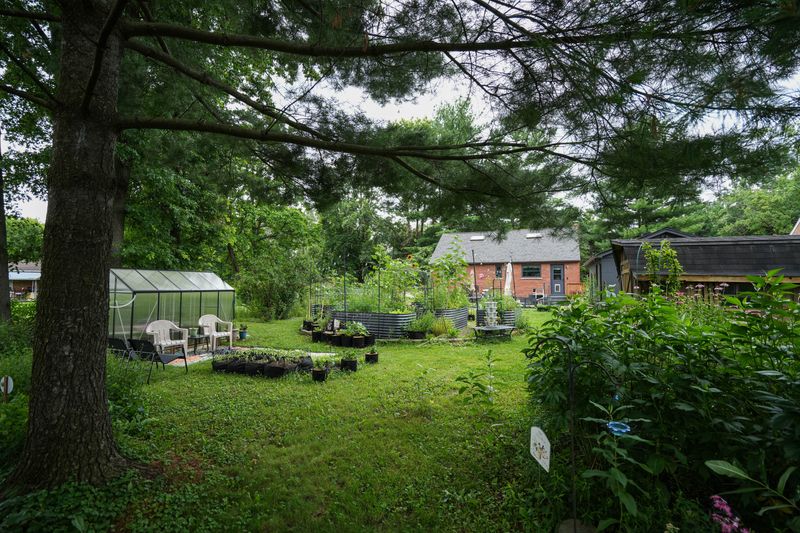
Almost a decade later, her lawn features more than 30 different plants, flowers and herbs, including milkweed, coneflowers and wild bergamot. Talmage’s property is even a certified monarch waystation recognized by the North American Butterfly Association.
But on May 27, she received a notice citing weeds in her front yard that exceeded height limits, violating Sycamore Township’s zoning ordinance. The “weeds,” however, were native fall asters, a late-blooming perennial flower.
A garden or a nuisance?
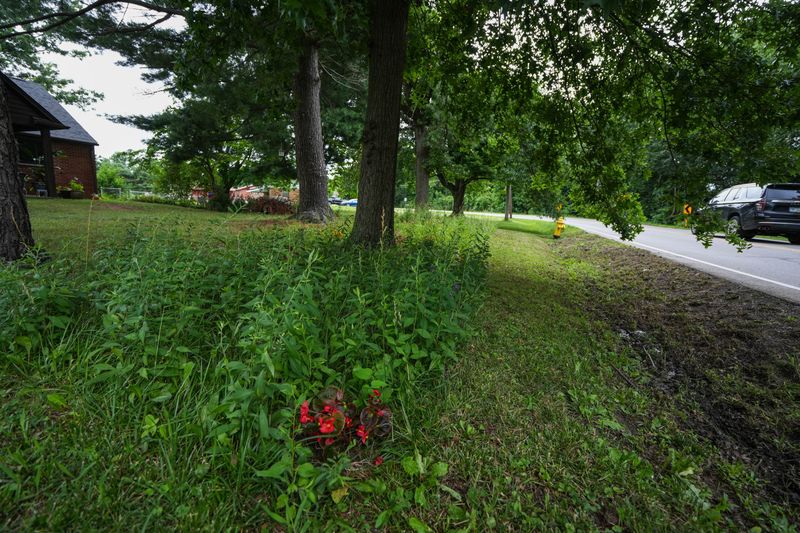
At first, Talmage said she understood the confusion. She said before they bloom, fall asters can look like weeds, so she spent $300 adding other flowers to signal the plants were intentional. She also mowed the ditch next to her property in case officials were worried about roadway visibility.
The township still issued an official citation June 18 stating her property had been “declared a nuisance.” The citation photos didn’t show the additional planting and work she completed after the initial warning.
If Talmage did not remove vegetation within seven days, the zoning administrator would “cause the nuisances to be removed” and charge her a fee, according to the citation.
Harry Holbert, Sycamore Township zoning and planning administrator, told The Enquirer the township couldn’t comment because officials had not yet reviewed the case and come to a decision.
Talmage says citation is ‘disheartening’
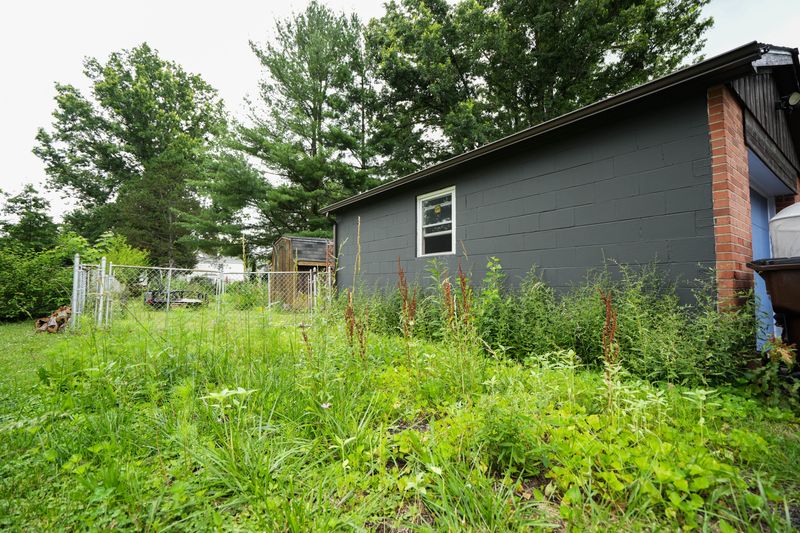
The area in Talmage’s front yard at risk of mowing also includes milkweed, a plant butterflies commonly lay their eggs on. This citation included a photo of a second patch of land toward Talmage’s backyard garage, which she says includes sunflowers and cosmos that won’t bloom until later in the summer and fall.
Talmage said the citation felt discouraging after years of work. “It’s disheartening,” she said.
Talmage’s next-door neighbor, who asked not to be named, said she enjoys the plants that adorn Talmage’s yard. The neighbor said she even postpones mowing the patch of grass between their houses until the wild violets stop blooming each year.
Talmage said her other neighbors are supportive of the waystation and her native landscapes.
Talmage has lived at her home on School Road for 11 years and hasn’t received a citation before. She wants to know why she is receiving notices now.
Sycamore Township’s zoning code requires property owners to keep their yards free from weeds or plants taller than 8 inches. The ordinance defines weeds as “grasses, annual plants and vegetation, other than trees or shrubs.” But it excludes “cultivated flowers and gardens.”
Native gardens often run afoul of zoning laws
Talmage said she’s frustrated native landscapes often don’t align with traditional zoning rules.
It’s a problem Cory Christopher, director of conservation at the Cincinnati Nature Center, said he’s spent much of his career trying to understand and solve. Christopher said he often gets calls from residents who have received citations for their native gardens.
“Some of these topics, like putting in a native landscaped area, it’s kind of a new thing for a lot of municipalities,” Christopher said. “Twenty years ago, this just wasn’t an issue. So, I think we’re in a place where we are seeing the sort of growing pains, just trying to figure out ‘how do we wrap our hands around this?'”
Talmage has appealed to township officials, sending them her certifications and explainers on all the plants in her yard. But a lack of response and information from the township has left her worried they could come in and mow parts of her landscape.
She said her first call to the township planning and zoning department went unanswered. She sent an email June 18 to administrators and township trustees but didn’t get any substantial responses. Later that day she got in contact with an administrator, who she said told her the abatement would be paused until the township reviews her case.
Talmage said she’s received no indication of who will decide and when.
“I travel every other week,” Talmage said. “I don’t want to be worried about my yard being mowed down.”
This article originally appeared on Cincinnati Enquirer: She cultivated a butterfly garden. The township cited her for ‘weeds’
Reporting by Mia Hilkowitz, Cincinnati Enquirer / Cincinnati Enquirer
USA TODAY Network via Reuters Connect

By Mia Hilkowitz, Cincinnati Enquirer | USA TODAY Network