Area credit unions are joining others across the state to defend the Community Development Financial Institutions (CDFI) Fund that provides financial resources to disadvantaged communities.
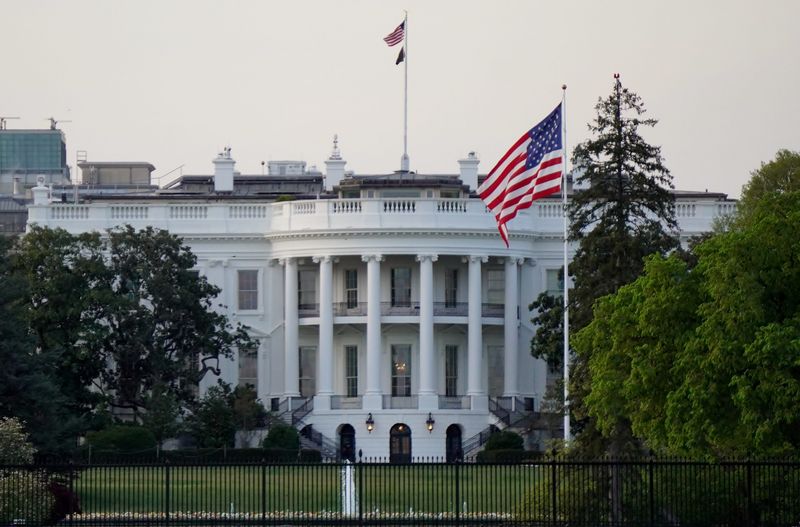
The White House’s proposed fiscal year 2027 budget would slash $204.5 million — taking the CDFI Fund from $324 to $120 million. The U.S. Department of the Treasury certifies CDFIs, which lend in underserved markets and support affordable housing, small business and other community revitalization efforts.

Bill Wittig, president and CEO of the Jackson Township-based CSE Federal Credit Union, said that being a CDFI since the fall of 2020 has allowed the institution to better serve the community and its needs.
“The CDFI, helps us to continue the programs that we’ve been doing for, probably, about 15 years, and just keeps us focused on what our mission and purpose is,” he said. “Our purpose is basically to serve people and make a meaningful difference in their life, people of all walks of life.”
As a CDFI-certified credit union, 70% of CSE’s loans have to go toward low-income designated areas. Wittig said the institution awarded nearly $130 million in new loans last year — including amounts under $1,000 that don’t meet the threshold for most traditional banks.
CSE Federal Credit Union primarily serves Stark County but expanded into Tuscarawas, Carroll, Summit and Portage counties in 2024. Wittig said the credit union takes on clients who other institutions might turn away because of bad credit, a history of account abuse, or other issues.
There are 20 CDFI credit unions in Ohio. They include St. Joseph’s Federal Credit Union in Jackson Township, Buckeye State Credit Union in Akron, and New Horizon Federal Credit Union in Barberton.
The Ohio CDFI Network reported that, from 2005 to 2023, Community Development Financial Institutions have created or retained more than 77,703 jobs; financed 52,047 housing units; and financed more than 25,906 micro business loans.
Emily Leite, chief advocacy officer for the Ohio Credit Union League, hosted an online news conference April 17 along with credit union representatives to advocate for maintaining CDFI funding. She said credit unions on the call are questioning whether they will keep their CDFI certification and whether compliance is worth it if funding is uncertain.
“I don’t think it’s the intended consequence, but it is the unintended consequences occurring as we have political discussions about government funding and investment,” Leite said.
President Donald Trump’s administration released the 2027 proposed budget on April 3. The budgeting process is ongoing, and the new fiscal year begins Oct. 1.
The U.S. Department of the Treasury also issued a statement this month about new rules to ensure that the money does not benefit people who are in the country illegally. The announcement also mentioned a new requirement for CDFIs to have policies to prevent “unlawful discrimination.”
“Under President Trump’s leadership, we are enforcing the law and preventing the abuse and misuse of CDFI Fund grants intended solely for American citizens and lawful residents,” Secretary of the Treasury Scott Bessent said in a prepared statement. “Treasury will continue to use its authority to prevent waste, fraud, and abuse in all forms, including by safeguarding taxpayer money awarded by the CDFI Fund.”
Wittig said that CSE Federal Credit Union has received three CDFI grants — the first and largest was $2.8 million from the Rapid Response Program designed to help financial institutions respond to economic difficulties caused by the COVID-19 pandemic.
Another grant was less than $2,000 and provided small-dollar loans for clients who needed temporary help to buy necessities, such as diapers. The other was a $1 million grant used in partnership with Stark State College to provide loans for trade school, with payments and interest deferred until graduation.
“That way people can better themselves,” Wittig said.
CSE Federal Credit Union is waiting for the Department of the Treasury to complete its CDFI recertification process but intends to apply for another “low-dollar” grant, he added.
If the proposed budget cuts are approved, Wittig expects the federal government to award fewer grants with more stringent requirements and less money. But he’s hopeful that Congress will see the value in CDFI funding — which leveraged more than $3 in private investment for every $1 of CDFI capital for a total of $10.7 billion between 2005 and 2023, according to the Ohio CDFI Network.
Reach Kelly at 330-580-8323 or kelly.byer@cantonrep.com
This article originally appeared on The Repository: Canton-area credit unions make case for continued federal funding
Reporting by Kelly Byer, Canton Repository / The Repository
USA TODAY Network via Reuters Connect