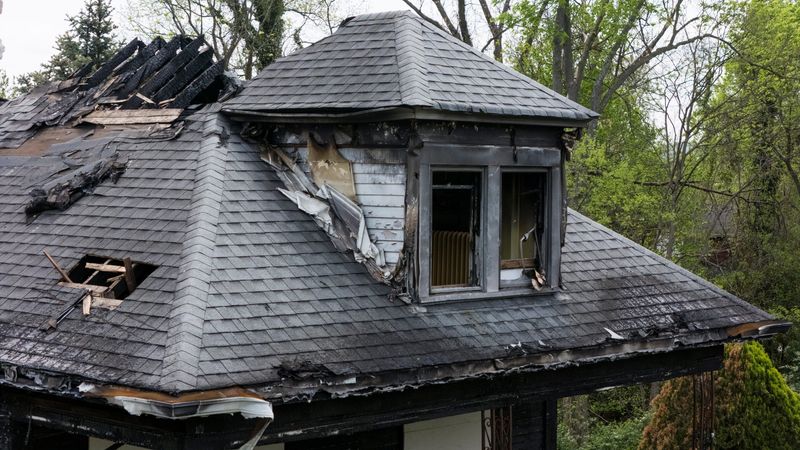
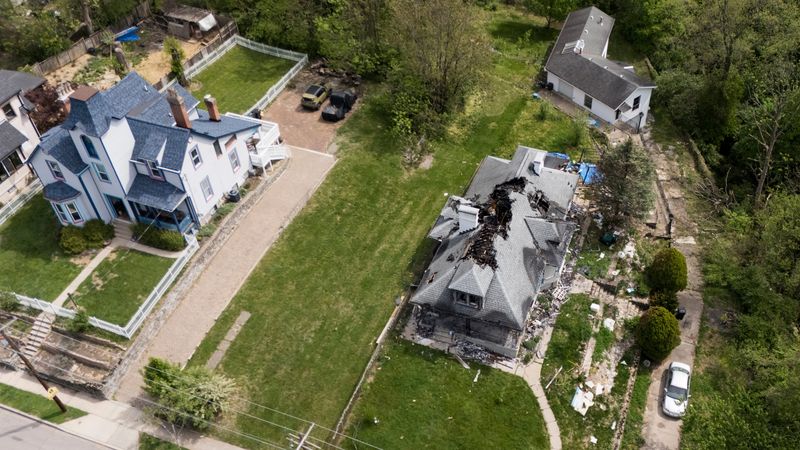
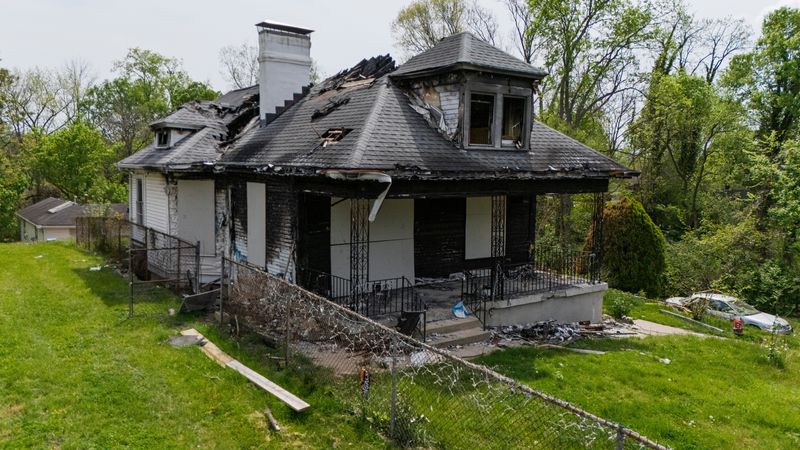
As Cincinnati firefighters battled flames tearing through a century-old home in Spring Grove Village, three people were trapped inside.

One was on the phone with 911.
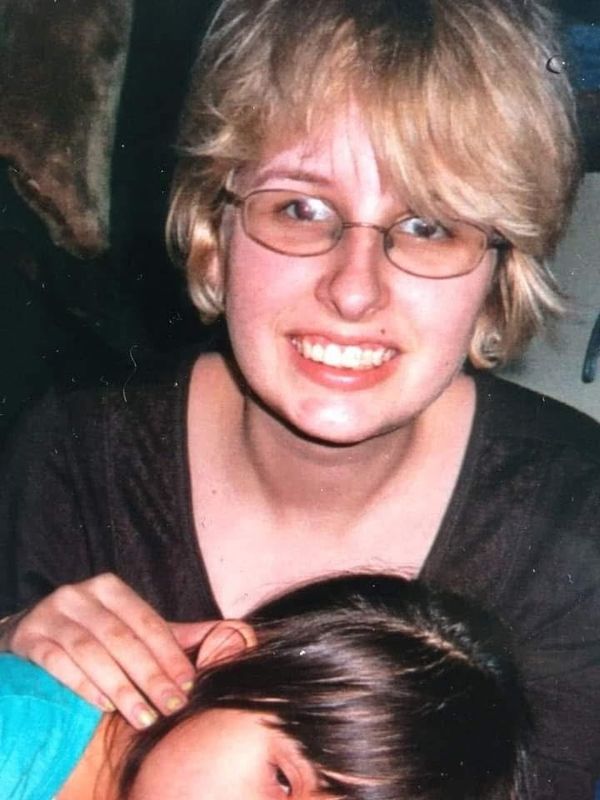
For 10 minutes, as firefighters searched the house from the basement up, an emergency call taker was on the phone with 32-year-old Sol Archambault, who said they were trapped in an upstairs attic-turned-bedroom while their sister and mother were trapped downstairs.
Recently released reports and radio traffic reviewed by The Enquirer show that information was not relayed to firefighters at the North Edgewood Avenue home until it was too late. By the time firefighters found the trapped people, two were already dead, and Archambault was unconscious and later died from smoke inhalation.
From the first minutes after an initial 911 call came in – when 68-year-old Mary Ann Schwartz ran back inside her home to rescue her two adult children, Sol and 22-year-old Aislynne, who had Down syndrome – there were discrepancies in what information was shared on the radio the night of Jan. 17.
When citizens call 911, they are connected with a trained call taker who gathers basic information and passes it along to a dispatcher. The dispatcher uses that information to decide how many firefighters, police or emergency medical services personnel to send.
Call takers stay on the line with callers, relaying new information to dispatchers as it becomes available, using a computer-aided dispatch system, or CAD. Dispatchers decide what information to relay to firefighters and incident commanders over the radio.
In response to questions from The Enquirer, city spokeswoman Mollie Lair said dispatchers did not fail to relay information about Archambault’s call. However, Lair admitted there was a delay, attributing it to heavy radio traffic and the volume of information dispatchers were processing that night.
The fire chief said it remains unclear whether firefighters receiving that information would have changed the outcome, a conclusion Lair said was affirmed by the investigation. A 911 expert and the fire union president, however, said the information pinpointing the location of people trapped in any fire is crucial.
Records show that once firefighters learned Archambault was on the phone with 911 and trapped in the attic, they located them unconscious four minutes later. They later died.
Dylan Archambault, the sibling who was not home when the fire began, said he was unaware of the communication lapse and he wants to understand exactly what happened.
“This is a terrible tragedy,” Dylan Archambault said in a statement through his attorney Derek Phipps. “It is deeply concerning that someone could be on the phone with 911 asking for help, while at the same time, responders on the scene are never provided that critical information.”
Firefighters pulled back while people were inside
Schwartz called 911 at 7:06 p.m. Jan. 17 and said her children were trapped inside her North Edgewood Avenue home.
Seconds later, the fire was dispatched as a “one alarm,” with eight firetrucks and other emergency medical services sent out all at once. Many fires are dispatched as “still alarms,” when the extent is unknown. A one-alarm fire immediately assigns additional resources due to reported severity.
After making the call, Schwartz ran to get neighbors to help rescue her kids and cats, neighbors said. The heat and smoke were too much and they could not follow her inside, according to the fire report.
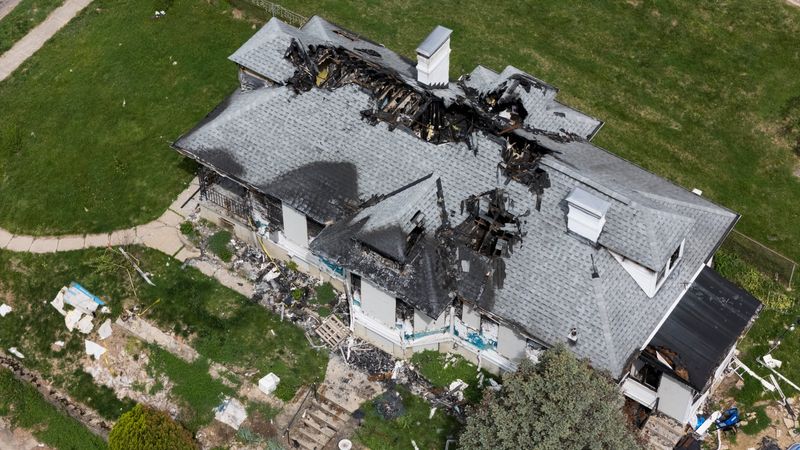
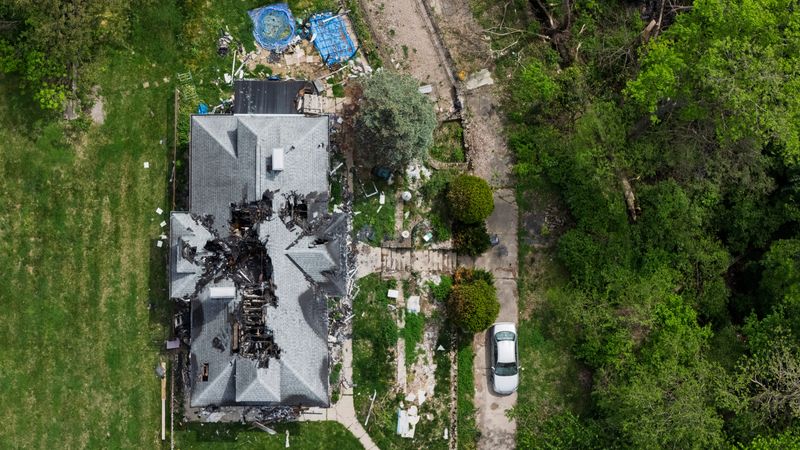
No smoke detectors were in the home, which was built in 1908, and there were a number of void spaces between the walls, which firefighters say accelerated the flames.
More neighbors called 911 to report that people were trapped in the home. It was not until firetrucks were en route that dispatchers gave an update that there were “possibly two to three victims still inside the residence,” according to the fire report.
A minute-and-a-half after the first ladder arrived, Sol Archambault called for help, reporting being alone in the second-floor bedroom.
The 911 call taker stayed on the line with Archambault for 6 minutes until they became unresponsive, making notes in the electronic dispatch file. A dispatcher never relayed the information over the radio. During that time, the fire department pulled back and took a more defensive approach to the fire, citing extreme heat, live downed electrical wires and fire conditions.
Another minute passed. A dispatcher asked on the radio whether anyone was still inside the home. The incident commander responded that it had not been confirmed.
It had been 7 minutes since Archambault first said they were trapped inside.
Three minutes later, a commander with access to dispatch notes asked the dispatcher for clarification.
“Are you getting calls from potential occupants inside this building on floor 2?” the commander asked.
“Command, getting ready to relay, 4684 North Edgewood Avenue has someone calling that they’re stuck on the second-floor bedroom,” a dispatcher replied.
Four minutes later, and 14 minutes after Archambault called 911, firefighters pulled them out of the building, unresponsive, and transported them to the hospital. Archambault later died of acute carbon monoxide poisoning, according to the Hamilton County Coroner’s Office.
The fire continued to spread. Firefighters retreated and resumed a defensive approach, putting out the fire from the outside.
About an hour-and-a-half after the fire was called in, firefighters found Schwartz and Aislynne Coffaro dead on the first floor.
Fire chief: Cannot assume info ‘could’ve changed the outcome’
Cincinnati Fire Chief Frank McKinley said after a February meeting that it’s the department’s standard operating procedure to search for victims inside a burning building, regardless of if they are informed someone is inside.
“I think it’s unfair to just assume that because the information wasn’t relayed that contributed to the cause of death or could’ve changed the outcome,” McKinley said in response to a question about whether firefighters knew someone was trapped in the building when they arrived. “I don’t feel like any of us are in a position to say for certain if it did or if it didn’t.”
Lair said in an April statement that the call taker on the phone with Archambault followed the city’s protocols. She praised the call taker’s actions, saying they “did an exemplary job in providing the caller with instructions appropriate for a person trapped in a fire.”
The Enquirer requested recordings of all 911 calls related to the fire in February but did not receive them prior to publication.
Joe Elliott, fire union president, said that even though immediately searching for trapped people is part of firefighters’ training, information about where a person might be is crucial.
Firefighters rely on call takers to relay information to dispatchers so they can decide what emergency personnel on scene need to know, he said.
The communication lapse bears similarities to those in the 2018 death of 16-year-old Kyle Plush after he was trapped inside his parked minivan. In Plush’s case, the family alleged the 911 call taker failed to share critical information with police about his need for immediate help, which contributed to his death.
The city eventually settled with Plush’s family for $6 million and pledged to make improvements to the 911 center.
Lair said dispatch procedures state that dispatchers should read “all pertinent incident text, such as information concerning persons trapped in a fire or life safety information.”
Knowing a trapped person’s exact location inside a building is “incredibly pertinent,” said John Melcher, a former CEO of the largest 911 program in North America and an expert hired in the Plush case.
“Basic 911 standards state that’s valuable information,” Melcher said. “First responders can only act with the information that they’re given.”
‘Time is always of the essence.’
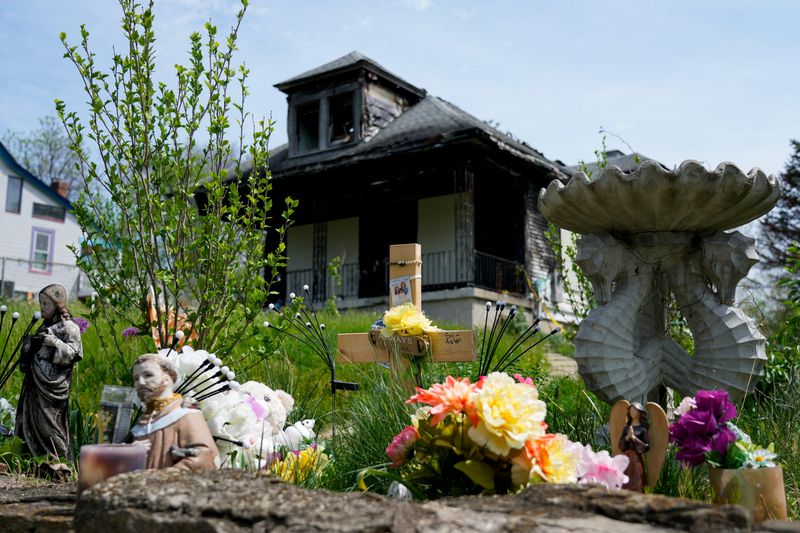
Three months after the fire, a collection of candles, flowers and Christian statutes memorializing Mary Ann, Aislynne and Sol rest in front of the burned home.
Lair said no changes to protocol had been made because of the fire and no disciplinary action was taken against the call taker, dispatcher or dispatch supervisor, all of whom have been employed by the city for multiple years.
McKinley said in February the department is always looking to improve communication between dispatchers and firefighters.
“As a firefighter, as someone who’s come up through the system, I love to have as much information as possible as quickly as possible,” McKinley said.
Elliott, the union president, said that while dispatchers often process a surge of information through the system and over the radio, reports of trapped occupants stand apart in importance and should always be relayed as an urgent message.
Melcher said that busy radio traffic is not an excuse for not relaying information. Radio traffic tends to be busy during an emergency, he said.
“Time is always of the essence,” Melcher said. “That’s what 911 is all about.”
This article originally appeared on Cincinnati Enquirer: 911 caller said they were trapped. Firefighters didn’t know. 3 died
Reporting by David Ferrara, Cincinnati Enquirer / Cincinnati Enquirer
USA TODAY Network via Reuters Connect