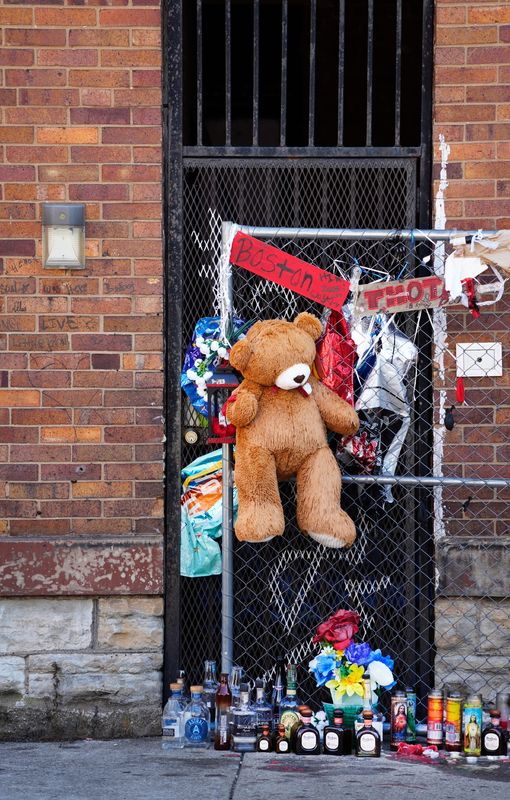
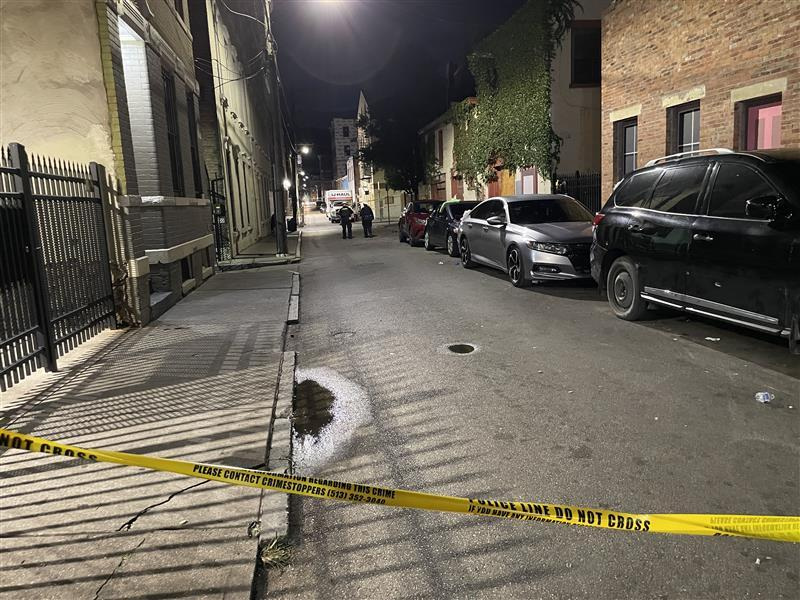
It only takes a moment for someone to be wounded or killed by a gunshot or other form of violence. But the impact of that moment reverberates in years of suffering: families torn apart by death or incarceration, survivors struggling with emotional and physical trauma, and enormous financial losses to the families of victims, perpetrators, and our community. Sacred scriptures teach us to build peace, and yet our city, like our entire country, continues to suffer from violence and its wide-ranging effects.

As our city’s longest-running interfaith coalition, the Metropolitan Area Religious Coalition of Cincinnati (MARCC) emphasizes the fundamental importance of addressing the root causes of community violence, not just its headline-grabbing consequences. As public safety becomes even more politicized in the wake of the “brawl” that occurred downtown in the early hours of July 26, MARCC offers five effective and holistic strategies for violence prevention we can implement together, drawing on the successes of other cities, and our own, in reducing violence.
Preserve and strengthen violence prevention programs
Across our area, diverse violence prevention and peace-building programs are providing recreational, educational, non-violent conflict resolution, and social-emotional learning opportunities for young people and their families. These programs often exist largely due to the dedication of underpaid, overworked community members who know this work saves lives. Adequate and sustainable funding by public and private dollars is needed to ensure these programs’ consistency as community hubs and resources for personal and social transformation.
Implement new violence intervention programs
At the cutting edge of violence reduction strategies are Community Violence Intervention (CVI) programs, which seek to provide direct, comprehensive support services to those individuals most at risk of either perpetrating or being victims of gun violence. Programs such as “Advance Peace,” which is being championed by Vice Mayor Jan Michele Lemon-Kearney, will leverage credible messengers to connect individuals at risk of gun violence with job training, education, or treatment programs as appropriate. CVI programs are expensive, but not as expensive as homicides. CVI programs typically have up to a 10:1 return on investment, while each homicide costs over $1 million from public coffers.
Design and institute a Regional Office of Community Safety
To ensure the institutional sustainability, coordination, and continuous improvement of these violence prevention and intervention programs, as well as their coordination with appropriate law enforcement strategies, the city of Cincinnati and Hamilton County should partner to create a Regional Office of Community Safety. This office would develop a co-governance approach to authentically incorporate community needs and voices so that residents have binding input on the safety policies that impact them directly. Such models are being successfully implemented across the country. MARCC stands with the AMOS Project in its campaign to launch a Regional Office of Community Safety in our metropolitan area.
Community-led economic transformation
City, county, and community economic development models must be redesigned to serve and include marginalized groups in terms of housing, support for small businesses, education, food access, and health. The historic prioritization of the interests of wealthy developers over residents’ needs has exacerbated the root causes of community violence and undermined the potential success of otherwise effective violence prevention and intervention programs.
Maintain and deepen community-oriented and problem-solving policing
The ongoing implementation of the Collaborative Agreement positions Cincinnati as a national model for police-community-government relations. As a city and county, we must ensure that the Collaborative Agreement continues to guide equitable, productive relationships between communities and police to guarantee accountability and community safety, and ultimately to combat racial discrimination − whether institutional or interpersonal − in ways that prevent cycles of retaliatory violence and political manipulation as we have seen on the rise in the past two weeks.
MARCC will work toward the policy changes these strategies require, partnering whenever possible − with public, private, and non-profit entities across partisan divides − to co-produce community safety in the metropolitan Cincinnati area.
Daniel Burridge is executive director of the Metropolitan Area Religious Coalition of Cincinnati (MARCC).
This article originally appeared on Cincinnati Enquirer: 5 strategies to reduce violence in the wake of the Cincinnati brawl | Opinion
Reporting by Daniel Burridge / Cincinnati Enquirer
USA TODAY Network via Reuters Connect