Music fans know from experience that buying concert tickets often ain’t easy.
Nor is it easy to understand the settlement of the U.S. Department of Justice antitrust case against Live Nation, which owns Ticketmaster.

The suit alleged Live Nation relied on “unlawful, anticompetitive conduct to exercise its monopolistic control over the live events industry in the United States,” said former U.S. Attorney General Merrick B. Garland at the time of the filing in 2024. The Trump DOJ stayed on the suit until the Monday, March 2 settlement in New York City.
The deal does not call for the breakup of Live Nation and Ticketmaster, which was originally the aim of the suit. Still, some headlines suggested it was a win for the DOJ.
Live Nation was fined $280 million. Context is important here.
“Live Nation’s reported settlement amount — $280 million — is the equivalent of four days of their 2025 revenue, which means they could potentially make it back by this Friday,” said Stephen Parker of the National Independent Venue Association in a statement.
The $280 million figure could decrease depending on the number of states that opt out of the settlement. More on that later.
Initial reports on the deal suggested Live Nation had to sell 13 of the amphitheaters it owns. Actually, Live Nation has to divest exclusive booking agreements with 13 amphitheaters across the country, not sell.
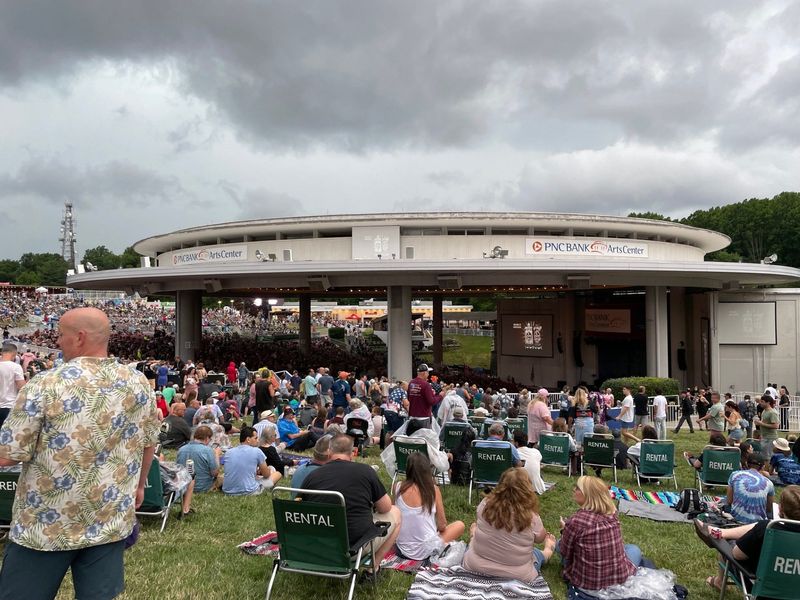
In New Jersey, the PNC Bank Arts Center in Holmdel is actually owned by the New Jersey Turnpike Authority and operated by Live Nation. In Camden, the Freedom Mortgage Pavilion in Camden is owned by the New Jersey Economic Development Authority and also operated by Live Nation.
Live Nation also has to open access to promoters in amphitheaters it owns or operates, and put a 15 percent cap on service fees for tickets to events at the amphitheaters.
The company will also allow other ticketing companies besides Ticketmaster, which it owns, the ability to sell tickets for the venues on the primary market.
Many believe this is a substantial concession by Live Nation.
“A fundamental element of this anti-trust settlement is to create a positive environment for consumers by ensuring competition,” said Terry Camp, a senior Entertainment and Litigation attorney at Marin Goodman LLP of Harrison, N.Y. via email. “There are no guarantees/no ticket price caps … but what’s been wrong has been reasonably corrected and a more free market is a positive thing that should stop some degree of past hurt.”
States pick up the fight against Live Nation in court
Other aren’t so sure. More than 30 states, including New Jersey, are continuing the case, which resumed Monday, March 16. The case continues in the same courtroom with from a law firm hired to represent the remaining states.
“The case against Live Nation is strong, and the state coalition is committed to holding the company accountable for its illegal behavior, protecting consumers, and restoring competition to this market,” said attorney generals from 27 states, including New Jersey AG Jennifer Davenport, on the day of the settlement.
Ticketmaster’s ticket fees were the focal point of testimony when the trial resumed on Monday, March 16. Jay Marciano, chief executive of AEG Presents, testified that Ticketmaster excessively added fees onto the price of 1,372 “platinum” seats that were sold for a Bruce Springsteen concert in Greensboro, N.C.
Platinum seats are dynamically priced based on the demand of the tickets. The added-on fees generated more $240,000 for Ticketmaster on tickets the company sold for the AEG-produced show, according to testimony.
“There’s no way we made $240,000 on Bruce Springsteen that night,” said Marciano, according to the New York Times.
As for the settlement, Judge Arun Subramanian was taken aback when he learned that the Justice Department and Live Nation had secretly been negotiating the settlement while the trial was underway, according to CNN.
“From all sides the parties conduct here strains the bounds of responsible conduct,” Subramanian said.
What changed to bring the two sides together? Perhaps Live Nation’s hiring of Trump ally, and former head of the Trump Kennedy Center, Richard Grenell to its board of directors in May helped move things along.
Subscribe to app.com for the latest on the New Jersey music scene.
Chris Jordan, a Jersey Shore native, covers entertainment and features for the USA Today Network New Jersey. Contact him at cjordan@app.com
This article originally appeared on Asbury Park Press: Why DOJ, Live Nation settlement feels like bad ticket purchase
Reporting by Chris Jordan, Asbury Park Press / Asbury Park Press
USA TODAY Network via Reuters Connect