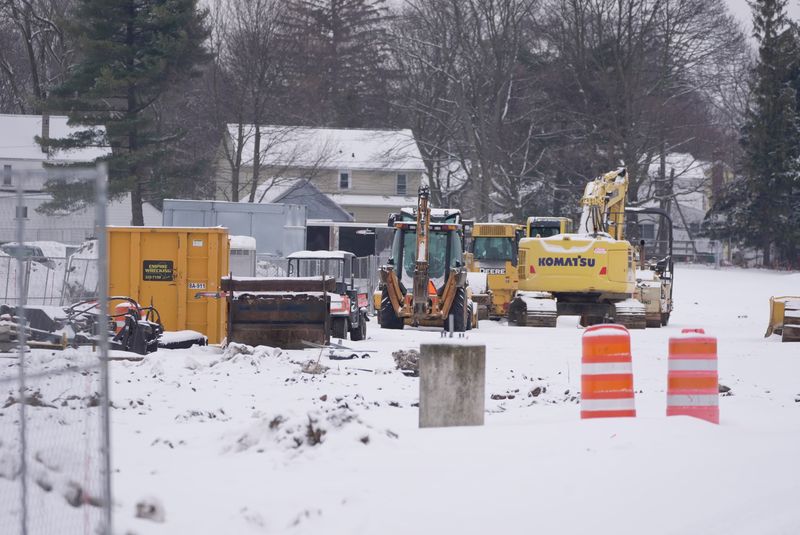
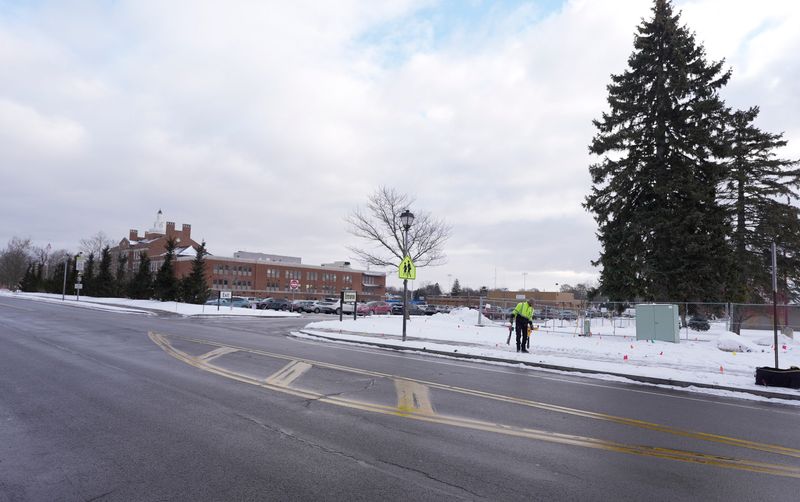
The controversial synthetic turf fields at Brighton High School have hit an unexpected snag — the ground slated for construction is full of old industrial trash laced with lead, mercury, chromium and arsenic above state-approved levels.
As a result, any earth work on the site has been halted under construction and environmental safety protocols. The state Department of Environmental Conservation and Department of Health are now involved and an environmental consulting firm, Terracon, has been retained by the district.

The costs for remediation of the site are expected to be considerable with estimates ranging from $14 million (full removal of the contamination) to grading and covering the contamination (about $3 million) to avoid disturbance.
What was found beneath the site — and what happens next
The historic refuse has been there for more than 100 years — a hallmark from the property’s previous life as a brick factory where clay was excavated. The debris includes ash, cinders, brick, glass, ceramic and metals. It was found in 17 of 20 test pits on the property, between 2.5 and 7 feet below the surface.
While the announcement was made at the school board’s March 24 meeting and spread widely the following day via email, a timeline presented at the meeting showed earth work on the site was halted Jan. 20 and test pits were dug Jan. 28.
District administrators received the testing report from those test pits on Feb. 23 — the day before a public forum where opponents of the synthetic turf field raised environmental and safety concerns over the new playing surface.
The timeline places the discovery of contamination weeks before the issue was publicly discussed.
The state DEC ruled the findings, reported by Terracon, constituted a spill.
Since March 12, the environmental consultant has been working on a site management plan to comply with DEC regulations. The soil will then need to be managed under that approved plan and air monitoring will be required throughout construction for community health.
The stormwater retention plan for the site will also need to change, with an underground chamber system likely to replace the retention basin previously proposed.
“The District is working closely with NYSDEC and NYSDOH to evaluate design modifications that substantially reduce soil disturbance, limit off-site disposal, and manage costs, while fully meeting or exceeding environmental and public health standards. Construction will only resume after regulatory approval of the Site Management Plan,” said Brighton Central School District Superintendent Kevin McGowan in a statement.
It’s the latest twist for a straightforward project: Brighton High School’s varsity softball and baseball teams play games off campus and building new synthetic turf fields adjacent to the school will alleviate that.
Some community members have raised concerns about the project, but site preparation began earlier this winter and contracts are already in place, limiting the district’s options without significant financial or legal consequences.”
There was no palace intrigue involved in the approvals for the synthetic turf fields at Brighton High School. It was included in school district’s capital improvement plan, which was approved by public vote. The district used direct mailers, community forums, email and other forms of outreach on the scope of the $21.9 million in projects, of which the turf field represented about a third of the total budget.
The other projects include:
The projects came with no impact on the local tax levy. All the projects were bundled together for the Feb. 7, 2024 vote, making for a simple yes or no decision for the 805 residents who took part. The measure passed easily, receiving 87% of the vote.
How the discovery of soil contamination will affect the timeline of the project is unknown at this time. The district did point out that the synthetic turf field can be part of the solution, serving as a cap to the contaminated soil.
— Steve Howe reports on suburban growth, development and environment for the Democrat and Chronicle. An RIT graduate, he has covered myriad topics over the years, including public safety, local government, national politics and economic development in New York and Utah.
This article originally appeared on Rochester Democrat and Chronicle: Toxic waste halts Brighton’s high school turf project
Reporting by Steve Howe, Rochester Democrat and Chronicle / Rochester Democrat and Chronicle
USA TODAY Network via Reuters Connect