As many of the readers of this column are aware, I grew up in, attended school, and presently live once more in the Town of Chenango.
My ancestral roots go back to Ira Keeler, who arrived in 1787 and squatted on the land of William Bingham before owning land in what is now the Town of Chenango. He is buried in Kattelville Cemetery which is full of many of my ancestors. I have a vested interest in the Town of Chenango.

The Town of Chenango has a rich and long history. It is one of the four original towns in what is now Broome County.
It was formed in 1791 when Tioga County was split off from Montgomery County. Tioga encompassed all that is Tioga, Chemung, and Broome counties at that time. Chenango Point, the original name of Binghamton, was in the Town of Chenango.
It is difficult to imagine that what was once four towns is now 16 towns, six villages and one city within Broome County. There are countless hamlets and settlements along the way as well.
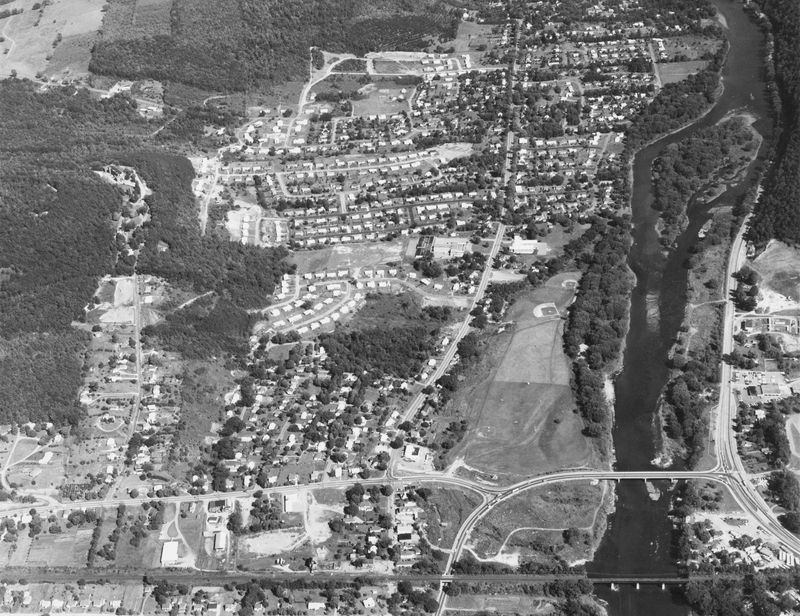
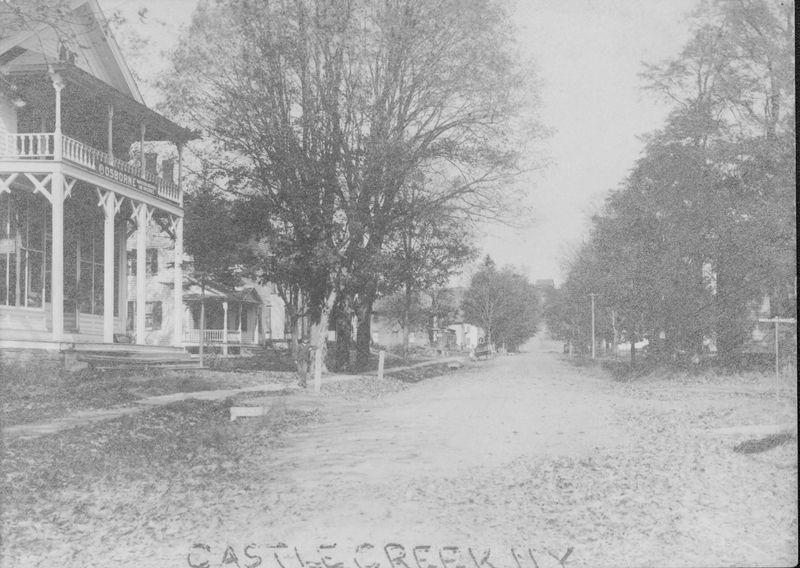
When envisioning the current Town of Chenango, it ranges from the edge of Nimmonsburg (hamlet) on the south to Castle Creek (hamlet) on the west to Chenango Forks (hamlet) on the north and has the Chenango River as its eastern border.
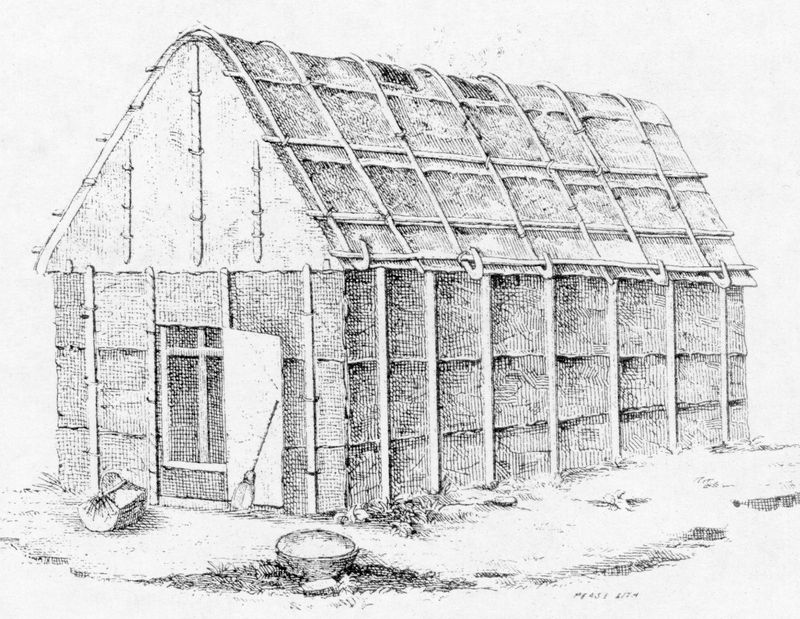
The indigenous settlement known as the Castle Creek site (near present-day Lowe’s) dates to about 1200, with Owasco and Onondaga living in a stockaded village.
European settlers began arriving about 1787 and settling along the riverbanks, carving farmsteads out of the virgin forest and using the Native American trails such as present-day Front Street as their early roads.
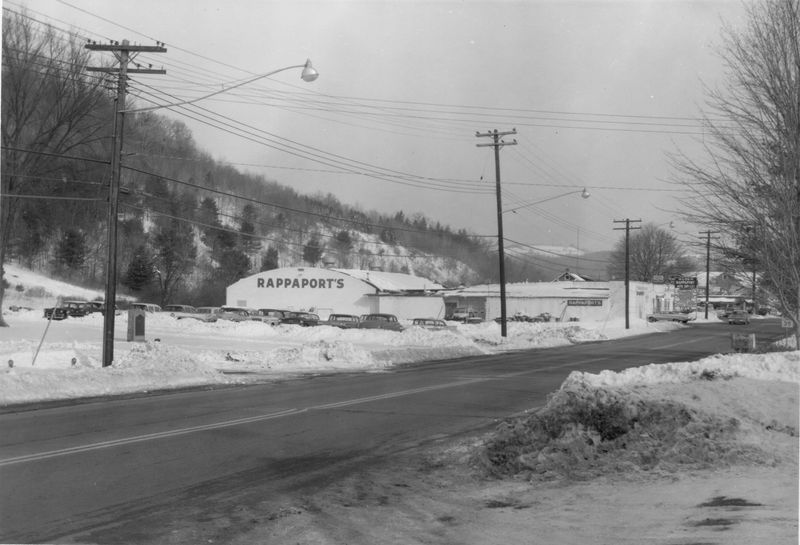
Farming was the main economic factor in most of the town. Small settlements such as Chenango Bridge, Castle Creek, Hinman’s Corners, and Kattelville had a few stores and remained small until the 1960s.
It was at that time that the Interstate Highway system began to increase with the development of I-81, and more commercialism became prevalent along the Front Street corridor.
It was also at this time that much of the town developed into a bedroom community for workers who lived in the town but worked in Binghamton and nearby communities.
Ranch house developments were found in several locations, and by the 1980s, a townhouse development was built at Quinn Estates on former farmland owned by the Quinn family.
Northgate Plaza was a strip plaza built atop a former gravel pit, with nearly every fast-food eatery opening nearby. The Front Street corridor resembled a transplanted Vestal Parkway.
Around the area, however, owners continued to live a quiet, respectful life. Much of the core of the town sits atop an aquifer – an underwater lake that surfaces as a swamp.
Plans to develop land around that area have met with stiff resistance by both the neighboring owners and the DEC. Earlier plans for a strip plaza and, later, fracking, were denied permission to go ahead because of the potential impact on the aquifer.
Now the Town of Chenango government is in the process of creating a new comprehensive plan. It is overdue, but input into the plan is needed.
There are vital issues ahead – the creation of a new sewage/water treatment plant; how much commerce and where it should be allowed; what services are needed to maintain current lifestyle standards and how to pay for them; the role of the two school districts within the town, and many other issues.
They have extended the time to respond to get more responses. I am strongly encouraging my fellow town residents, my former schoolmates, and people who work, live, or have an interest in the town to take this survey. Your response does make a difference.
Take about 10 minutes of your life to go to ChenangoTownPlan.com/#survey and complete the form. The deadlines have been extended.
I want to ensure that everyone’s viewpoint is heard, and not just one organized faction.
For me, the Town of Chenango represents every aspect of the history of our county. From frontier origins to farming to early villages to modern retailing.
It is the home of my ancestors and my family – a good place to live and work. Let’s keep it that way and fill out the survey.
Gerald Smith is executive director of the Tioga County Historical Society and a former Broome County historian. Email him at historysmiths@stny.rr.com.
This article originally appeared on Binghamton Press & Sun-Bulletin: Lifelong Chenango resident urges input on town’s future
Reporting by Gerald Smith, Special to the Press & Sun-Bulletin / Binghamton Press & Sun-Bulletin
USA TODAY Network via Reuters Connect
By Gerald Smith, Special to the Press & Sun-Bulletin | USA TODAY Network