Eleven students at Anne M Dorner Middle School in Ossining were sickened after eating gummies that looked like candy. School staff were baffled and called an ambulance to the scene, finding out later that the gummies were cannabis edibles containing THC.
At the same time, other New York schools were warning parents some drinks resembling energy drinks or sodas are actually flavored alcoholic beverages containing as much alcohol as several beers in a single can.

The alarming cases, which unfolded in the 2023-24 school year, underscored how drug and alcohol products marketed in ways that appeal to young people are making their way into schools, fueling more incidents involving student drug and alcohol use.
Lower Hudson Valley educators cited the normalization of cannabis use, deceptive packaging, peer pressure, stress and anxiety as contributing factors.
How much has drug and alcohol use increased in Westchester schools?
In the 2023-24 school year, Westchester public schools reported 594 cases involving drug or alcohol use, possession or sales, accounting for 39% of the 1,523 incidents logged overall, according to a report from the state Comptroller’s Office using the most recent statewide data.
The rate of drug and alcohol related incidents in Westchester schools increased from 3 incidents per 1,000 students in the 2017-18 school year to 4 per 1,000 students in 2023-24.
Among Westchester school districts with enrollment over 500 students, the highest rates of drug or alcohol related incidents per 1,000 students in the 2023-24 school year were White Plains (about 10 incidents per 1,000) Hendrick Hudson (10) and Ossining (8).
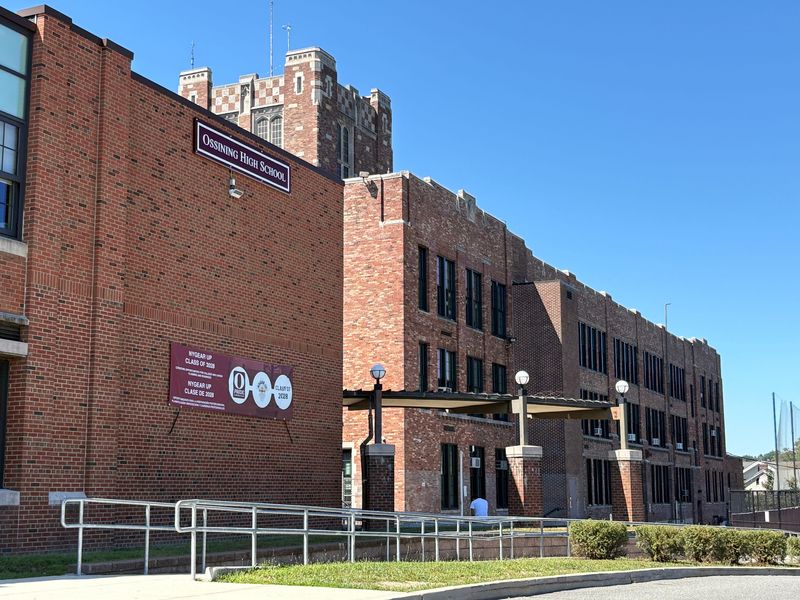
Ossining Superintendent Mary Fox-Alter said the normalization of drug and alcohol use poses a serious threat to students and has worsened youth mental health challenges. The district, which had 4,929 students, reported 42 drug or alcohol related incidents in the 2023-24 school year, including 11 tied to the THC gummies case alone.
“It directly disrupts critical brain development and fuels the rise of adolescent mental health challenges like anxiety and depression,” Fox-Alter said.
Schools have installed vape detectors, invested in screening devices and provided counseling and treatment services for students involved in the incidents. They have also taken a proactive approach by starting conversations as early as elementary school and engaging parents and community businesses and organizations. In some cases, drug and alcohol use can signal deeper issues, from stress to addiction.
Vaping, THC products in Westchester schools
The increase in incidents in Westchester schools also reflects a statewide pattern. In New York, drug and alcohol incident rates rose from 2.6 per 1,000 students in 2017-18 to 3.8 in 2023-24.
Schools have long tried to curb student drug and alcohol use. While the substances have shifted from beer and cigarettes to vaping products, flavored alcohol drinks and THC-infused edibles, schools’ zero-tolerance stance has remained unchanged.
The causes range from novelty, adolescent impulsivity and peer pressure to deeper mental health challenges, including the anxiety and depression many young people have been grappling with. Educators also pointed to the normalization of drug use in society, which they say has reshaped how students perceive the issue. Deceptive packaging can also make these products seem less dangerous than they are.
According to a 2014 University of Michigan study, about 70% of young people will have tried alcohol by the time they are seniors in high school; 50% will have taken an illegal drug, and more than 20% will have used a prescription drug for nonmedical purposes. More recent research released in 2025 also raised concerns about many cannabis users getting behind the wheels of cars, USA TODAY reported.
White Plains Superintendent Joseph Ricca said the district investigates every case thoroughly and tries to identify the root cause, whether it’s anxiety, stress or addiction. The district recorded 69 drug or alcohol incidents among its 6,742 students in the 2023-24 school year.
“The goal is to make sure every child has a great school experience but also develops healthy life habits,” Ricca said. “No matter where you are and where you come from, drugs and alcohol can be a devastating substance that becomes addictive and ultimately has a negative impact on your life trajectory.”
Schools involve families and community to prevent access to substances
Schools have launched a holistic approach aimed at involving students, parents and community in preventing access to substances and addressing related factors.
Education about the danger of drug and alcohol and the consequence of using them has been integrated into the curriculum for students as young as kindergarteners. In some districts, clinical staff have been placed in every school building, along with drug counselors in middle and high schools.
To address the intersection of substance abuse and mental health, schools have also adopted specialized teacher training and peer-led advocacy.
Parents are encouraged to have short, frequent conversations at home to set expectations and boundaries. The goal is to make students feel comfortable asking questions and turing to their parents for advice.
A survey of Ossining secondary school students found that one in five middle and high schoolers said their parents have not set clear rules about drug and alcohol, and two of five said they have never talked with their parents about the topic.
For students involved in related incidents, schools may impose disciplinary consequences while also working with students and parents to provide support, including counseling and diversion services.
To address the normalization in society, some school officials are also advocating for a protective zone to limit students’ exposure to such products near schools or involve local businesses in the efforts.
“Think about a child walking to school one day and passing a store where they see THC gummies for sale, with a marijuana dispensary next door and a convenient store selling vapes. Think about how that registers in a child’s brain. It normalizes all of that,” Fox-Alter said.
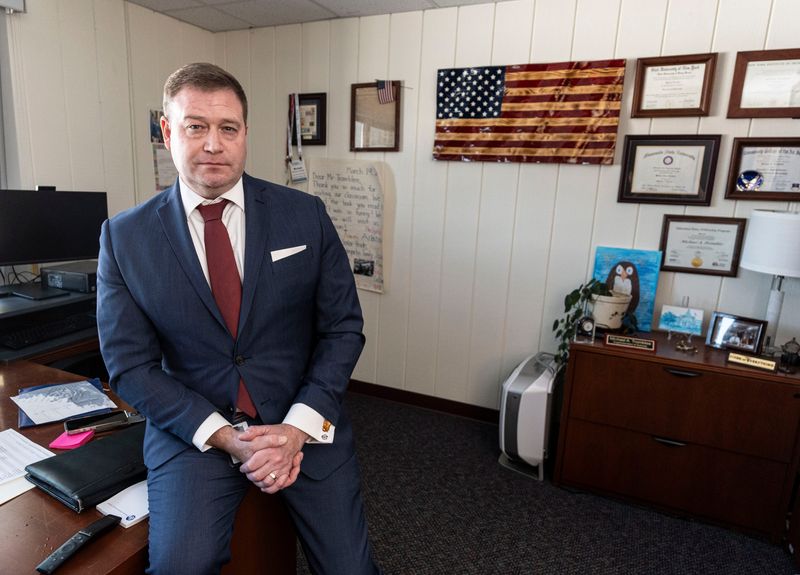
In Hendrick Hudson, a district serving 2,229 students, 18 incidents were reported in 2023-24. Superintendent Michael Tromblee said the district has reached out to retailers, vape shops, convenience stores and dispensaries in the community to raise concerns about underage access and encourage responsible practices that help protect young people.
These efforts from community engagement to identifying incidents and providing support services have paid off, he added, with reported cases in the district dropping to eight in 2024-25.
Underreporting and differences in reporting practices may contribute to disparities
Some districts also questioned disparities in reporting standards that may account for differences among districts.
Tromblee said incident counts can sometimes reflect differences in reporting practices as much as differences in underlying behaviors, and a proactive approach may contribute to statistical comparisons that may not fully capture those differences across districts.
“Hendrick Hudson has chosen to err on the side of transparency and intervention. Our priority is intervention with individual students and maintaining a healthy environment for all students,” he said. “Greater transparency, which we believe provides a more accurate picture of the challenges schools face, is a byproduct of that proactive stance. We believe that approach creates opportunities to support students before issues escalate.”
Helu Wang covers economic growth, real estate and education for The Journal News/lohud and USA Today Network. Reach her at hwang@gannett.com and follow her @helu.wangny on Instagram.
This article originally appeared on Rockland/Westchester Journal News: How much drug use is there in Westchester schools? See the numbers
Reporting by Helu Wang, Rockland/Westchester Journal News / Rockland/Westchester Journal News
USA TODAY Network via Reuters Connect
By Helu Wang, Rockland/Westchester Journal News | USA TODAY Network