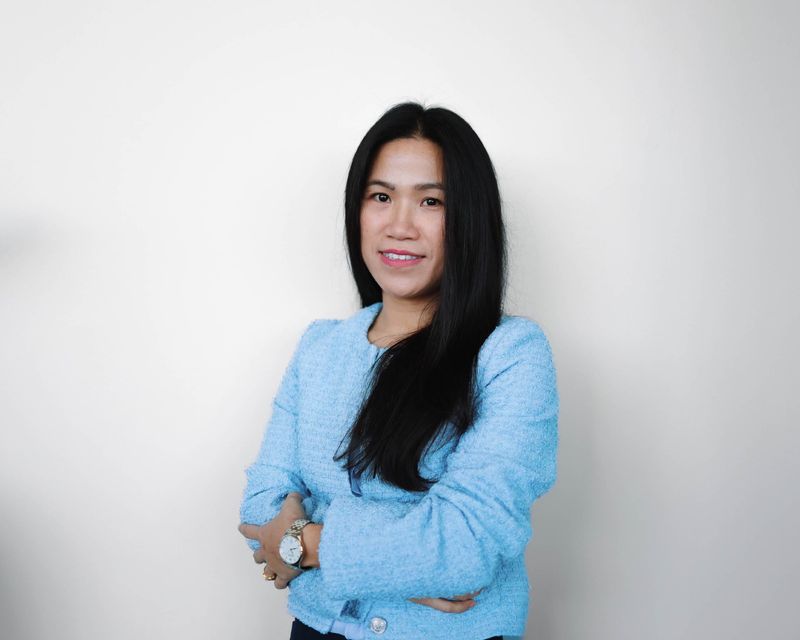
When Abigail Sui arrived in Iowa in 2013, she was half a world away from the civil unrest that forced her to flee Myanmar.
She left at 16, crossed into India, studied while undocumented, then moved to Malaysia, where she worked with the United Nations Refugee Agency, helping displaced families.

“I arrived in the U.S. as a refugee myself,” Sui said. “My journey has always been about serving refugee communities.”
Over a decade later, that lifetime of experience has come full circle.
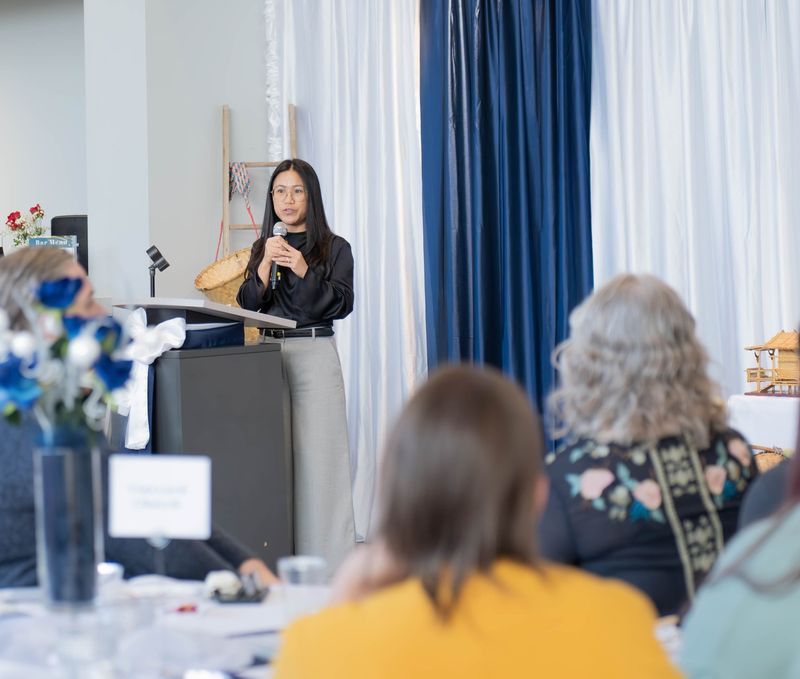
Sui, 40, now leads the Ethnic Minorities of Burma Advocacy and Resource Center, Iowa’s first refugee-led organization, which has grown from three staff members into a statewide network serving families across Des Moines, Waterloo, Ottumwa and beyond.
The organization helps thousands of refugees from Myanmar-Burmese communities navigate issues often difficult to access without language or cultural support, including parenting, education, domestic violence, substance abuse, paperwork and basic needs like food and health care.
Even as executive director, Sui remains closely involved.
When families going through divorce were required to complete a court-mandated “Children in the Middle” parenting course without interpreters, Sui and EMBARC pushed for change, securing court approval in March 2023 and training advocates to offer the course in Burmese languages at no cost.
Sui, who speaks seven languages, also worked with Iowa State University Extension and Outreach to introduce early language and literacy training for refugee mothers.
Under her leadership, EMBARC has built culturally specific food pantries and partnered with providers such as Broadlawns Medical Center to bring care directly into communities.
Sui said gaps for refugees are growing.
“Jobs available for our refugee families have been really tough,” she said. “Since the end of 2024 until now, we have applied for over 6,500 job applications, and only 35% of people got a job.”
At the same time, new restrictions have limited access to public assistance programs such as SNAP and Medicaid for many families, increasing pressure on EMBARC’s services.
In response, the organization expanded its food pantry to twice a month and launched digital literacy programs to help families navigate online job applications and avoid scams.
Growing up as part of the Chin minority in Myanmar, Sui said discrimination shaped her early life.
“It made me feel that no matter what skills I had, I would never be able to use them because of who I am,” she said. “I was a 16-year-old girl looking for a future. I crossed the river, walked, took buses and trains, and got to India.”
She lived undocumented for much of her life and worked multiple jobs to get by.
“I worked as a housekeeper, going door to door to earn money” she said. “I lived with about 20 people in one apartment, sleeping in the living room.”
Those experiences, she said, continue to shape her work.
“If I don’t speak up, who else is going to do it?” she said. “I may not be able to solve everything, but I can make sure people hear what is happening.”
For Sui, the goal is not just to provide services, but to push for systems that treat people fairly.
“It doesn’t matter what color you are, we are all human and should have equal opportunities,” she said. “We should open doors for one another, not discriminate.”
EMBARC will host its “Experience EMBARC: Community in Bloom” event on June 4, featuring cultural performances, Burmese cuisine and the release of its 2025 annual report. Details are available on the organization’s website.
Nick El Hajj is a reporter at the Register. He can be reached at nelhajj@gannett.com. Follow him on X at @nick_el_hajj.
This article originally appeared on Des Moines Register: Refugee turned leader builds lifeline for Iowa’s newest communities
Reporting by Nick El Hajj, Des Moines Register / Des Moines Register
USA TODAY Network via Reuters Connect