Heaven can keep its pennies, as far as one convenience store chain is concerned.
Kwik Star and Kwik Trip locations are phasing out pennies in change, rounding cash transactions to the nearest nickel “in the guest’s favor,” according to a news release. The move comes as the Trump administration prepares to stop producing the coppery coins.

La Crosse, Wisconsin-based Kwik Trip — known as Kwik Star in Iowa and other states where it competes with the similarly named QuikTrip chain — made the announcement in response to President Donald Trump’s February decision that the U.S. Treasury Department will stop making pennies.
Only Congress can actually eliminate a form of currency, and a bill to ditch the penny has been introduced. Meanwhile, the Treasury in May placed its last order, at least for now. for the blank discs used to make the coins.
Kwik Trip and Kwik Star operate more than 900 convenience stores across Illinois, Minnesota, Michigan and South Dakota, as well as in Iowa and Wisconsin.
Though cash transactions will be rounded down, credit, debit and digital transactions “will remain unaffected and continue to be processed at the exact purchase amount,” the company said in its news release.
“At Kwik Trip, we’re committed to making everyday transactions simple and fair,” Kwik Trip/Kwik Star CEO Scott Zietlow said in the release, adding, “We apologize for any confusion this may create for our guests.”
A Kwik Star spokesperson did not respond to a request for comment.
Why are retailers eliminating penny use?
Pennies actually cost around 3 cents each to make, and for decades their usefulness has been questioned.
The history of the penny goes back to 1787, when Congress authorized production of a copper coin called the Fugio cent. According to an online history at the Treasury website, the coins featured a sundial on the obverse and a chain with 13 links — equal to the number of American colonies — on the reverse.
Five years later, the original penny was replaced with a larger coin that featured a depiction in profile of a goddess-like Liberty, along with her name. When it debuted, its inflation-adjusted value was equivalent to about 32 cents in today’s currency.
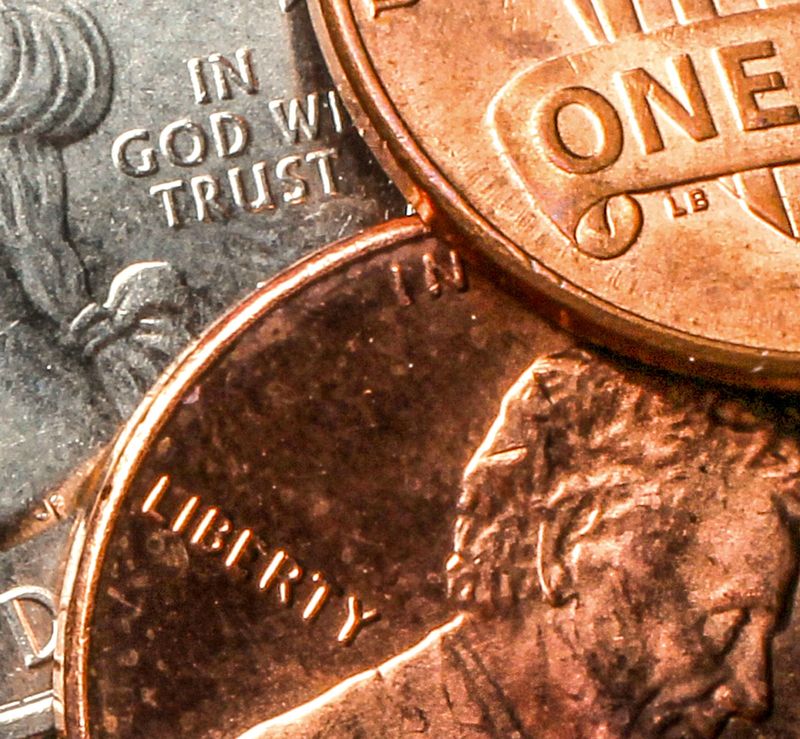
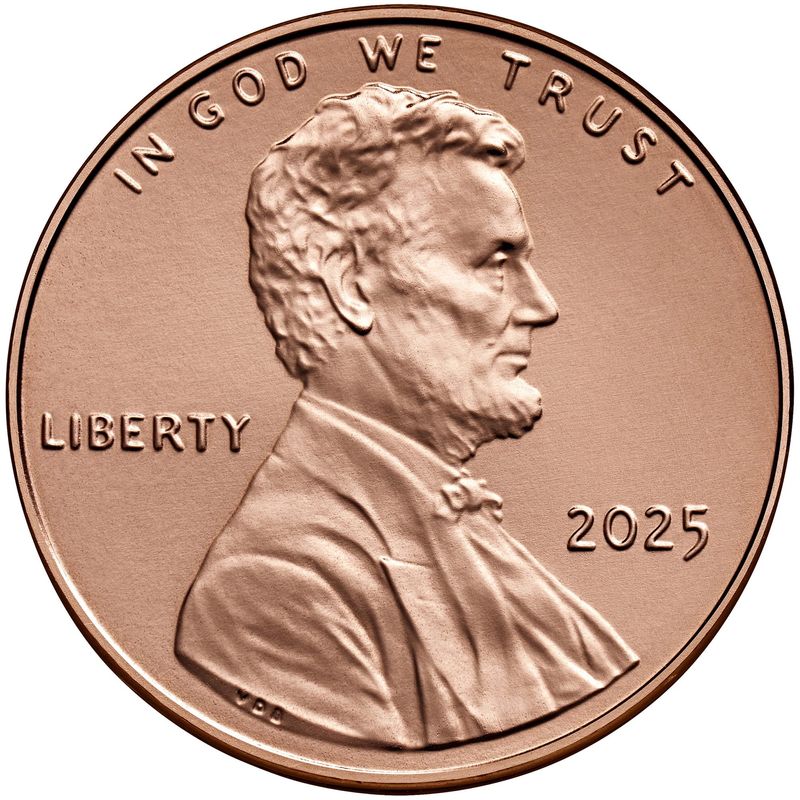
The familiar Lincoln penny, bearing a profile of President Abraham Lincoln, debuted in 1909, and although the copper color remains, the coin is in fact zinc plated with copper.
Supporters of the penny have argued that it helps keep consumer prices lower and is a source of income to charities, which collect the easy-to-part-with pocket change in donations and redeem them by the thousands. But for many Americans, the coin has become a nuisance, piling up unused. YouTube is full of videos of people dumping pennies onto sidewalks only for passersby to ignore them rather than pick them up.
In January the Department of Government Efficiency said producing pennies in fiscal year 2023 cost taxpayers more than $179 million.
The rising production cost has spurred other countries to eliminate small-denomination coins. Canada stopped making pennies in 2012. But pennies remain in circulation and can still be used. Australia stopped circulating 1- and 2-cent coins 1992.
Other small-denomination coins may also soon be on the chopping block. In 2024 a nickels cost 13.78 cents to produce, according to a U.S. Mint report.
The Treasury plans to put its final batch of pennies into circulation in early 2026.
A June survey by the National Association of Convenience Stores found that eliminating the use of pennies could save retailers 2 to 2.5 seconds per transaction. With an average of 52 million cash transactions at convenience stores each day, that could save the equivalent of three years of production time daily.
The survey also found that more than twice as many consumers favored getting rid of pennies than keeping them.
In its news release Kwik Star said that it is awaiting permanent guidance from governmental leaders as penny production stops.
“Kwik Trip will continue this approach until a permanent legislative solution has been enacted,” the release said.
Reuters and USA Today contributed to this article.
Philip Joens covers public safety, retail and real estate for the Des Moines Register. He can be reached at 515-284-8184 or pjoens@registermedia.com.
This article originally appeared on Des Moines Register: Kwik Star decides pennies just aren’t worth it. Why?
Reporting by Philip Joens, Des Moines Register / Des Moines Register
USA TODAY Network via Reuters Connect