NOTE TO READERS: District Judge Adria Kester released this statement to news media on July 14 through an attorney. She also announced she was ending a legal effort to block access to some records about her operating while intoxicated arrest in November 2025.
On Nov. 4, 2025, I was arrested for operating a vehicle while intoxicated. I made several mistakes that night, most seriously that I chose to get behind the wheel. I endangered myself and other people. I am forever grateful to the strangers who saw danger, called for help, and stayed to help prevent something worse from happening. I will regret my decision for the rest of my life. I pleaded guilty, accepted responsibility, and completed every requirement imposed by the court.

For more than 25 years, I have had the privilege of serving the people of Iowa as a public defender, prosecutor, and judge, including years presiding over a treatment court. I understand that wearing a judicial robe means more than applying the law correctly ― it means earning the public’s trust every day. My actions that night fell short of that responsibility, and I am deeply sorry to the people I served, to my colleagues, and to everyone who expected better judgment from someone entrusted with that office.
Public trust matters, and accountability matters, especially for judges.
Because I am a public figure, there have understandably been public inquiries into the details of my arrest.
However, I have decided to stop trying to keep the records of my arrest from public view. I cannot ask others to be accountable while trying to decide which parts of my own story people are allowed to see. Releasing those records does not mean every question about that night has been answered, including questions I continue to work through with my physicians. It simply means I believe the public should have access to them. Some of those records may capture me at my very worst. I cannot change that, and I am no longer trying to.
Accountability requires facing the harm you caused directly and honestly. Over a few months, accountability gave way to something else: shame. I stopped seeing myself as a person who had made a terrible mistake and started believing I was nothing more than that mistake.
Throughout my career, I worked with people who believed the worst thing they had ever done would define the rest of their lives. I often ended those hearings with the same message:
“This is one chapter in your book. It is not the end of your story. Turn the page. Start a new one.”
Months after my arrest, someone I knew through treatment court reached out to me. They asked me a question I wasn’t expecting.
“Why aren’t you practicing what you preached?”
And I realized that person was absolutely right.
Judges spend much of their careers helping other people solve problems. I had spent years telling people that asking for help, whether for addiction, depression, anxiety, trauma, or any of the burdens that bring people into court, was not a sign of weakness. We are accustomed to being the person others turn to, not the person asking for support.
Admitting that I needed help was one of the hardest ― and most important ― lessons. I am very grateful for the support of my family, friends, and colleagues through this difficult time.
I cannot rewrite the chapter that brought me here. I will forever regret my actions on Nov. 4, 2025. I don’t know all the future professional and personal consequences my actions will carry ― those are not up to me.
This is one chapter. It is not the end of my story. I am turning the page and starting a new one.
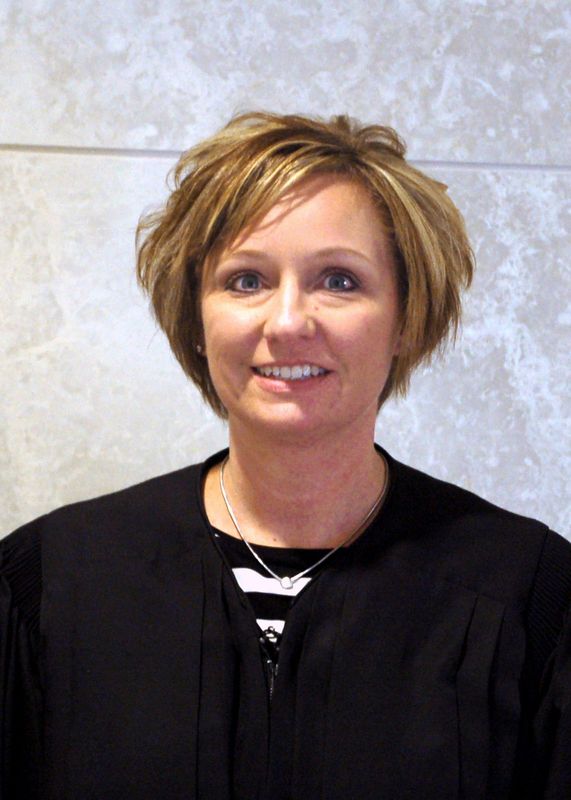
Adria Kester was appointed a district judge in 2017.
This article originally appeared on Des Moines Register: Iowa judge explains her actions after OWI arrest | Opinion
Reporting by Adria Kester, Guest columnist / Des Moines Register
USA TODAY Network via Reuters Connect
By Adria Kester, Guest columnist | USA TODAY Network