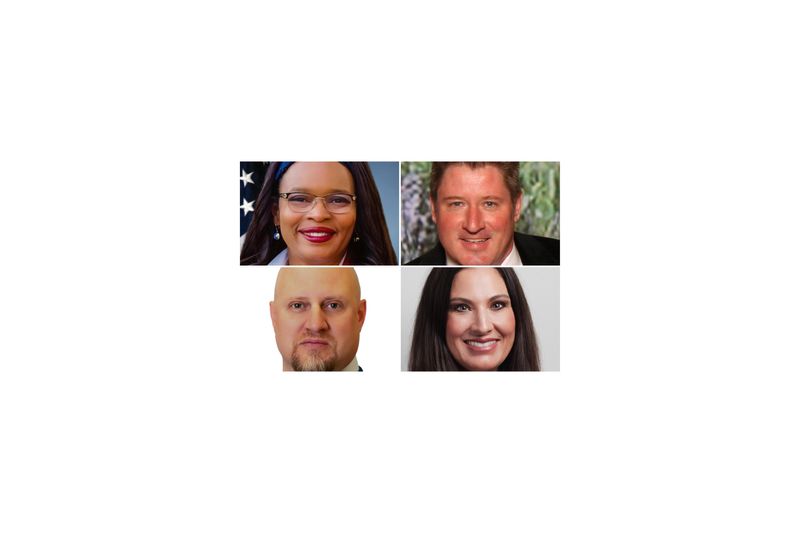
Three Republicans and a Democrat will be on the June 2 primary ballot for Iowa House District 43.
Republicans Nicole Hasso, Brett Nelson and Russell E. Saffell, and Democrat Jill Alesch, are seeking to represent the district, which includes Johnston and parts of Urbandale and Saylorville.

The district’s current, third-term Republican Rep. Eddie Andrews is running to be Iowa’s next governor.
To help voters, the Des Moines Register sent questions to all federal and Des Moines area legislative candidates running for political office this year. Their answers have been lightly edited for length and clarity.
Click below to see learn more about the candidates and where they stand on key issues:
| Bios | Top issue | Education | Taxes | Cancer rates | Eminent domain | Budget deficits |
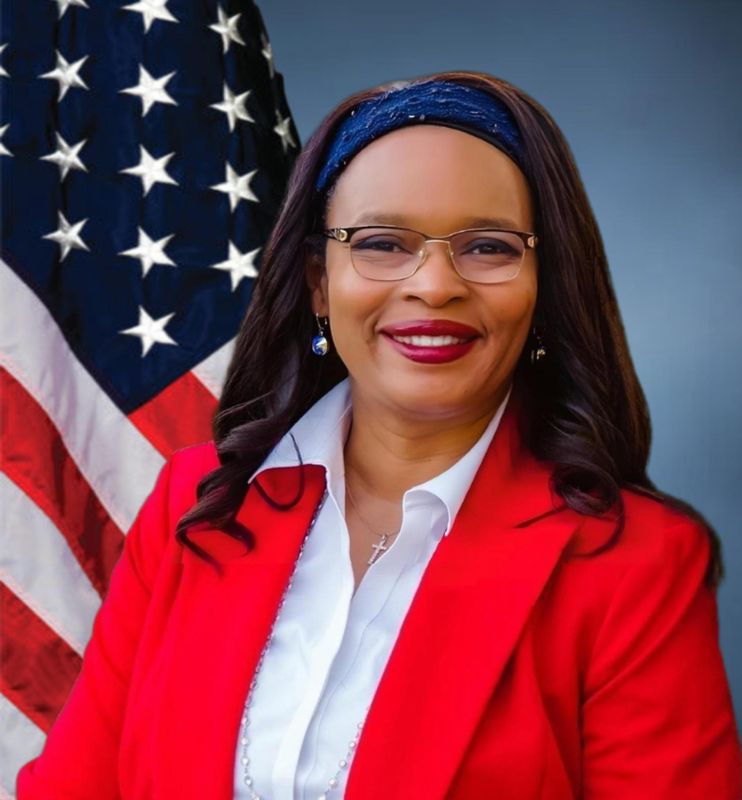
Who is Jill Alesch?
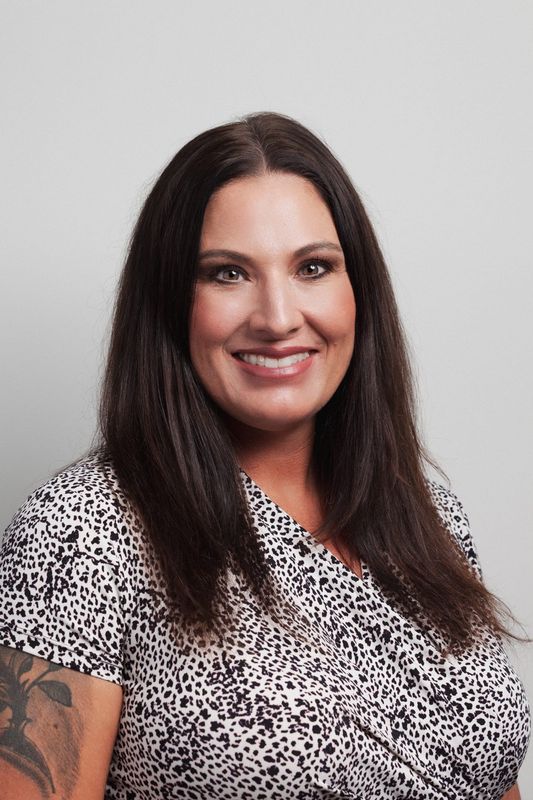
Who is Nicole Hasso?
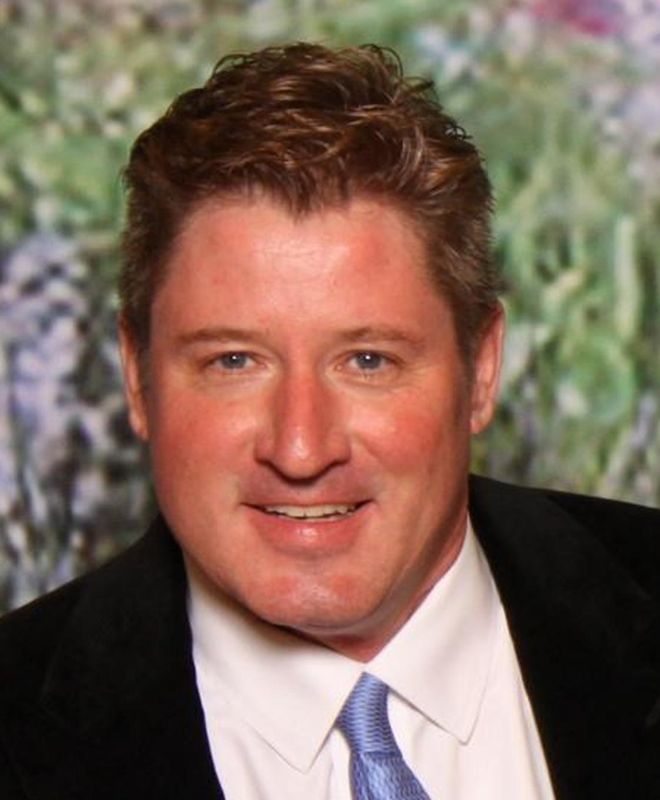
Who is Brett Nelson?
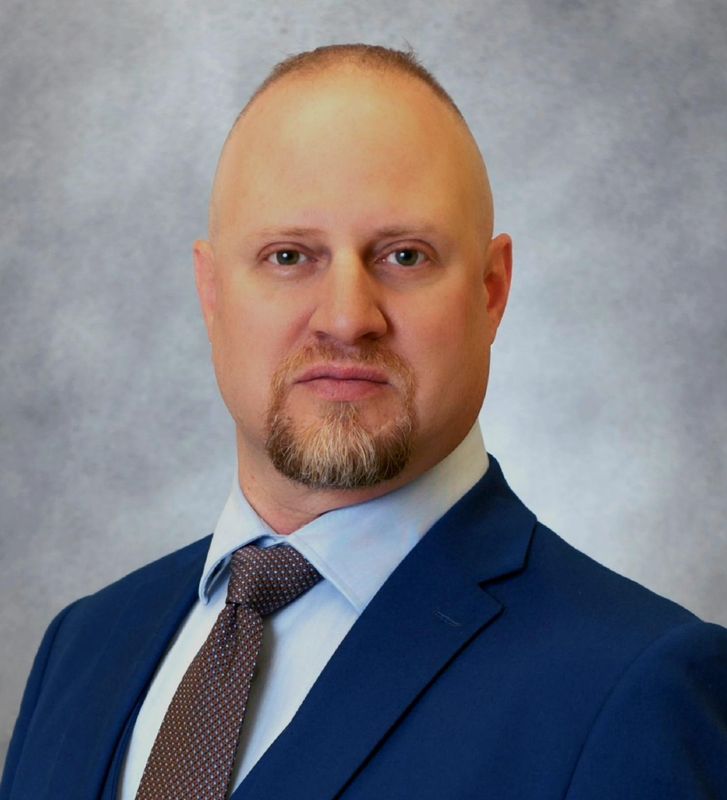
Who is Russell E. Saffell?
What would be your top issue if elected?
Alesch (D): My top priority if elected will be strengthening and expanding Iowa’s middle class. Iowans work hard, yet too many families are struggling to keep up with rising costs. While a state legislator can’t control federal inflation or interest rates, we can take meaningful steps to make Iowa a place where working families can build a high quality of life. If we want to keep and attract working people, we must pursue policies that ensure they can get ahead here — not fall behind. That means making housing and childcare more affordable, while also strengthening wages, benefits, and worker protections.
Hasso (R): The economy is the top issue. As a financial adviser, I see too many families feeling the squeeze as inflation erodes Iowans’ purchasing power, making it hard to afford basic necessities. We will make Iowa more affordable by providing property tax relief and reducing childcare costs. We will stimulate economic activity by creating incentives to energize small businesses. We will also grow our workforce by drawing top employers to Iowa and ensuring they stay, which will boost job opportunities and economic growth. Iowa families win with lower taxes, lower childcare costs and better jobs.
Nelson (R): Iowa government spending: I’m talking about big government spending and the waste of public tax dollars. The midterms confirmed that people are starting to wake up. I’m actually hopeful. If we are smart and keep our eye on the ball, we’ll figure it out. We have no choice. We’re all in this together. Iowa has taken steps to limit the growth of spending, yet a lot depends on the growth of the state’s economy and the tax system. Needed: 1. A sustained increase in revenues, 2. Consistent increases in efficiency and effectiveness, 3. Ongoing lowering of operational expenses.
Saffell (R): If elected as your state representative, my top priority will be restoring fiscal discipline and ensuring that Iowa’s government lives within its means. I will work to eliminate wasteful spending, increase transparency, and protect taxpayer dollars through responsible budgeting. By focusing on sustainable economic policy and reducing unnecessary burdens on families and businesses, I aim to strengthen our state’s financial future while preserving the freedoms and opportunities that make Iowa a great place to live and work.
What policies would you support to improve Iowa’s education system?
Hasso (R): Education is the largest expenditure in the state budget. How we spend that money is the critical question. Recruiting and retaining the best teachers is a good investment that will pay dividends. For students, funding early childhood development is crucial, as is reinforcing the fundamentals of reading, writing, math and science at every grade level. STEM education should be prioritized and fully integrated into our classrooms, so students are prepared for college and the modern workforce. Parental involvement remains essential for student and institutional success and should be embraced.
Nelson (R): There are already state level initiatives like Education Savings Accounts for school choice, Area Education Agencies providing special education and media services, and target programs like Gear Up Iowa for college readiness. I stand for strengthening teacher support and enhancing reading and math skills.We must also foster real world skills through internships. What truly helps kids are safer streets, and neighborhoods, prosperous businesses, good jobs, good schools, access to affordable health care, secure borders, strong marriages and families.
Saffell (R): I support policies that prioritize student success, parental involvement and local control in education. I will advocate for increased transparency in curriculum, expanded school choice options, and accountability in how education funding is used. By empowering parents, supporting teachers and ensuring resources are directed to the classroom, we can improve outcomes. I also believe in strengthening career and technical education pathways to better prepare students for both higher education and the workforce.
Alesch (D): I would support increasing funding for public education in a way that keeps pace with inflation, so schools have the resources they need to provide a high-quality education for every student. I also believe we should ensure strong accountability for any program that uses public dollars. That includes reviewing the private school voucher program with an emphasis on transparency, responsible use of funds and appropriate eligibility standards. If taxpayer dollars are supporting private education, there should be clear expectations to ensure those funds are used effectively.
Do you support Iowa’s recent tax policy changes, including lowering income taxes, and what additional tax law changes would you support?
Nelson (R): I support Iowa’s recent tax policy changes, including lowering income taxes. I also support the continued effort to lower property taxes for all. Especially lower rates for seniors with no mortgage within limits of value. Moving forward from the progressive tax to a flat tax system is a plus. Iowa is not immune to any future global economic storms, yet I will continue to support lowing taxes for families and job creators. We do not have a license to spend recklessly. Tax breaks must be conducive to productivity and hinge on participation and results.
Saffell (R): I strongly support Iowa’s recent tax reforms, including lowering income tax rates to provide meaningful relief to individuals and families. Allowing Iowans to keep more of what they earn strengthens our economy and encourages growth. Building on this progress, I would support further simplifying the tax code, reducing the overall tax burden and identifying responsible ways to continue lowering rates. My focus will remain on ensuring tax policy is fair, competitive and sustainable while prioritizing disciplined spending.
Alesch (D): I support responsible tax relief that benefits Iowa’s middle-class families. Recent tax changes have disproportionately favored the wealthiest Iowans while raising concerns about long-term impacts on the budget. I do not support tax cuts that come at the expense of essential services like public safety. Any changes to our tax code should be sustainable, fiscally responsible and focused on helping everyday Iowans. I would support targeted tax policies that provide meaningful relief to middle-income families, while ensuring the state can continue to invest in services and communities.
Hasso (R): Iowa has made significant progress with our tax policy. Continued tax relief will help secure the financial future of Iowa’s families, seniors, small businesses, and family farms. By prioritizing property tax reform, we can keep more money in the pockets of hard‑working Iowans, help seniors remain in their homes, and ensure small businesses can keep their doors open and their communities strong.
What actions would you support to address Iowa’s high cancer rates?
Saffell (R): Iowa’s high cancer rates demand serious, focused action. I will support increased investment in research to better understand contributing factors, including environmental and agricultural exposures. I will advocate for expanded access to early detection and screening, as well as policies that promote prevention and public awareness. Strengthening partnerships between healthcare providers, researchers, and communities will be essential. My goal is to pursue data-driven solutions that reduce risk, improve outcomes, and protect the long-term health of Iowans.
Alesch (D): Addressing Iowa’s high cancer rates requires a science-driven approach. I would support increased investment in research so we can better understand the causes and identify effective solutions. I also believe we should incentivize sustainable agriculture practices and invest in soil and water health. I want to be clear that farmers are essential partners in this work. I would support policies that provide resources and incentives to help farmers adopt conservation practices, ensuring they can be part of the solution while continuing to succeed economically.
Hasso (R): Iowa’s cancer rates are a public health crisis. Like many Iowans, I have lost loved ones to cancer, so this is very personal to me. We have to consider the factors driving our elevated rates, including water quality and other environmental concerns. Partnering with our farmers to encourage farming practices that reduce the impact to our environment is an important first step. We also need a renewed commitment to cancer research, including improved detection methods, more effective treatments and expanded access to early screening.
Nelson (R): I’m dedicated to partnering with communities, organizations and private groups to create sustainable solutions on Iowa’s lakes, rivers and streams. We must establish funding, monitoring and oversight systems. The voluntary systems are no longer sustainable for progress. This will establish the clarification and role of all participants. By pursuing the route, stewardship must be sold in a positive way. State regulations need to focus on all water actually or designed for drinking use weather from above ground or underground sources.
When do you believe it is appropriate to use eminent domain, and should it be used to build carbon capture pipelines?
Alesch (D): Property rights are fundamental, and eminent domain must be used sparingly and meet a high standard of public benefit and necessity. With respect to carbon capture pipelines, eminent domain should only be considered if a project serves multiple users and provides a broader public benefit, rather than advancing the interests of a single company. This ensures that any use of eminent domain is tied to a legitimate public purpose, not just private gain. Any proposal must also include strong transparency, landowner protections, and clear evidence that the project serves Iowa’s long-term interests.
Hasso (R): Appropriate use of eminent domain includes projects that truly serve the public good. Examples include schools, highways, utilities and parks. I agree with Iowa landowners who view the carbon capture pipeline as an abuse of eminent domain by a private corporation. Eminent domain should never be used for private gain. That’s why I strongly support landowners, and I will fight to protect private property and stop eminent domain abuse in our state.
Nelson (R): Eminent domain is the government’s legal power to take private property for public use not for private investors. I do not believe eminent domain is an option to build carbon capture pipelines on private property without approval. This is a hotly contested issue. Developers argue that they serve the public by reducing emissions. Opponents and some courts argue they primarily benefit private and for profit companies leading to varied state level restrictions and legal challenges regarding land acquisitions.
Saffell (R): I firmly believe that government should never have the right to take anyone’s private property for any reason, epecially for private industry or projects like carbon capture pipelines. Property rights are absolute, and no citizen should be forced to surrender their land under threat of government action. I will fight to uphold this principle and protect Iowans from any misuse of power that infringes on their ownership, liberty, and the fundamental freedoms guaranteed by our Constitution.
How would you remedy Iowa’s budget deficits driven by lost revenue? Are there certain services you would prioritize for cuts?
Hasso (R): In Iowa, we put taxpayers first. We keep more of Iowans’ hard-earned money in their pockets, where it belongs. Just as Iowa families must balance their budgets, so must the state government. This includes exercising fiscal responsibility and discipline in spending. We must attract and retain top employers, so Iowans have access to good-paying jobs. This strengthens our workforce, increases state revenue and keeps more young people here in Iowa — building their futures, raising families and contributing to a strong economy.
Nelson (R): Provide incentives for companies to come to Iowa. Showcase how companies can improve a return on investment in Iowa. We can drive profitability by establishing customer relationships providing increases in efficiencies and effectiveness. Iowa can assist on lowering operational expenses with less overhead costs. Any other combination including tax incentives will offer positive effects on the top, middle and bottom line for economic growth. Iowa is a place to grow.
Saffell (R): To address Iowa’s budget deficits caused by lost revenue, I would implement disciplined spending, focusing first on eliminating waste and inefficiency. I would prioritize maintaining core functions like public safety, education and essential health programs while carefully reviewing nonessential services for reductions or elimination. I would also target new opportunities for commerce, as we cannot cut our way to prosperity. My goal is to balance the budget without raising taxes, ensuring responsible stewardship of taxpayer dollars, maintaining a solid financial foundation for the future.
Alesch (D): Iowa’s budget should be addressed with a balanced, responsible approach. I would grow the economy by supporting small- and medium-sized businesses, which are the backbone of our communities. That means creating a stable, predictable business climate, investing in workforce development, and ensuring entrepreneurs have the tools they need to succeed. Before considering cuts, I would prioritize improving efficiency in government. That includes consolidating services where it makes sense, reducing duplication and making sure taxpayer dollars are being used effectively.
Read more about all the midterm candidates at: https://www.desmoinesregister.com/news/elections/.
This article originally appeared on Des Moines Register: Iowa House District 43 candidates on cancer rates, eminent domain
Reporting by Phillip Sitter, Des Moines Register / Des Moines Register
USA TODAY Network via Reuters Connect