A group in Indy is using nature itself to protect local waters from pollution.
The Marion County Soil and Water Conservation District is using money from a federal grant to plant rain gardens near a key waterway to guard against so-called nonpoint source pollution, which can include chemicals, herbicides, bacteria and many other contaminants.

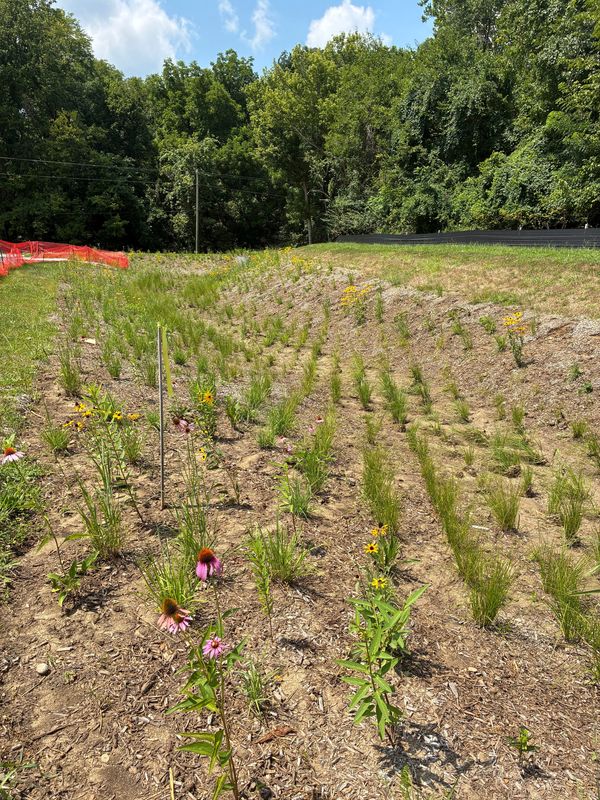
Rain gardens consist of shallow basins often placed on a downward slope and planted with native species that have deep roots. The gardens are designed to slow the flow of stormwater as it heads to rivers and streams, absorbing some of the pollution the water carries. This unique landscaping practice also protects areas from flooding and provides habitat for native pollinators.
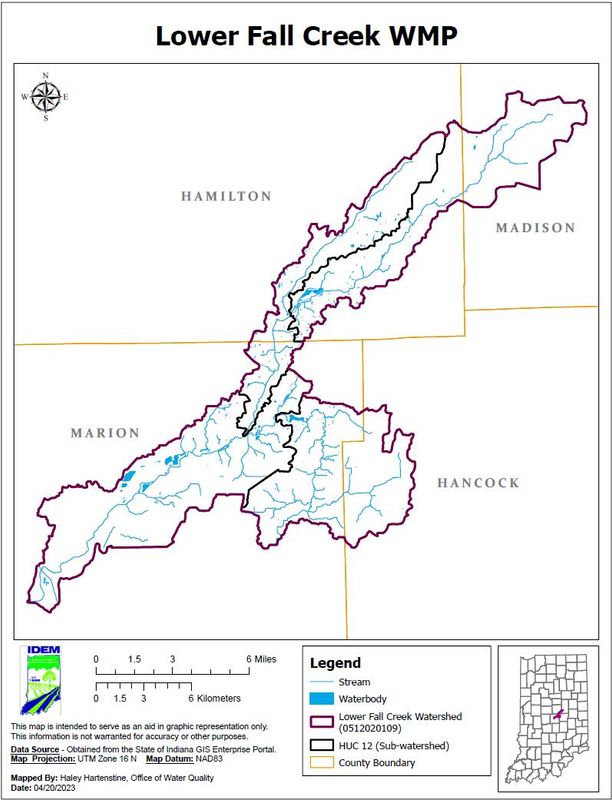
The initiative is part of a plan to protect the lower Fall Creek watershed that begins in Madison County and travels southwest into Hamilton, Marion and Hancock counties. Stormwater in the watershed drains through about 66,000 acres as the water runs through creeks and streams attached to Fall Creek.
All that moving water can pick up a variety of pollutants along the way. The main pollutants along the lower Fall Creek area are sediment from construction sites and stream bank erosion, as well as nutrients like nitrogen and phosphorus and bacteria like E. coli, said the district’s executive director, John Hazlett.
“Rain gardens utilize native plants with very deep, extensive root systems,” Hazlett said. “This promotes infiltration of stormwater into the ground, so rather than letting stormwater run off and carry pollutants into Fall Creek and its tributaries, the rain gardens keep stormwater out of the waterways.”
To date, the district has funded and built around 35,000 square feet of rain gardens in fields at two project areas: a Habitat for Humanity housing development on East 46th Street near Millersville Road, and St. Richard’s Episcopal School at the intersection of 32nd and Meridian streets.
The federal grant, administered by the Indiana Department of Environmental Management, awarded the district $197,000 for a three-year implementation plan that includes these gardens and stabilizing shorelines to reduce erosion. The goal, Hazlett said, is to build about 50,000 square feet of rain gardens. The group is about two-thirds of the way to its goal.
The ultimate goal is to reduce pollution entering Fall Creek within 10 years. Hazlett said the district hopes to see sediment reduced by 30% annually, nitrogen pollution reduced by 75%, phosphorus by 83% and bacteria pollution cut in half.
Rain gardens mimic the way the natural world normally cleanses and holds water, Hazlett said. They are considered green infrastructure, as opposed to other engineering methods such as concrete levees or dams normally called gray infrastructure.
The district includes smaller rain gardens on individual residential lots in its plan and is working with homeowners to get those built to reach the 50,000-square-foot goal. Each residential rain garden will be around 200-300 square feet.
Building a rain garden at home
While the district’s grant money is for areas within the lower Fall Creek watershed, Marion County residents who want to plant their own rain gardens can access the district’s website for information on building a garden on their property.
The website, as well as a handout, include the best types of native plants to use, how to size and design the garden, installation techniques and other topics to help a DIY approach.
Some rain gardens installed in publicly accessible places let residents check out what they look like. The Glass Barn at the Indiana State Fair has one such example. The district also occasionally offers rain garden tours throughout the city where homeowners show off their own creations.
More information on rain gardens can be found on the district’s website at marionswcd.org.
Karl Schneider is an IndyStar environment reporter. You can reach him at karl.schneider@indystar.com. Follow him on BlueSky or Twitter @karlstartswithk
IndyStar’s environmental reporting project is made possible through the generous support of the nonprofit Nina Mason Pulliam Charitable Trust.
This article originally appeared on Indianapolis Star: These unique gardens help protect Indy’s water quality
Reporting by Karl Schneider, Indianapolis Star / Indianapolis Star
USA TODAY Network via Reuters Connect
By Karl Schneider, Indianapolis Star | USA TODAY Network