Indiana Senate Republican incumbents and their primary challengers are doing an unusual amount of negative campaigning this year. That’s a major strategic mistake.
President Donald Trump pressured state senators to pass mid-cycle congressional redistricting. When a majority of them voted down the new maps, Trump threatened to endorse primary challengers. Pro-redistricting organizations are now spending millions against incumbents on his behalf.

That extreme pressure has led incumbents to engage in the kinds of attacks they condemned a few months ago.
Incumbents have an advantage. So why play dirty?
Incumbents win Statehouse primary and general elections nearly 100% of the time, especially when they focus on their track record and connection to their district. Many raise massive war chests that should be enough to fend off any challenger.
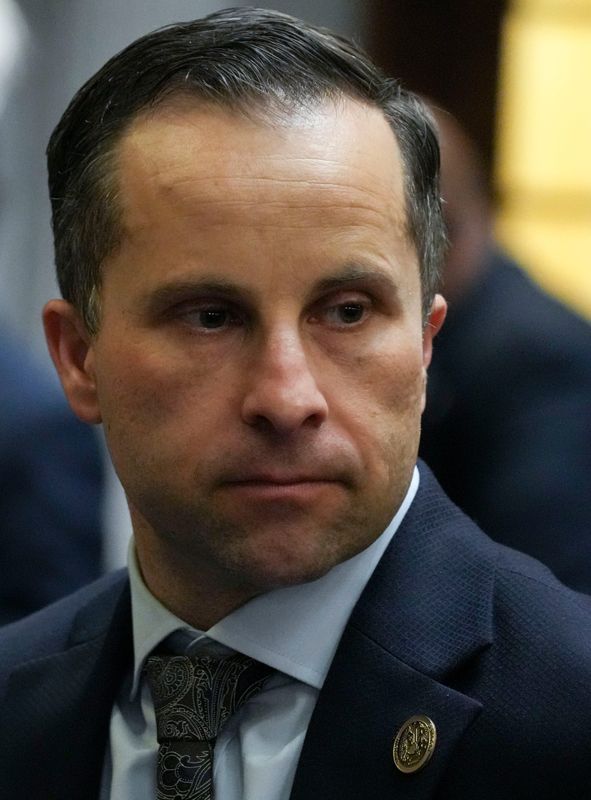
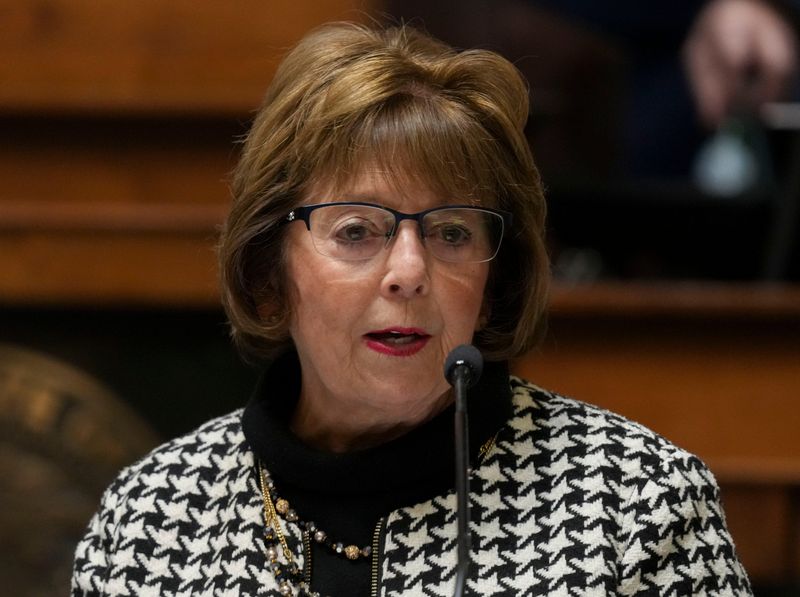
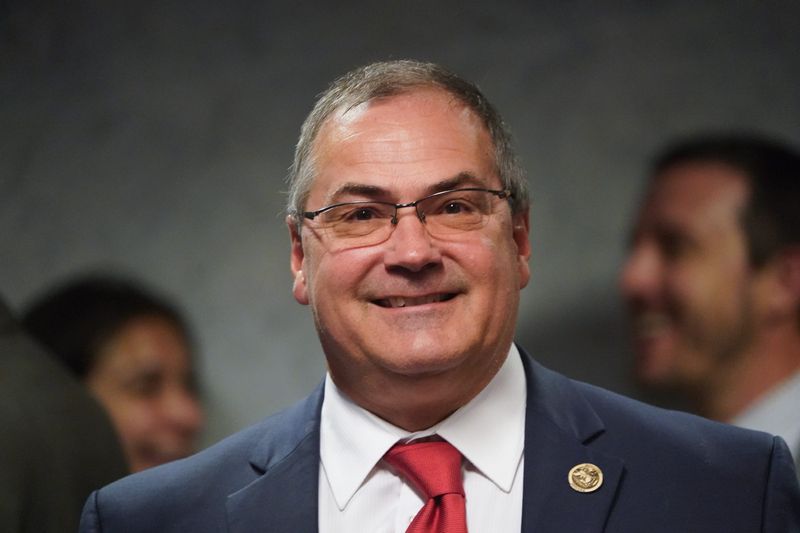
That hasn’t stopped state Sens. Spencer Deery, R-West Lafayette, Linda Rogers, R-Granger, and Dan Dernulc, R-Highland, from making personal attacks on their opponents — misleading ones in some cases.
Deery accused his primary challenger, Paula Copenhaver, of stealing $120,000 from a business she worked for in 2006. The case was a civil dispute. While she and her ex-husband were held jointly liable, his ad framed it as straightforward theft.
Deery also accused Copenhaver of letting Democrats run in Republican primaries while serving as Fountain County GOP chair — part of a conspiracy to “put solar plants on our farms.” The ad made it seem like Copenhaver supported solar farms. In reality, the candidate she allegedly allowed on the ballot was anti-solar, as is Copenhaver herself.
The anti-solar candidate ran against Fountain County Commissioner KW Rice, whom Deery’s spokesperson says had “alleged associations with a solar project.” Rice endorsed Deery.
Meanwhile, Rogers accused her primary challenger, Brian Schmutzler, of being aligned with “woke medical groups supporting childhood sex changes.” That seems to be a reference to Schmutzler’s affiliation with the American Medical Association, the largest professional association for physicians. Membership allows physicians to access professional development and training opportunities.
Dernulc took a similar approach toward a primary challenger but kept more distance from the attacks. A campaign survey sent to residents of his district accused his opponent, Trevor De Vries, of “having a long history working in leadership for woke companies who celebrate radical DEI policies.” Campaign finance records show the Senate Majority Campaign Committee paid for survey research in his district.
De Vries is a principal at HUB International, an insurance company.
Primary challengers focus on attacks
Primary challengers who entered their races to defeat opponents of early redistricting aren’t running on that issue. Perhaps that’s because only a slim majority of Republican voters supported redistricting. Instead, their ads have focused more on attacking opponents for issues like gas taxes.
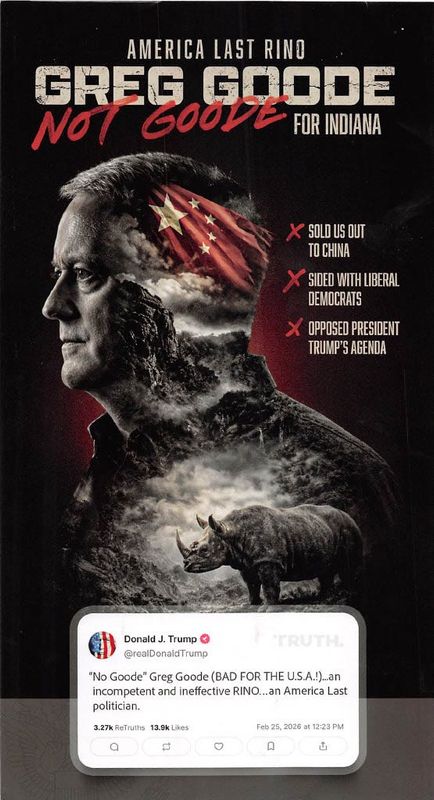
Primary campaigns have also spread the lie that incumbents including Deery and Rogers, alongside Sens. Greg Goode, R-Terre Haute, and Jim Buck, R-Kokomo, “sold us out to China.” They suggested each had voted to allow China to buy farmland in Indiana.
Their ads cited the incumbents’ support for House Enrolled Act 1183, which did the opposite. All of those incumbents also voted for an even stronger law this year, Senate Enrolled Act 256, which restricted Chinese ownership of land altogether with one narrow exception.
Supporters of Brenda Wilson, who is running against Goode, also levied an intense legal challenge against her other opponent, Alexandra Wilson, based on an expunged misdemeanor charge from 15 years ago.
Negative campaigning will backfire
Dirty campaigning can promote distrust in all politicians and alienate voters. It also relies on an us vs. them mentality that is less strategic when candidates are fighting within a single party.
The rift exposed by party infighting will benefit the Democratic Party regardless of whether incumbents hold onto their seats or their primary challengers take them. Dernulc, for example, faced a Democratic incumbent in 2022 and won by less than five percentage points. His seat is extremely competitive.
Negative campaign messaging during the primary election might make Republican voters stay home during the general election. Even worse, a lot of good people are going to avoid politics altogether after seeing how toxic it can be.
Politics is supposed to be about public service. Especially at a local level, it often means sacrificing more lucrative opportunities. No one will want to do it if it means dealing with constant character assassination and lies from members of their own party.
Contact Jacob Stewart at 317-444-4683 or jacob.stewart@indystar.com. Follow him on X, Instagram, Facebook and TikTok.
This article originally appeared on Indianapolis Star: Republican Senate primaries turned nasty. It will backfire. | Opinion
Reporting by Jacob Stewart, Indianapolis Star / Indianapolis Star
USA TODAY Network via Reuters Connect