There’s good and bad news for avid skywatchers this month.
If you’re a fan of gazing up at the full moon, skies around the Tri-State this weekend should be mostly clear. The moon’s brightness is a problem, however, if you’ve been waiting in earnest for the height of the Perseid meteor shower.

It peaks the night of Aug. 12 into the morning of Aug. 13. With the moon still relatively full, viewing conditions won’t be ideal. Fainter meteors will be difficult to spot, according to NASA.
Here’s what we know.
When is the full moon in August 2025?
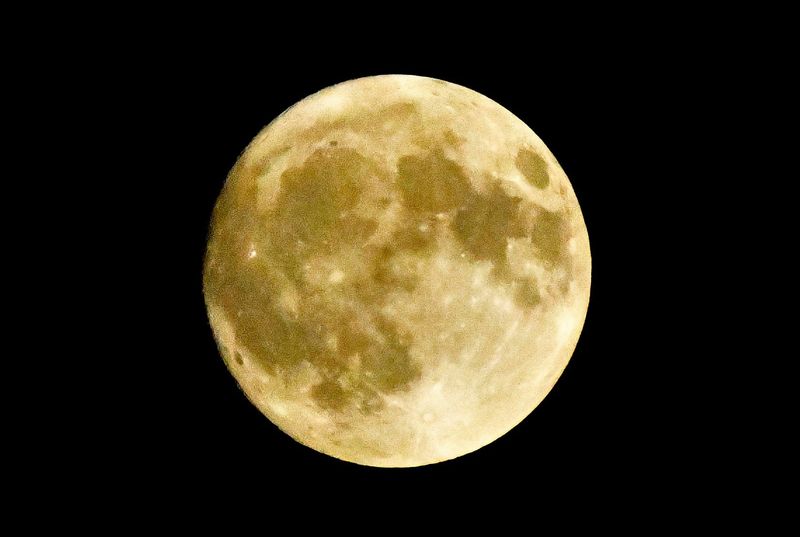
Saturday, Aug. 9, is when the full Sturgeon Moon swims across the heavens to reach peak illumination, according to NASA. The moon’s phases in August are:
Story continues after photo gallery.
Will skies be clear in South Bend during the full moon?
Yes, skies around the South Bend area are expected to be mostly clear Saturday night with a low around 71, according to the National Weather Service.
What time is the full moon in August 2025 for South Bend?
According to the Old Farmer’s Almanac, moonrise for the South Bend area will happen by roughly 9:22 p.m. Saturday, Aug. 9, crossing the meridian at 1:50 a.m. before setting at 6:54 a.m.
You can check moonrise and moonset times for your zip code by visiting the Old Farmer’s Almanac online.
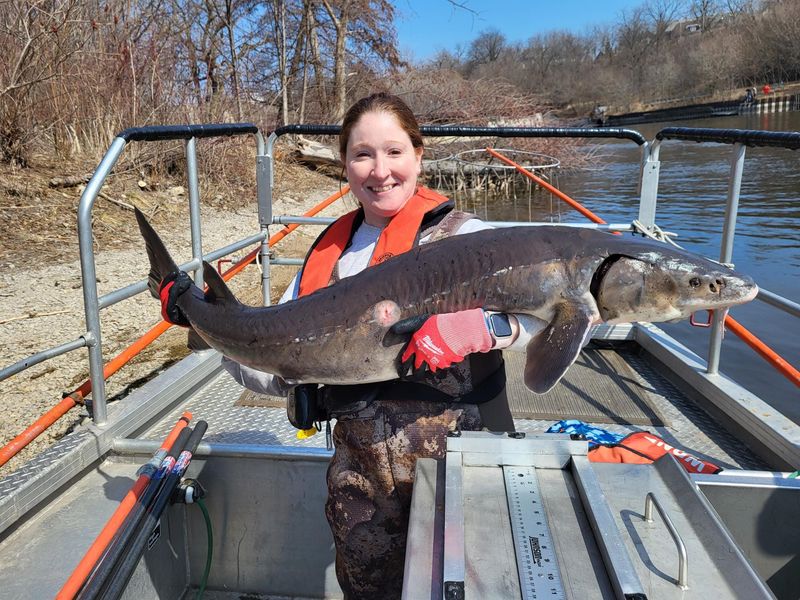
Why is it called the Sturgeon Moon?
Native American tribes around the Great Lakes region and Lake Champlain were said to catch plenty of freshwater sturgeon around August, according to the Old Farmer’s Almanac.
Some species of sturgeon can grow to massive sizes, such as the one found in British Columbia in 2022 believed to be 10 feet long and weighing close to 600 pounds.
Other names for August’s full moon
Other names for August’s full moon from Native American tribes include the Black Cherries Moon, Corn Moon, and Mountain Shadows Moon.
The Perseid meteor shower peaks in August. What is it?
For starters, when rocks or other debris enter Earth’s atmosphere at a high rate of speed, they often burn up. These fireballs or “shooting stars” are called meteors.
The Perseid meteor shower happens every year when the Earth passes through a cloud of debris left behind by the Comet Swift-Tuttle. Perseid meteors tend to leave long “wakes” of light, writes NASA, as they streak across the sky.
When is the best time of year to watch the Perseid meteor shower?
The meteor shower is active from July through September and its peak activity will happen Aug. 12-13 in the Northern Hemisphere this year, according to the American Meteor Society.
When the weather cooperates, you should be able to spot dozens, if not hundreds, of meteors every night.
Experts recommend you do the following to get the most out of the experience:
If possible, head to Beverly Shores, near Gary, which is an International Dark Sky location and therefore an excellent place for stargazing. You can also travel to Kemil Beach at Indiana Dunes State Park and Dr. T.K. Lawless County Park in Michigan, which also are designated dark sky locations, according to DarkSky International.
What part of the night sky are the Perseid meteors?
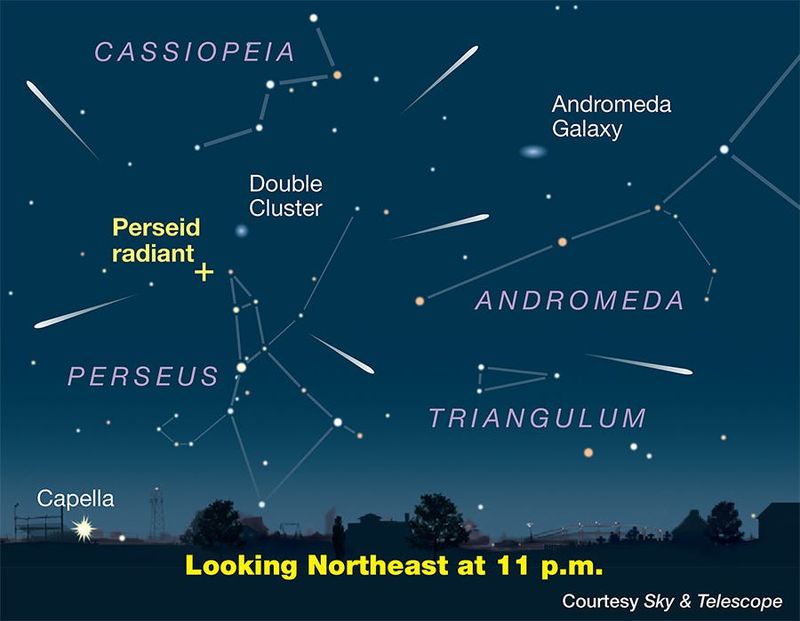
Look up into the night sky and find what experts call “the radiant” — the point where the Perseids appear most frequently. In this case, it’s the constellation Perseus, which begins to rise at roughly 11 p.m., writes Space.com.
Where to look to see the Perseid meteor shower
Look north toward the Perseus constellation, which will be under the W-shaped constellation of Cassiopeia. It never sets below the horizon and is visible year-round in the Northern Hemisphere.
Need help finding stars, planets and constellations? Try these free astronomy apps
The following free astronomy apps can help you locate stars, planets, and constellations.
Astronomical events happening in August 2025, per NASA
If you plan to observe the sky this month, writes NASA, keep the following dates in mind:
When is the full moon in September 2025?
The full Corn or Harvest Moon should reach peak illumination by Sunday, Sept. 7, 2025.
John Tufts covers trending news for IndyStar and Midwest Connect. Send him a news tip at JTufts@Gannett.com. Find him on BlueSky at JohnWritesStuff.
Jane Fosberry Enos of the South Bend Tribune contributed to this report.
This article originally appeared on Indianapolis Star: August’s full moon could spell trouble for watching the Perseid meteor shower
Reporting by John Tufts, Indianapolis Star / Indianapolis Star
USA TODAY Network via Reuters Connect