SPRINGFIELD, IL – Kathy Kauffman Smith delivers thousands of peanut butter and jelly sandwiches each month food pantries across the Springfield area.
Smith says the number her trips to the pantries and the number of PB&J sandwiches she’s delivering has increased since the start of the year.

Rising food costs and changes to the Supplemental Nutritional Assistance Program (SNAP) earlier this year from President Trump’s One Big Beautiful Bill Act have left people across the country, including Illinois and Springfield turning to micro pantries and food banks for answers.
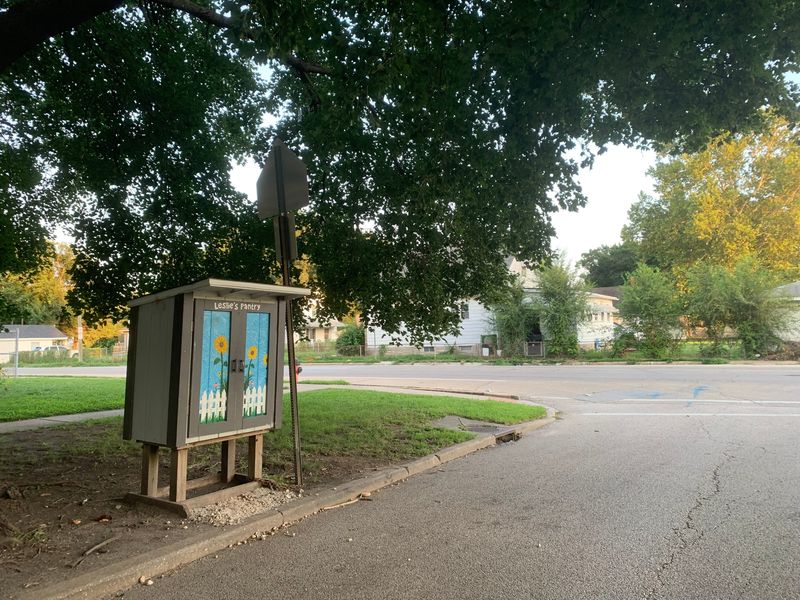
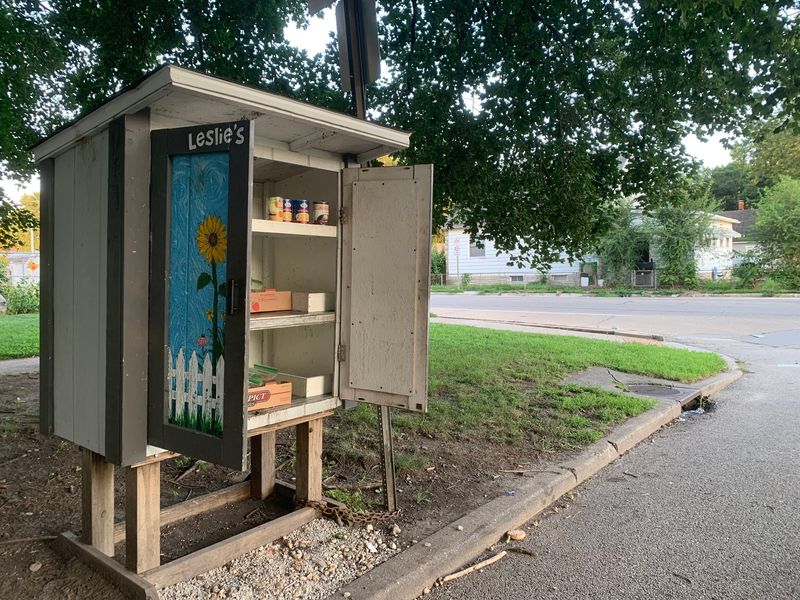
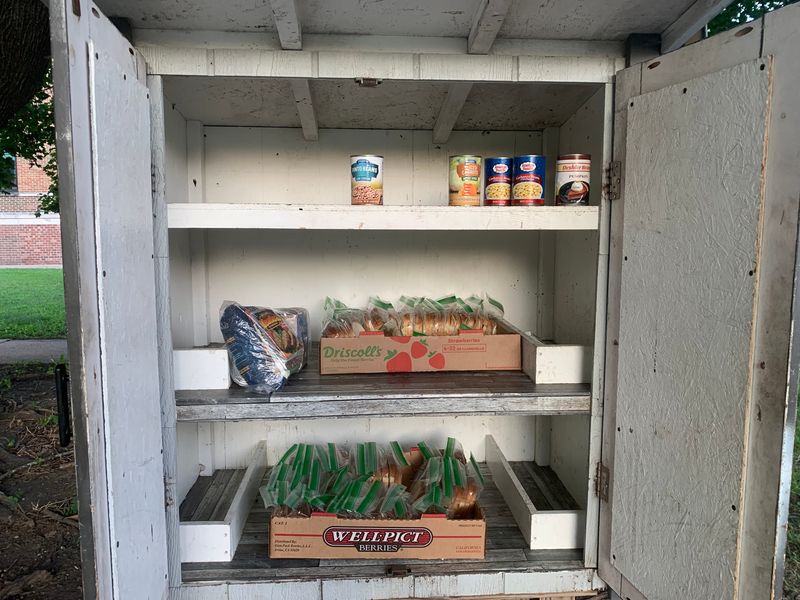
There are 47 micro pantries in the Springfield area relying on donations to help feed families. Food pantries like Leslie’s Pantry, outside of Iles Elementary School, are key community-supported food stations with access to free shelf stable food at any time of day.
Springfield Park District President Leslie Sgro, who the Iles pantry is named after, says the micro pantries provide more than food. They provide access without shame, for many children or parents who may feel the stigma of going to a soup kitchen or can’t go during working hours.
“There are lots of charities that give away food but are only open during certain hours,” Sgro said. “There are limitations. What if it’s eight o’clock at night and you have nothing to feed your kids?”
It’s been six months since the first set of changes to SNAP took effect, and now, local food pantries and officials are sounding the alarm on sustainability moving forward.
‘We are limited’
Under new changes to SNAP, parents and caregivers of dependent children were previously exempt from work clauses if a child in the household was under 18; that age has gone down now, and only applies if the youngest child in the house is under 14. Parents, including single parent households, of children between the age of 15 to 18 are no longer exempt from the work requirements.
Work requirements require “able-bodied adults” up to 64 from 54 on the SNAP program to either work, volunteer, or be in training for at least 20 hours a week to keep benefits.
In latest state filings from July, nearly 150,000 Illinoisans have lost SNAP benefits due to the SNAP changes, according to the Illinois Department of Human Services.
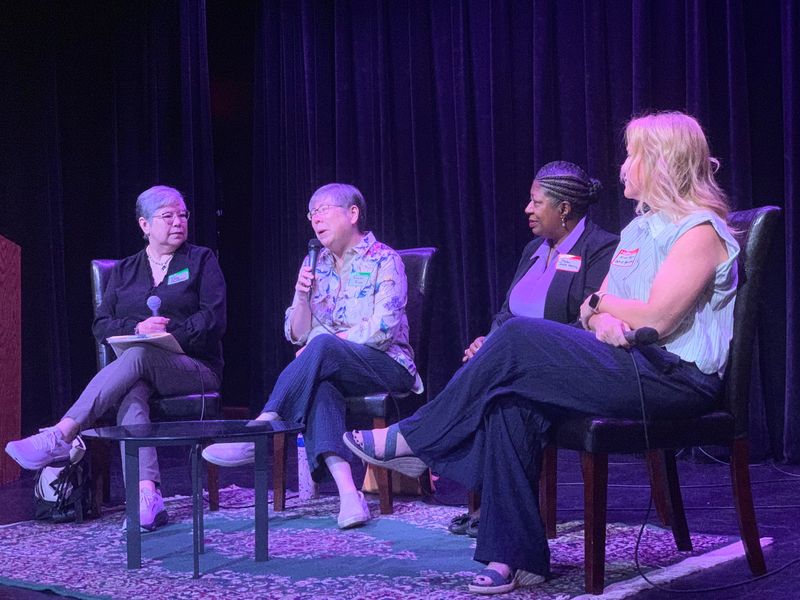
Pam Molitoris, executive director of the Central Illinois Food Bank, outlined in a panel with the Springfield Citizens Club July 24 with Table of Life, Kumler Ministries and the Illinois Department of Agriculture that the food bank does distributions across 21 counties and this summer, they have almost always run out of food and had to turn people away.
“We cannot absorb (the federal government’s cut), we are one meal to every nine meals provided by SNAP,” Molitoris said. “We are feverishly fundraising and talking to the board about the need to provide grants, but in reality, we are limited.”
Community run, community used
Local micro pantries, like Leslie’s, still need to be filled and rely on community support, especially children and people living in rural areas.
“Work requirements have a pretty profound affect for folks in rural communities because think about how far they have to drive,” Molitoris said. “Are there opportunities, are there places they can get jobs? Being aware of that we decided we wanted to do more out in rural areas (with holiday drives).”
Sgro understands budgets are tight for everyone but suggests adding two cans of food from the grocery store to your cart to donate. Sgro also recommends looking in cupboards for unused hygiene products like toothbrushes, pads and diapers, since these items are not covered by SNAP.
A full list of locally accessible pantries can be found on the Rooted In Springfield webpage.
“The good news is there is an informal group of us to fill pantries and chip in,” Sgro said. “It’s summertime, so school lunches have stopped. There are programs, but if you can’t get there your kid isn’t getting that food.”
Maintaing SNAP in Illinois
For the first time in SNAP’s history, states will be required to contribute to the cost of SNAP food benefits, not just administrative costs.
The required state share depends on the state’s SNAP payment error rate (PER), with Illinois’ listed as 14.7%, or one in every seven SNAP benefits payment was issued wrong, in Fiscal Year 2025.
That includes 13.3% of all payments being higher than they should have been.
The error rate is higher than the 11.6% rate of the previous fiscal year. The continuing growth comes as the federal government is set to impose new penalties beginning in October 2027 on states with high error rates on SNAP payments. For Illinois, the penalty could cost about $700 million.
According to the IDHS, the prairie state is one of 15 states exempt from these cost-sharing penalties because the error rate exceeded the 13.33% threshold.
“Even without any PER penalties, H.R. 1 is estimated to cost Illinois taxpayers approximately $80 million annually in new administration costs,” IDHS spokesperson Summer Griffith said.
DHS officials say the accuracy improvement strategy is being broken down into four stages:
In the meantime, Illinois launched the FRESH program, where eligible households can receive a one-time $400 payment per household member starting this month
Claire Grant writes about business, growth and development and other news topics for The State Journal-Register. She can be reached at CLGrant@usatodayco.com; and on X (Formerly known as Twitter): @Claire_Granted
This article originally appeared on State Journal-Register: Springfield food pantries struggle as SNAP cuts hit
Reporting by Claire Grant, Springfield State Journal-Register / State Journal-Register
USA TODAY Network via Reuters Connect
By Claire Grant, Springfield State Journal-Register | USA TODAY Network