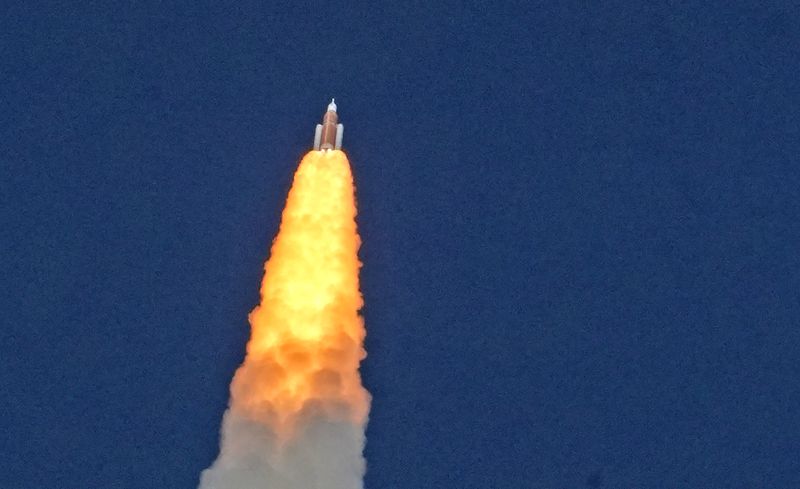
My wife and I were in our front yard on the afternoon of April 1st, searching the sky to the southeast. We were following the launch of the Artemis II rocket and the beginning of the 10-day trip around the moon. As we saw the rockets flare with smoke trails across the blue sky, I was saying a quiet prayer to keep those brave astronauts safe.
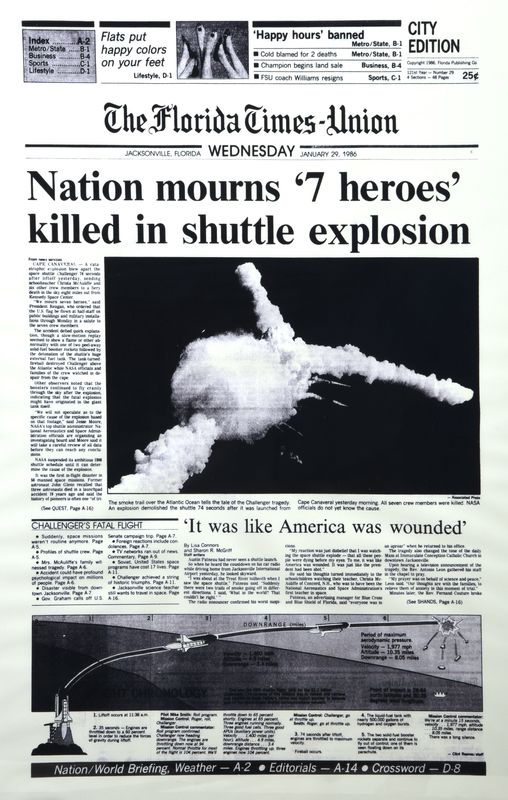
I am old enough to vividly remember the Challenger disaster that occurred on Jan. 28, 1986. I was in my office at Jacksonville University that afternoon when a colleague rushed in to tell us the news. We immediately went outside and looked up to see the rocket’s smoke trail had stopped. It was then that we returned to the office and turned on the TV that was normally used to show videos in class to watch the events unfold.

I never watch a rocket launch that I do not think back to that day. And April 1st was no exception. The Challenger expedition was special that year. A classroom teacher was on board: Christa McAuliffe. I had known a Jacksonville teacher who had tried to be that teacher but did not quite make it. Mike Reynolds was a prominent science teacher who later became MOSH planetarium director and was a NASA Teacher-in-Space national finalist.
But as I watched Artemis II streak across the horizon, my thoughts also turned to the moon and the special fascination it holds in people’s hearts and minds. Why else would we spend billions of dollars going to the moon both back in the ’60s and now over 50 years later?
Ever wonder what early humans thought as they gazed up at the moon and stars with their ever-changing shapes and positions? What was it like to live without lights at night and to be able to observe the moon and stars as they parade across the nighttime sky?
The moon plays a huge role in human experience. Even the word “lunacy” is derived from the Latin word “luna” meaning moon. And no, there are not more ER visits during a full moon. However, the moon does affect the movement of water in its gravitational pull that varies with the lunar cycle. Early Greek and Roman observers documented the correlations between tides and phases of the moon.
But it wasn’t until the 17th century when Issac Newton developed the theory of gravity that scientists began to understand the cause and effect of the moon on tides. And while early observers noted the connection, it was not mathematically understood until Newton published his calculations in 1687.
And even today, tides are widely misunderstood. We observe tides going in and out, or up and down, depending on your location and point of view. What is really happening is the Earth is rotating within two bulges on either side of the Earth. That is what gives us the appearance of the water movement of tides.
We talk about the sun rising and setting, but it is the Earth that is rotating around the sun. It is all about your perspective. Some even think the Earth is flat.
So next time you are at the beach or on the St. Johns River, take a moment to observe the height and movement of the water. And thank the moon.
Glad you asked River Life
Where and when can I go to see manatees in Florida?
The best time to see manatees in Florida is during the colder months of December, January and February when they congregate in natural warm water refuges like Blue Springs and Crystal River or at power plant discharges found at places like the Tampa Electric’s Manatee Viewing Center at the Big Bend Power Station in Apollo Beach.
Usually by mid-March the manatees have left these areas in search of food and possibly mating opportunities in other areas. So, when boating on the river, slow down if you are near shore and watch for manatees. Wearing polarized sunglasses helps to reduce glare and makes seeing the swirls of swimming manatees easier. No one wants to hit and harm a manatee.
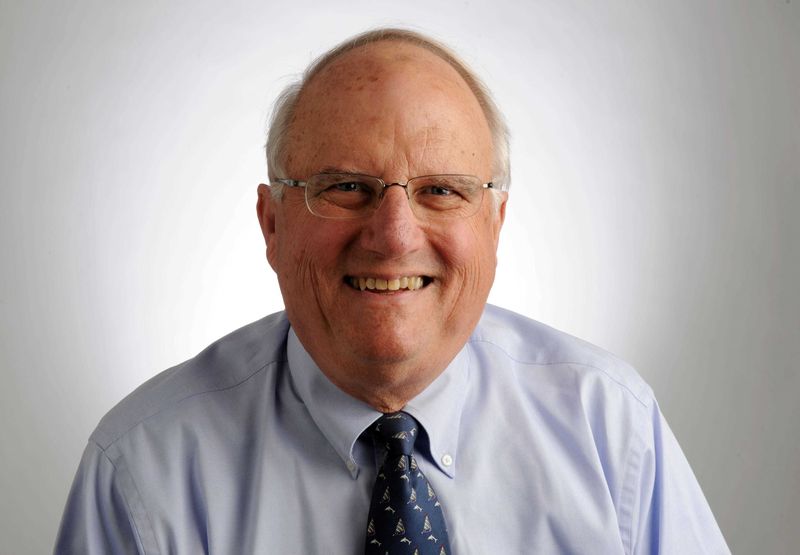
River Life runs the first Tuesday of each month in The Florida Times-Union. Email Quinton White, professor emeritus and former executive director of Jacksonville University’s Marine Science Research Institute, with questions about our waterways at qwhite@ju.edu. For more on the MSRI, visit ju.edu/msri.
This article originally appeared on Florida Times-Union: With Artemis II launch, thoughts return to the Challenger and the moon
Reporting by Quinton White, Special to Jacksonville Florida Times-Union USA TODAY NETWORK / Florida Times-Union
USA TODAY Network via Reuters Connect