A Trump administration proposal would weaken the Endangered Species Act, putting profits ahead of the most vulnerable animals, Florida conservation groups say.
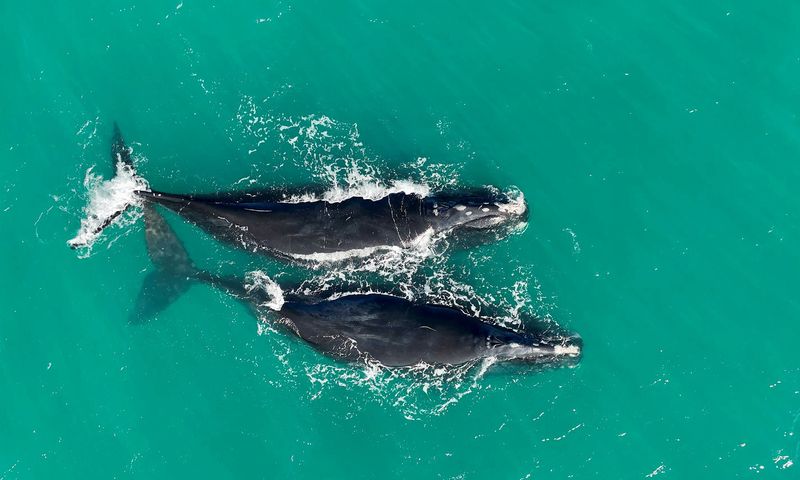
The proposal could harm some of Florida’s most iconic and imperiled species, such as manatees, sea turtles and North Atlantic right whales, according to representatives with these five groups: Save the Manatee Club, Sea Turtle Conservancy, Coastal Connections, Blue World Research Institute, and the Endangered Species Coalition.

The ESA, passed in 1970, has been a powerful legal tool that has prevented the extinction of hundreds of endangered species. The groups say proposed new rules, announced Nov. 19, would:
Trump proposes changes to Endangered Species Act
NOAA’s National Marine Fisheries Service and the Department of the Interior’s U.S. Fish and Wildlife Service proposed new rules to “restore ESA regulations to their proven 2019 and 2020 framework,” which “advance President Donald J. Trump’s directives to strengthen American energy independence, improve regulatory predictability and ensure federal actions align with the best reading of the law.”
“The proposal ensures decisions are based on the best scientific and commercial data available while allowing transparent consideration of economic impacts,” the NOAA news release states.
The administration gave the public 30 days to comment on the changes, with the comment period ending Dec. 22.
“Considering economic impacts in changing a species’ listing status contravenes the foundational intention of the Endangered Species Act and places a price tag on what should be science-based decisions to protect wildlife,” Save the Manatee Club Executive Director Patrick Rose told TCPalm. “Without the full protection of the Endangered Species List, we might not be able to protect the species (manatees) from extinction.”
This proposed rule expressly invites exclusion of critical habitat areas based on economic impacts and an obstruction to designating critical habitat and “flies in the face of the science-based conservation mandate of the ESA,” Rose added.
A record 1,100 manatees in Florida died four years ago because of starvation. Enough seagrasses have regrown to sustain them, according to FWC, which tried to feed the uninterested marine mammals romaine lettuce.
Manatees are considered one of the state’s keystone species, meaning their behavior can alert researchers to the environmental and habitat changes that may otherwise go unnoticed for extended periods of time.
Florida sea turtles face challenges
Designating critical habitat is crucial and difficult for sea turtles, as their habitat changes during their lives, said Kendra Bergman, executive director for Coastal Connections. Sea turtles nest on Florida beaches and the hatchlings scramble to the sea, often at night, to escape predators.
They live in the open ocean, taking cover in large floating sargassum seaweed patches. They then move to nearshore areas like coral reefs, seagrass beds, and estuaries to grow, before returning to the beach to nest.
Coastal Florida, including nesting beaches, has undergone tremendous development in the past two decades, as turtles and people compete for beaches. Light pollution also causes serious threats to hatchlings, as they are disorienting nesting females, causing them to abandon nests, and luring hatchlings away from the ocean toward dangerous inland areas, where they can be run over by vehicles.
The Endangered Species Coalition called the proposal “Trump’s Extinction Plan,” urged the public to oppose it, and created a website — endangered.quorum.us/campaign/148647 — with a form letter to make it easier to comment.
“In Florida, we have seen positive trends with sea turtle nesting over many decades. In 2025, according to the Florida Fish and Wildlife Conservation Commission, there were more than 150,000 sea turtle nests laid on our beaches,” Stacey Gallagher, policy coordinator for the Gainesville-based Sea Turtle Conservancy, told TCPalm. “Unfortunately, the very protection measures that have contributed to this increase are under threat.”
“The goal of the ESA is to recover species before they go extinct, and the proposal would allow for agencies to prioritize economic considerations when species are listed and where critical habitat is determined. Imperiled species management should be informed by science, not profit.”
Another change proposes to limit the scope of how far agencies can project into the future whether a species will become endangered. Climate change is one of the greatest threats to sea turtles in the U.S. and globally, and by limiting agencies’ consideration of climate change impacts to sea turtles, it affects their level of protection, Gallagher said.
The Trump proposal could lessen protections for one of the ocean’s largest and gentlest creatures: right whales, said Julie Albert, director of right whale sightings for Blue World Research Institute.
She is concerned the proposal could roll back the Southeast seasonal vessel speed law for large ships operating off Florida and Georgia between Nov. 15 and April 15. Vessels 65 feet or longer must adhere to 10 knots or less in seasonal management areas to protect calving mothers and calves.
Albert is reviewing the proposal and plans to convene a group of people to pen comments, she told TCPalm.
“This proposal affects every endangered species,” Albert said.
Tim O’Hara is TCPalm’s environment reporter. Contact him at tim.ohara@tcpalm.com.
This article originally appeared on Treasure Coast Newspapers: Trump ESA changes could threaten Florida whales, manatees, sea turtles
Reporting by Timothy O’Hara, Treasure Coast Newspapers / Treasure Coast Newspapers
USA TODAY Network via Reuters Connect