Jacksonville is heating up today, with feels-like temperatures climbing as high as 110 degrees this afternoon and Heat Advisories in effect through 7 p.m.
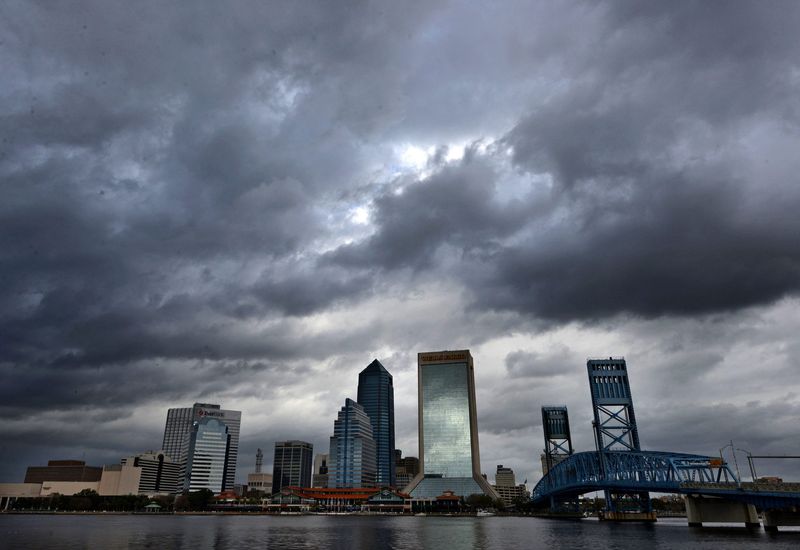
But relief from the heat will come with a catch today. According to the National Weather Service, strong thunderstorms are expected to develop later today, bringing heavy rain, lightning, and the potential for isolated severe weather as we head into the Father’s Day and Juneteenth holiday weekend.

So before you finalize outdoor plans, here’s a look at when the storms are expected to arrive, how much rain could fall, and whether your area is at risk for flooding.
➤ Weather alerts via text: Sign up to get updates about current storms and weather events by location
Amazon offers hurricane supplies
What’s the weather forecast in Jacksonville for Juneteenth and Father’s Day weekend?
NWS Jacksonville Radar
Flooding risks in Jacksonville? Here’s how to find out if you live in a flood-prone area
If you live in a flood-prone area, you’re vulnerable to feeling impacts from storms.
➤ Live updates: Potential Tropical Cyclone One poses flooding risk
However, even if you don’t live in a flood-zone, that “doesn’t necessarily mean you’re safe; extreme rain from hurricanes — which can reach 10, 15 and even more than 20 inches of rain — can bring floods even to areas that aren’t prone to flooding,” NOAA said.
For a broad view of flooding hazards, go to NOAA’s Coastal Flood Exposure Mapper and zoom in on an area.
Here’s how to find out if you live in a flood zone and your specific zone letter.
What do flood zone letters mean?
Here’s what the flood zone letters mean, according to floodsmart.gov:
Here’s how to find out if you live in an storm-surge evacuation zone
Here’s how to find out if you live in a storm surge evacuation zone:
In the event of a storm, you’ll also see information on any current evacuations.
What do the evacuation zone letters mean?
Evacuation zones receive a letter ranging from A to F, with some special zone letters for specific counties, according to the Florida Division of Emergency Management.
“Typically, Zone A is most vulnerable and most likely to be evacuated first, and Zone F is most likely to be evacuated last.”
When is hurricane season?
The Atlantic hurricane season runs from June 1 through Nov. 30.
➤ Hurricane Center testing new cone: What’s changing this season?
Sign up now to get latest weather alerts
Set up several different ways to get weather warnings so you’re always aware of the latest information and forecast.
The USA Today Weather Watch team sends SMS messages straight to your phone. Sign up today for the free service.
Could Florida be hit by a hurricane in 2026? See which counties have highest chance
What are names for 2026 Atlantic hurricane season?
Names for the 2026 Atlantic hurricane season, and how to pronounce them, are:
Stay informed. Get weather alerts via text
What’s next?
We will start providing daily tropical weather coverage May 15, unless something with potential for development appears earlier. Download your local site’s app to ensure you’re always connected to the news. And look for our special subscription offers here.
Doris Alvarez is a Breaking and Trending Reporter for The Florida Times-Union. You can get all of Jacksonville’s best content directly in your inbox each weekday by signing up for the free Daily Briefing and News Alerts newsletters at jacksonville.com/newsletters.
This article originally appeared on Florida Times-Union: Thunderstorms ahead of Juneteenth. Check flooding risk in Jacksonville
Reporting by Doris Alvarez Cea and Cheryl McCloud, Jacksonville Florida Times-Union / Florida Times-Union
USA TODAY Network via Reuters Connect
By Doris Alvarez Cea and Cheryl McCloud, Jacksonville Florida Times-Union | USA TODAY Network