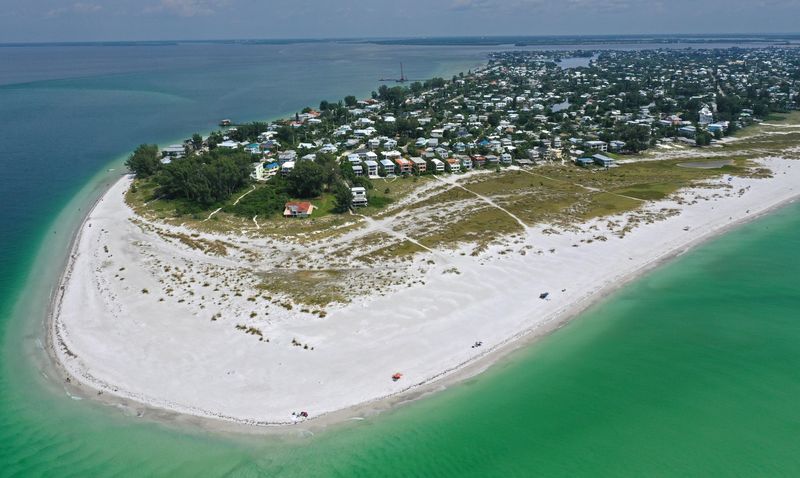
Every year tourists flock to Anna Maria Island, a popular small-town Gulf Coast destination with white sand beaches and a stunning clear emerald sea. But “no swim zone” signs have been posted around Bean Point Beach on the island and the city will be considering banning swimming there altogether after three people drowned in the area within the last month.
A body later identified as that of 20-year-old Abhigyan Patel was recovered from the water one mile west of Anna Maria Island on Aug. 31 during the Labor Day weekend.

On Aug. 9, Benjamin Tuffley of Keystone Heights was visiting the area with his family on Aug. 10 when his son ran into the water after a football and was caught up in a current. Tuffley went out to help but also started struggling. The two were rescued, but Tuffley died of complications the next day, The Anna Maria Islander reported.
Later that afternoon, a 73-year-old man identified as Rolando Hernandez drowned close to shore while swimming near the northeast side of the island.
The warning flags for that day were green, indicating safe swimming conditions, the Islander said.
A city commission agenda for the Sept. 11 meeting calls for a permanent ban on swimming and “certain water activities” in the Bean Point area from the Fern Ave. beach access around Bean Point to the beach access between 831 and 833 North Shore Drive.
A no-swim zone already exists at Longboat Pass at the south end of the island for much the same issues.
Here’s what to know.
Why is swimming at Bean Point Beach in Florida dangerous?
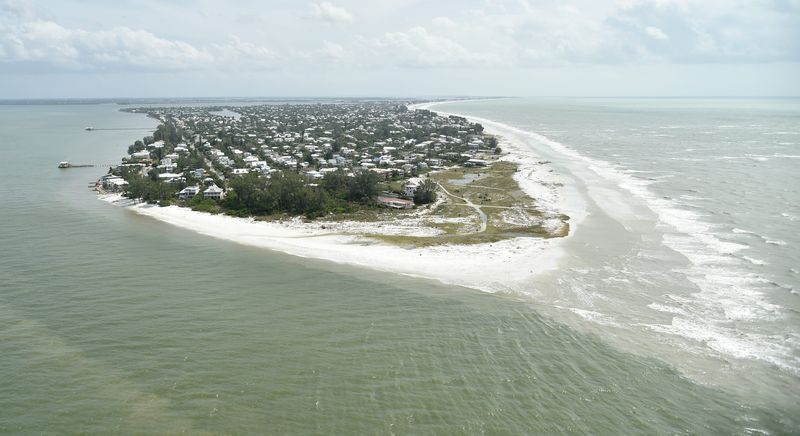
Bean Point is at the northern tip of Anna Maria Island where the waters of Tampa Bay meet the Gulf. The combination of two powerful bodies of water merging, along with a deep shipping channel several miles away and an abrupt dropoff to deep water just a few feet from shore are all thought to contribute to dangerous conditions that can quickly overcome even strong, capable swimmers.
While locals are aware of the dangers, the area sees wave after wave of visitors who may not know what to expect.
“Safety is our utmost concern, and given the recent drownings and near-drownings in this area, all of which involved visitors to the island, the City and Manatee County Sheriff’s Office believe it is appropriate to establish a no-swim area,” Anna Maria Mayor Mark Short told the Bradenton Herald in an email.
On Sept. 3, the city of Anna Maria posted video to Facebook of swimmers struggling against rip currents.
“Even when the water looks calm, strong rip currents are present at our beach,” the post said.
Where is Bean Point Beach in Florida?
Bean Point Beach is at the northern tip of Anna Maria Island, a long barrier island at the base of Tampa Bay on Florida’s Gulf Coast.
What are rip currents?
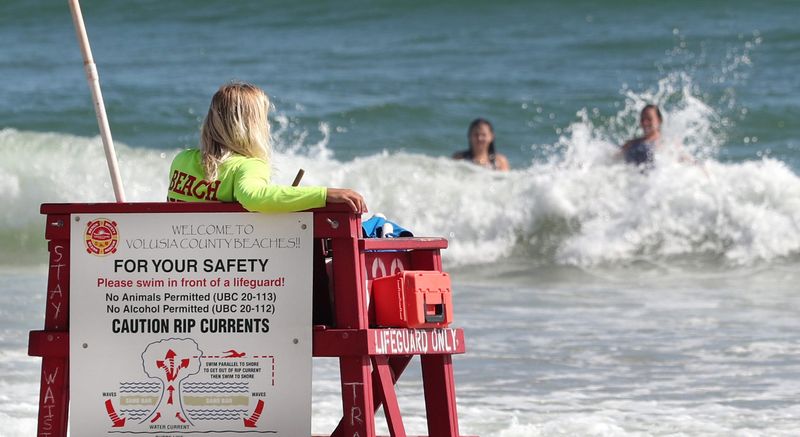
Rip currents are powerful, concentrated channels of water like a rushing underwater river that’s flowing quickly away from shore, most often found at low spots or breaks in the sandbar and near structures such as jetties and piers.
Rip currents can be found at any beach with waves, at any time, and even strong, experienced swimmers can easily tire themselves out trying to swim back to shore. The United States Lifesaving Association (USLA) has estimated that over 100 people drown every year in this country due to rip currents.
What is the best thing to do in a rip current?
By far the most important thing to do is to stay calm, and even try to relax. They can be scary, but rip currents will only pull you along, they won’t pull you under the water. The biggest danger is tiring yourself out.
Make sure you swim near a lifeguard, and watch for beach warning flags at lifeguard towers, stations and other locations.
This article originally appeared on Sarasota Herald-Tribune: Swimming is now banned at this popular Florida beach. Here’s why
Reporting by C. A. Bridges, USA TODAY NETWORK – Florida / Sarasota Herald-Tribune
USA TODAY Network via Reuters Connect