(This article was revised to correct the cost of the project to $30 million.)
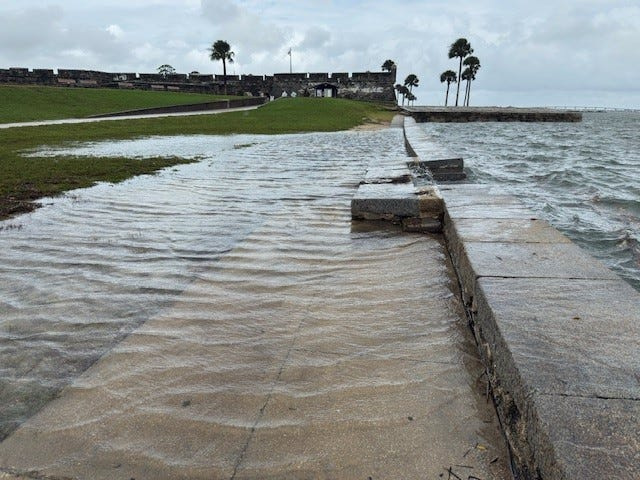
The National Park Service will raise and rehabilitate the failing seawalls of St. Augustine’s Castillo de San Marcos National Monument, commonly referred to by residents and guests as “the fort.”

Funded by the 2023 Disaster Supplement bill, the $30 million project slated to begin in June will repair damage incurred from storms, enhance resiliency and improve the safety experience for visitors while minimizing potential impacts on natural and cultural resources.
According to a news release issued by the NPS, the current conditions of the existing seawall sections range from fair to poor. Five of the existing seawall sections (North, North Transition, Center, South, and South Transition Seawalls) will be constructed using a myriad of methods and materials to improve the fort’s structural integrity.
Steven J. Roberts, acting superintendent and director of interpretation, education and visitor service at the Castillo de San Marcos and Fort Matanzas national monuments, told the St. Augustine Record that raising and rehabilitating the seawalls will not only enhance flood protection and resiliency, but it will also “preserve the site’s cultural resources while addressing structural issues and mitigating sea level rise impacts.”
“The plan includes demolishing and reconstructing walls to the north and south of the fort with granite block walls,” he said. “The large center seawall will generally remain the same, with rehabilitation efforts focused to fix erosion and repair and replace capstones lost over time.”
Roberts said that the project planning, which began in 2024, included a value analysis, community meetings and input, archaeological evaluations for providing “seawalls that meet modern needs while protecting the historic character of Castillo de San Marcos and St. Augustine.”
The NPS released their assessment in June 2025 minus an impact statement because the plan will not affect the natural, cultural or human environment.
“By raising and repairing the seawalls, this project aims to not only protect the historic and cultural resources of the park but also aid in flood prevention and resiliency for the City of St. Augustine and the historic downtown,” they said.
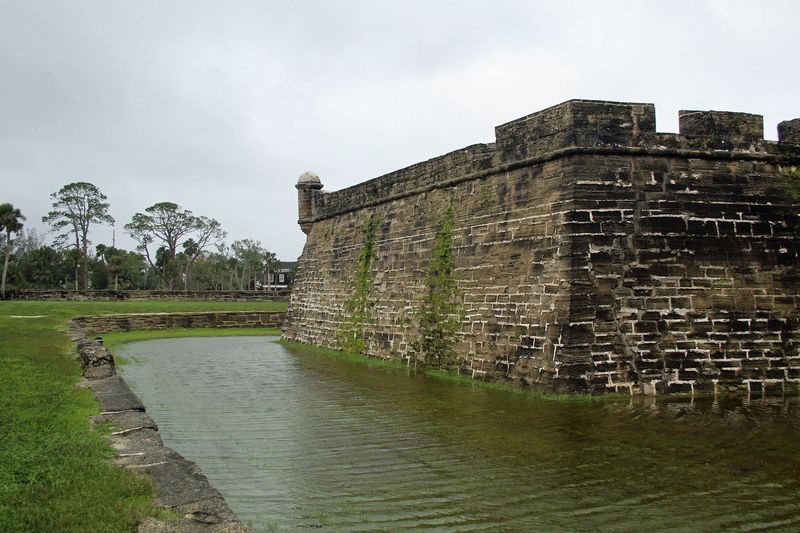
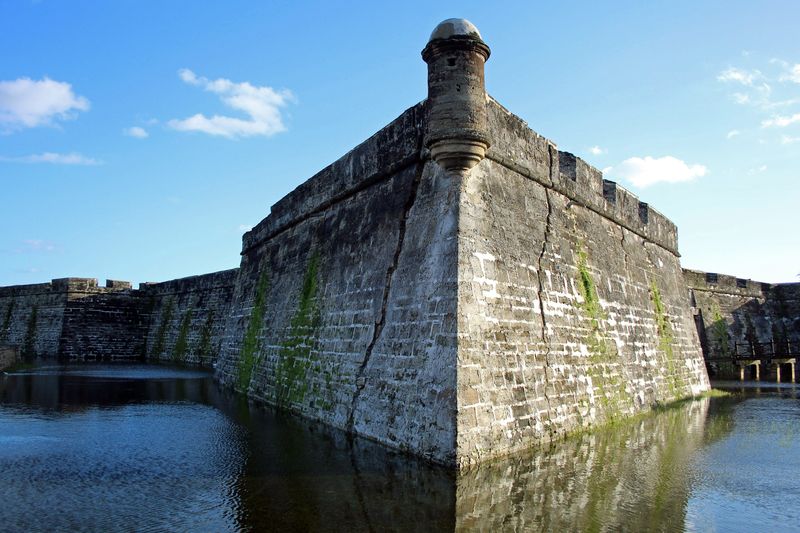
The seawalls surrounding the fort are made of coquina, a rare composition of porous, yet durable, limestone-shell that was quarried from nearby Anastasia Island. Because coquina could not burn yet could absorb cannonball fire, it was used to protect the four-star bastion fort.
However, time has caused “substantial subsidence and erosion of the seawalls,” making the oldest masonry fortification in the continental U.S. the first area to flood during storm events.
For more information, go to https://parkplanning.nps.gov/.
This article originally appeared on St. Augustine Record: Seawalls at St. Augustine’s Castillo de San Marcos will get $30M upgrade
Reporting by Lucia Viti, St. Augustine Record / St. Augustine Record
USA TODAY Network via Reuters Connect