A few months back we picked on some folks near the opposite corner of our nation — up there around the extreme northwest corner.
Not all of Oregon, just one of those narrow but deepish pockets from which a lot of its ideas are plucked. It was officially called Initiative Petition 28 and was ridiculed far and wide — give or take. Naturally, as is the new-age practice, it was given a lovely name — PEACE, as in “People for Elimination of Animal Cruelty Exemptions.”

Who’d be against that? Broadly speaking, no one, but one man’s broad is another man’s scorched earth. Hunting and fishing would be among the newly banned activities if all went PEACEfully and the ballot measure passed in November’s election.
Not just hunting and fishing, but a WHOLE LOT of day-to-day practices within Oregon’s livestock and commercial fishing industries.
But we’re to talk fishing, and alas, the anti-fishing gang didn’t gather the required signatures — about 117,000 — to put the initiative on the ballot. Well, actually, they did get enough — nearly 143,000 — but state officials declared a quarter of those weren’t valid, for whatever reasons, and the new count of 104,000 was some 13,000 short.
Whew, right? Well, yeah, except for a couple of problems — one logical and the other a cynical hunch.
First, the voters of Oregon — left, way left, right and center — weren’t gonna come close to passing the ballot measure in November. And the ballot organizers knew this, but they’ve also learned a thing or three about incrementalism. This is the third time they’ve attempted the ballot measure, and they’re getting closer, which means they’re edging onto radars.
The chief organizer is a substitute teacher from Portland. You heard me. His stated goal during this effort: “If we can force a vote, we normalize the conversation.”
Now let’s hear from the cynic on the other shoulder: Would the organizers have had a better shot at getting their signatures accepted if there wasn’t a competitive race for Oregon governor this November?
Without stirring too deeply into the pot, let’s suggest those more likely to vote for the gubernatorial challenger might’ve shown up in bigger numbers come November because — call it a hunch — percentage-wise they’re more likely to get all worked up over such an overreach.
It’s all politics, you know, especially in politics.
But for the time being, at least, it’s good to see left, right and center briefly lock arms before going back into their more normal battles.
Halifax/Indian River: Pitch a pogie, catch a fish
The summer bait run is still churning the intracoastal, inside the inlet and all points north and south.
“There are pogies all over the river, and the beach as well,” says Capt. Jeff Patterson (Pole Dancer charter).
Some refer to pogies as menhaden, a prized baitfish for nearly any type of quality fish. They’re magical lures if you want to pitch your bait and keep it near the surface to attract a snook or tarpon — hook the bait from bottom-up under the mouth and through the nose.
And also, with an egg sinker, you can go deep for black drum and some bigger mangrove snapper — hook through the nose or back.
Capt. Jeff says some shrimp are still in the Halifax, and finger mullet all over. He’s been avoiding Ponce Inlet due to heavy traffic but says he’s still finding reds, snook, flounder and mangroves throughout the river.
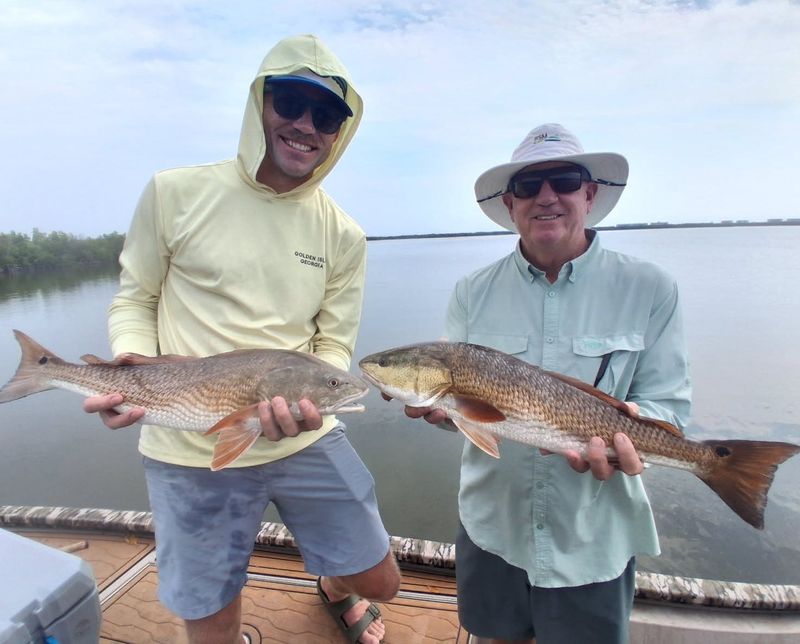
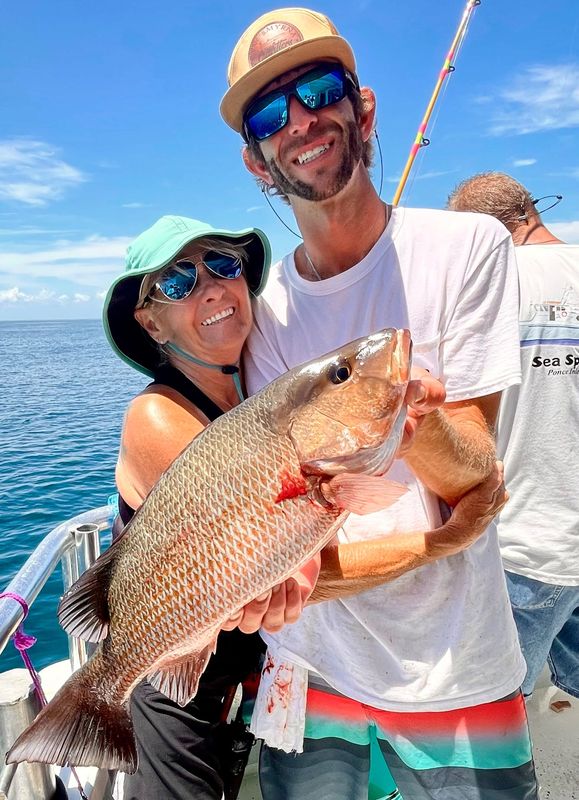
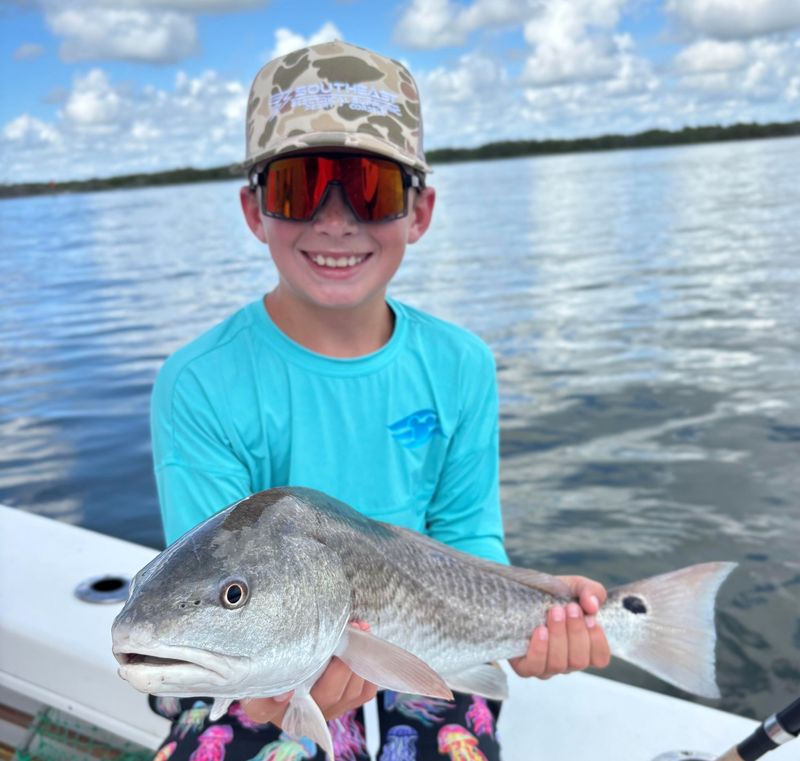
Capt. Billy Pettigrew (RedfishTails.com) focuses on reds, obviously, and he’s finding a good early-morning bite tossing finger mullet around the oyster bars. He’s also finding smaller snook (20 inches) under overhanging mangrove trees in areas reached by incoming tides. Also, mangrove snapper deeper around docks and hard bottoms.
Offshore: Some more red snapper news
The offshore civil war — rhetorically speaking — has seen another salvo lobbed out there, this one from a Georgia congressman.
A couple months back, literally on the eve of the start to a newly expanded recreational season of red-snapper fishing off the coasts of Florida, Georgia and the Carolinas, a federal judge pulled the plug by siding with a pair of unlikely bedfellows — commercial fishermen and hardcore conservationists.
The commercial organizations didn’t want an expanded recreational season for fear of how it might lead to limits of their own allowable snapper catch this year. It’s never fun to watch two fishing camps do battle, but each side has meritable arguments to make, and this time, for now, the commercial guys won.
Enter Rep. Austin Scott, a Georgia Republican, and his proposed H.R. 9933, which also answers to “The South Atlantic Red Snapper Fair Access Act of 2026.” Scott, who actually represents a landlocked swath of Central Georgia, is basically saying, if red-snapper conservation is a stated goal, why let anyone fish for them? Everyone, or no one, is his suggestion.
The proposed bill has been birthed and passed on to the House Committee on Natural Resources, which is the first step in a process familiar to all who can still sing all the words to “I’m just a bill.”
Percentages are low for these things, regardless of the topic. Selfishly speaking, that’s a good thing for those who might occasionally come off the hip and spring for a quality fillet over on the far end of the market icebox.
Surf: Mostly, but not all, whiting
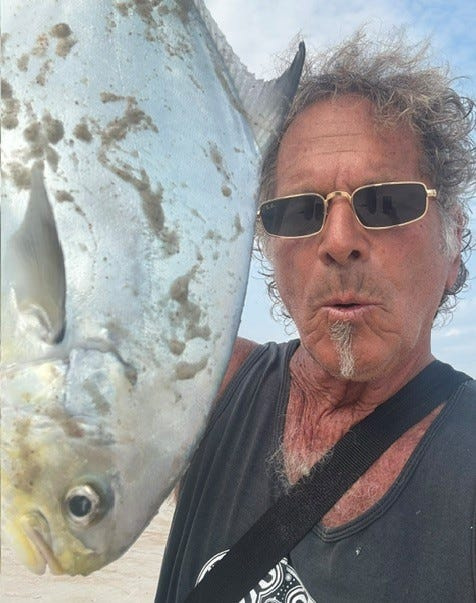
He’s back!
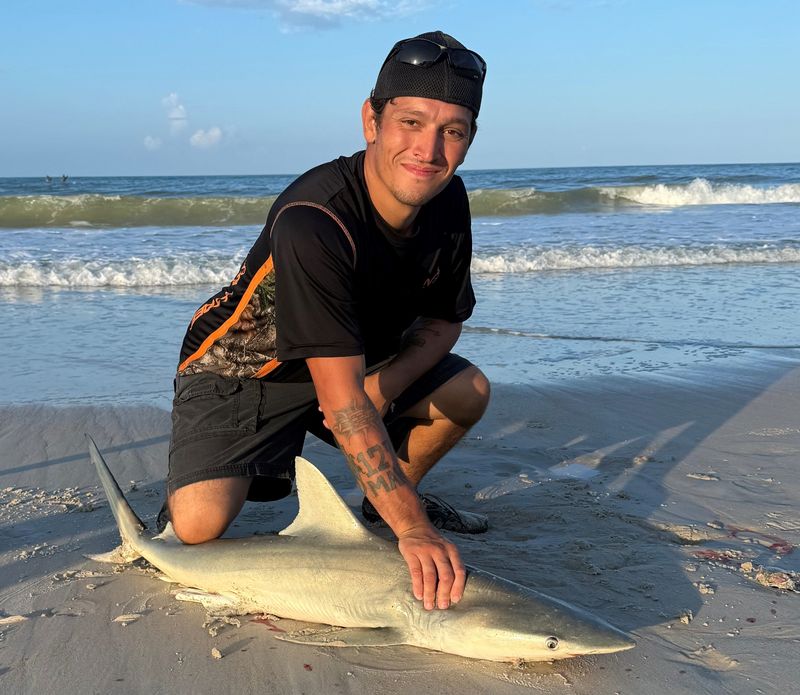
Marco Pompano, our chief chronicler of shoreline activity, is between summertime trips and says the whiting are quite available this week. Not ideal, but it’ll do. Oh, wait …
He checked in Thursday morning to say he finally beached a keeper pompano. Up next: The shorelines of Nova Scotia, just a tad north of his Wilbur-by-the-Sea hangout.
St. Johns: Go early if you want a bass
The bluegill and shellcracker bite is slowing a bit, though this week’s Buck Moon helped the cause, says Capt. Ronnie Paige (Highland Park Fish Camp).
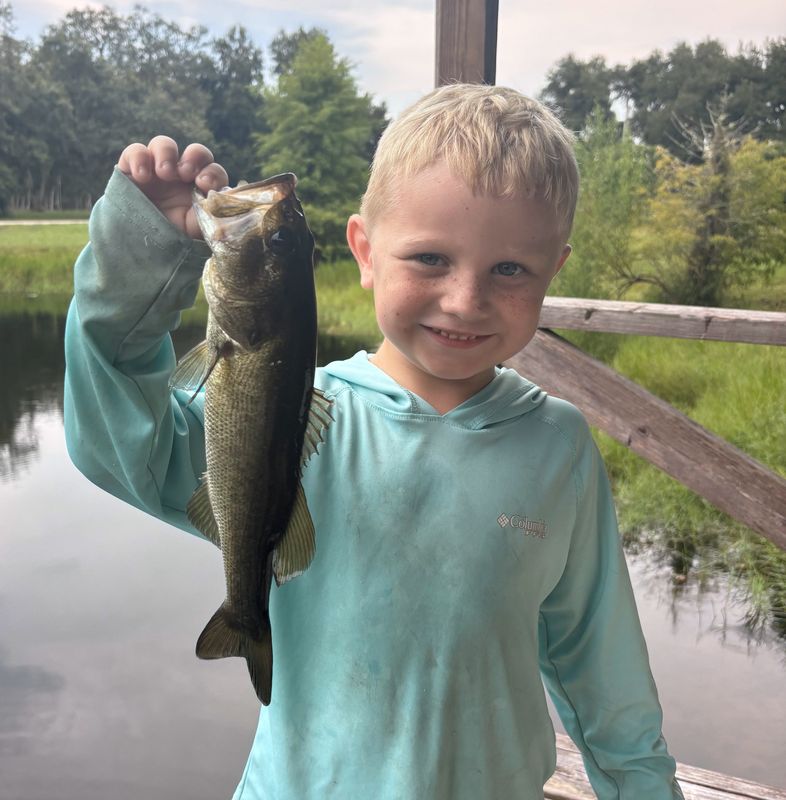
“Bass fishing is still good for the first couple of hours on Lake Woodruff and Lake Dexter,” he adds. “We’re finding small schoolers, but fishing the pads and some cover for larger fish.”
Email Ken Willis at ken.willis@news-jrnl.com
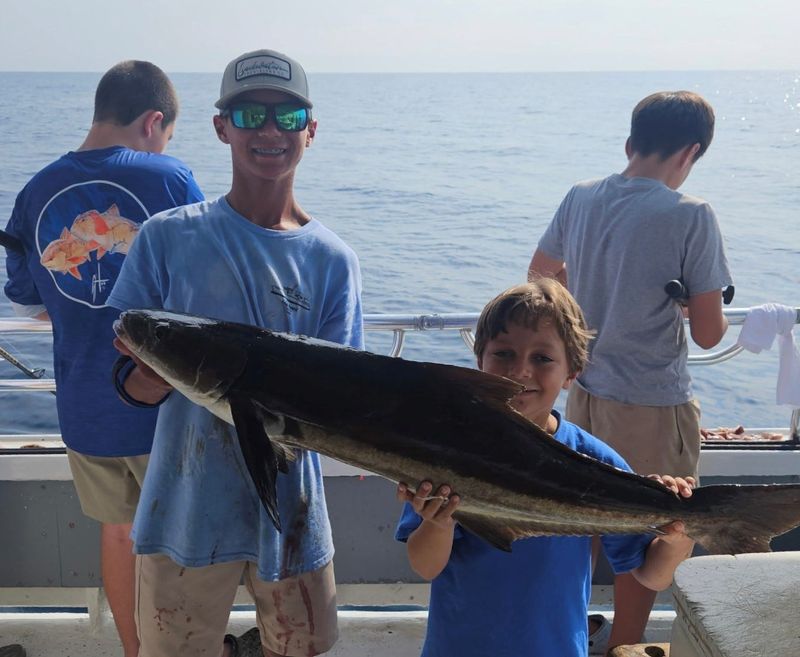
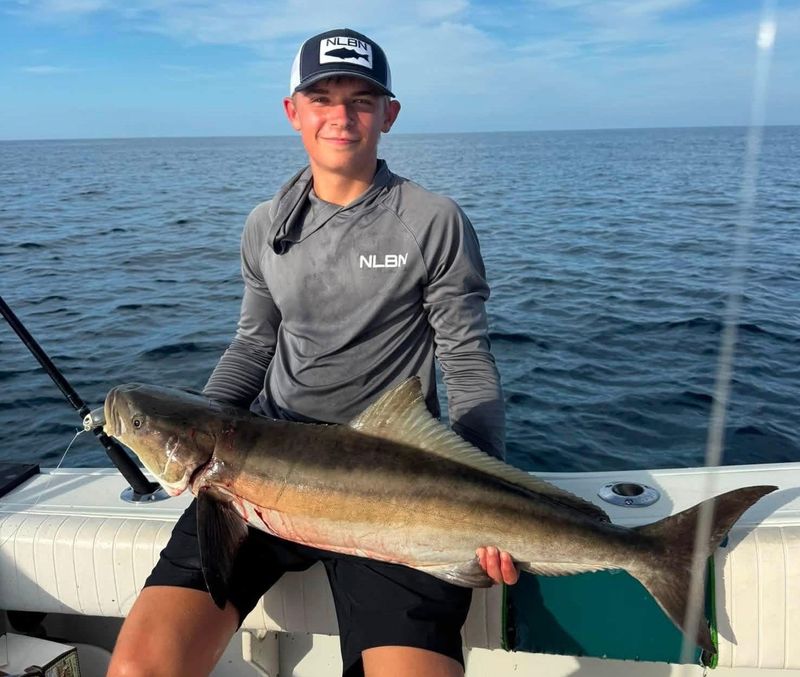
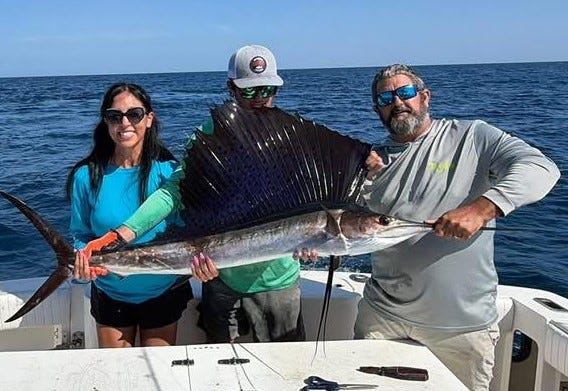
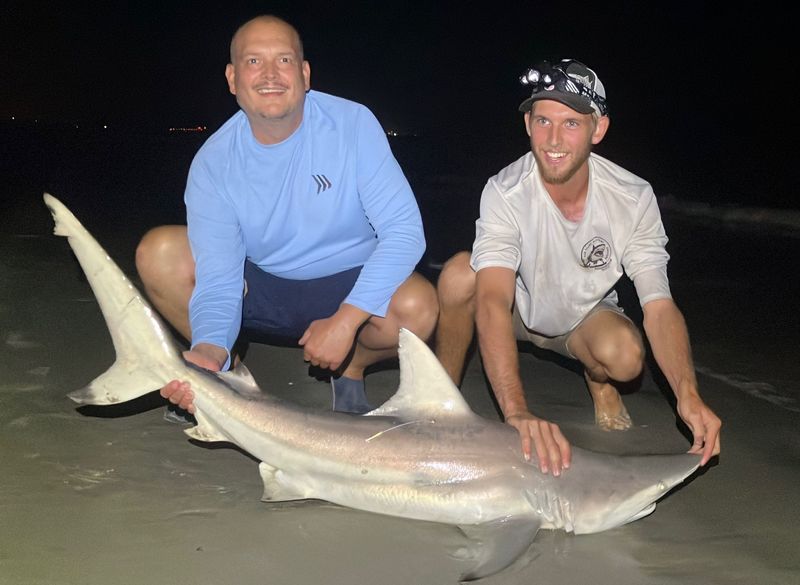
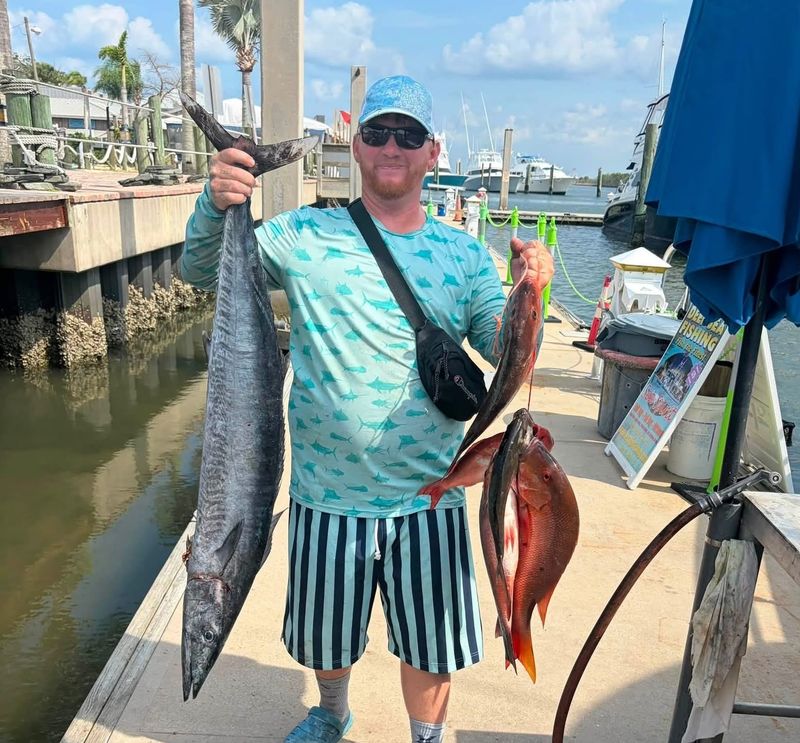
Hook, line and clicker: Send us your fish pics
We want to see your most recent catch. Email your fish photos to ken.willis@news-jrnl.com.
Please include first and last name of angler(s), as well as type of fish (we’re occasionally stumped). Some may be used in print, but all appear in the online version of the fishing roundup.
Do I need a fishing license?
You can find all the license info, including exemptions, on Florida’s Fish and Wildlife Commission website: MyFWC.com. But the basics are: No: If you’re 65 or older, 15 or younger, you don’t need a license. “Probably” Not: If you’re fishing with a licensed guide or charter boat, both of which often purchase commercial licenses that cover their customers. Yes: Most everyone else, including visitors from other states. Yes: Even if you’re a shore-based angler (shoreline, dock, pier, bridge, etc.), and even if fishing with a shore-based guide. However: The shore-based license is free . . . But: You still need to register for that free license.
Where do I get a license and what does it cost?
Many bait shops sell licenses, as do the bigger retailers (Bass, Dick’s, Walmart, etc.). Florida’s FWC uses a third-party site for buying or renewing fishing licenses: GoOutdoorsFlorida.com. The cost: $17 for an annual license. Don’t forget: Whether you’re fishing fresh or saltwater, you need the specific license. Freshwater and saltwater licenses are both $17 annually.
I’m here on vacation, do I need a license?
Yes you do, and some are available at GoOutdoorsFlorida.com, but what you need probably isn’t. Short-term: Three-day ($17) and seven-day ($30) licenses are no longer available online, but only at local tax-collector offices and many bait shops. Long-term: The yearly visitor pass is still available online for $47. “Some” exceptions: If you’re fishing on a charter boat (saltwater only), that guide should have a license that covers all his clients. If you’re hiring a shore-based guide, no such coverage exists and you must go purchase a license.
What if I get caught fishing without a license?
Florida residents: First-time violation is usually $50, plus the cost of the license you should’ve had. Non-residents: Fines range from $100-250, plus cost of license. Both go up exponentially with future violations.
This article originally appeared on The Daytona Beach News-Journal: Oregon’s fishing ban signs out (for now). A new front in red-snapper wars: U.S. Congress
Reporting by Ken Willis, Daytona Beach News-Journal / The Daytona Beach News-Journal
USA TODAY Network via Reuters Connect
By Ken Willis, Daytona Beach News-Journal | USA TODAY Network