Long before springtime’s SunFest, now on hiatus after a 40-plus-year run, another downtown West Palm Beach festival was known for drawing colossal crowds that included Palm Beachers reveling in what was dubbed “joy days” of fun — from parades to masquerade parties.

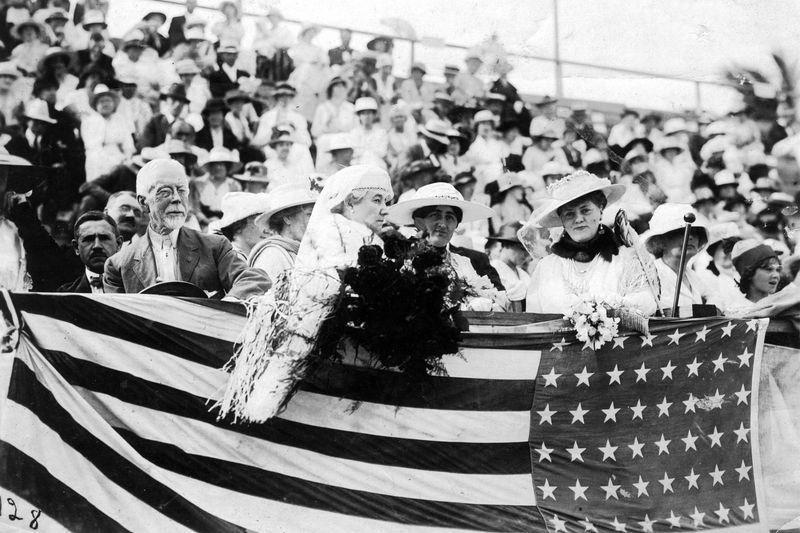
Even U.S. President Woodrow Wilson reportedly was invited to attend the inaugural Seminole Sun Dance fest in 1916.
Though he politely declined the invite, parade judges that year included Mary Lily Flagler — then-widow of Henry Flagler, who had transformed Palm Beach into a wealthy resort destination — and seasonal Palm Beacher Bula Croker, whose husband Richard ruled New York’s Tammany Hall for years.
From its 1916 inaugural through at least the mid-1920s and sporadically revived thereafter, the Seminole Sun Dance fest was held annually during early spring as a way to, among other things, extend the winter tourist season.
While the height of tourism here today run from late October to early May, back then it was short — from the winter holiday season through late February.
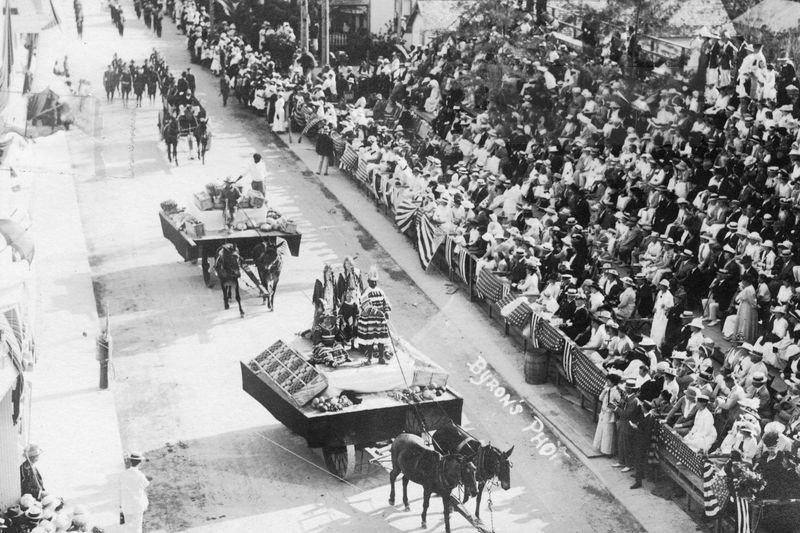
Parades of all kinds played a significant role in the Seminole Sun Dance activities as marching bands echoed.
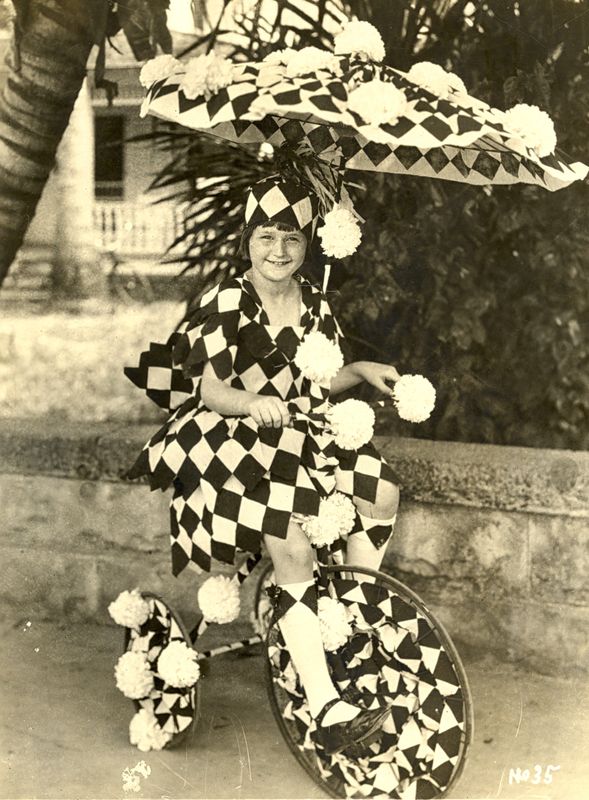
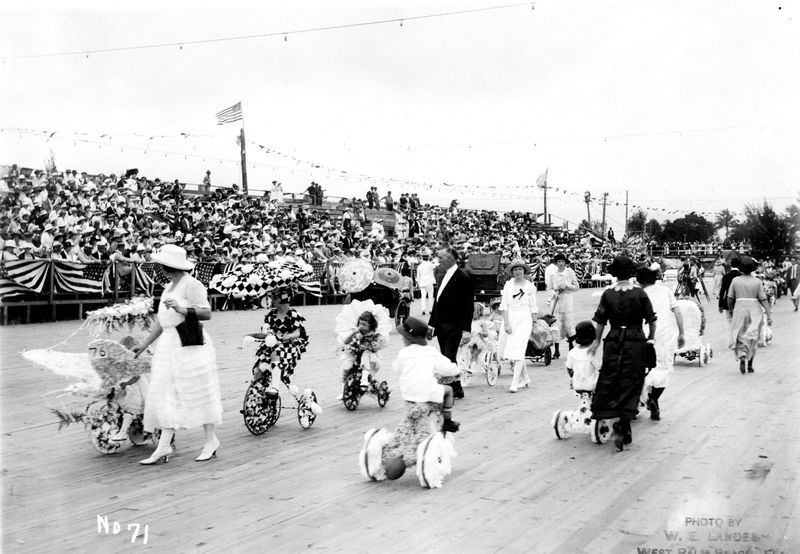
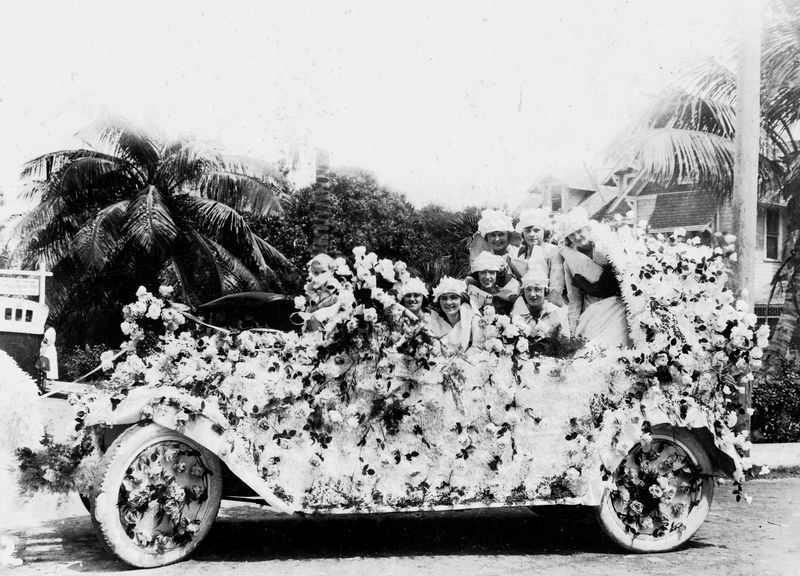
There were “baby parades” featuring mothers carrying “the very best specimens of babyhood in the county”; men striding in their “Palm Beach suits” (blue blazers, white slacks and straw boaters); tikes pedaling tricycles adorned with ribbons and pinwheels; and motoring car-floats festooned in so many flowers local florists could barely meet demand.
Nighttime masquerade parties were popular along with yacht flotillas along the lake separating West Palm Beach from Palm Beach. Dockside vendors sold goodies to countless numbers of locals and visitors who attended the annual festival encompassing three to four days.
A key component to Seminole Sun Dance involved members of the Seminole Tribe of South Florida parading and dancing in their traditional clothing.
Seminoles were sometimes the first people early Palm Beach and West Palm Beach pioneers encountered in the late 19th century and their knowledge and the goods they traded were important.
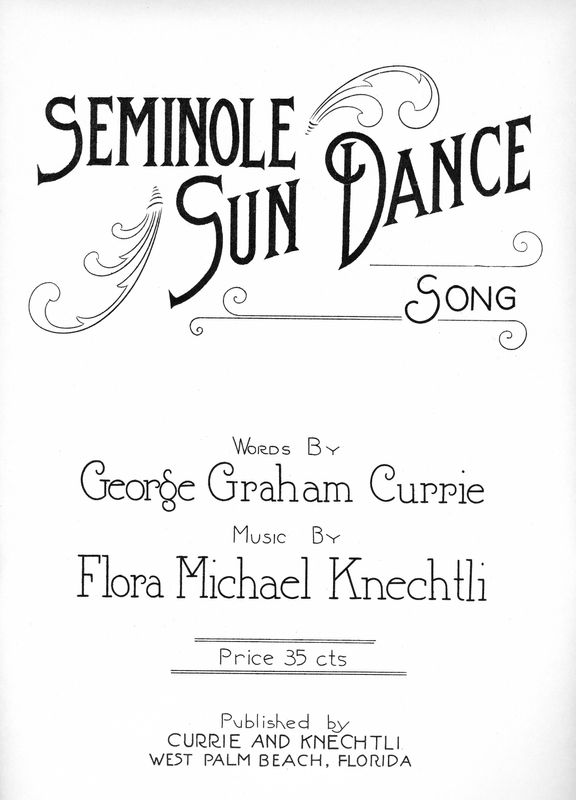
For the Seminole Sun Dance, local businessman George Graham Currie wrote the lyrics of a song referring to Seminoles living in teepees; however, they did not live in teepees. “First natives are we of Florida land,” Currie wrote. “Our maids kept its teepees and kindled its flame.”
Newspaper reporters from as far away as New York covered Seminole Sun Dance in the 1920s to regale their readers of the whoopla, pomp and exotic subtropical scene and climate. They told of unexpected antics, including an overhead fest act in 1920 involving “the leap of an aviator from one plane to another in midair.”
Among those who enjoyed the festival that year — particularly its masquerade affairs — was none other than Eva Stotesbury, who dominated Palm Beach’s social scene from around 1917 until the 1940s and hosted countless parties at the 40-plus-room Palm Beach mansion she shared with her financier-husband Edward Stotesbury.
By 1924, “the annual Seminole Sun Dance celebration ended tonight with fireworks, a costume parade and dancing in the main street,” the New York Times reported. Chilly March weather that year didn’t dampen enthusiasm as yachts in the harbor were strung “with colored lights in novel designs.”
But the festival was on thin ice.
The area’s euphoric real-estate land boom of the early and mid-1920s went bust, followed by a devastating 1928 hurricane, the 1929 stock-market crash and the onset of the Great Depression through the 1930s.
After World War II, the Seminole Sun Dance would be revived a handful of times, but it never took hold again in a sustained way.
SunFest began in 1983 as a largely low-key local-act arts and music festival in early May with school choruses, artists exhibiting their work and other facets; entry was free.
In recent years, it had grown into a festival with A-list national music performers and ticket prices to match. Though Sunfest went on hiatus last year after financial and other issues, organizers have suggested it will return after retooling.
This article originally appeared on Palm Beach Daily News: Long ago, the Seminole Sun Dance brought revelers to West Palm Beach
Reporting by M.M. Cloutier, Special to Palm Beach Daily News / Palm Beach Daily News
USA TODAY Network via Reuters Connect