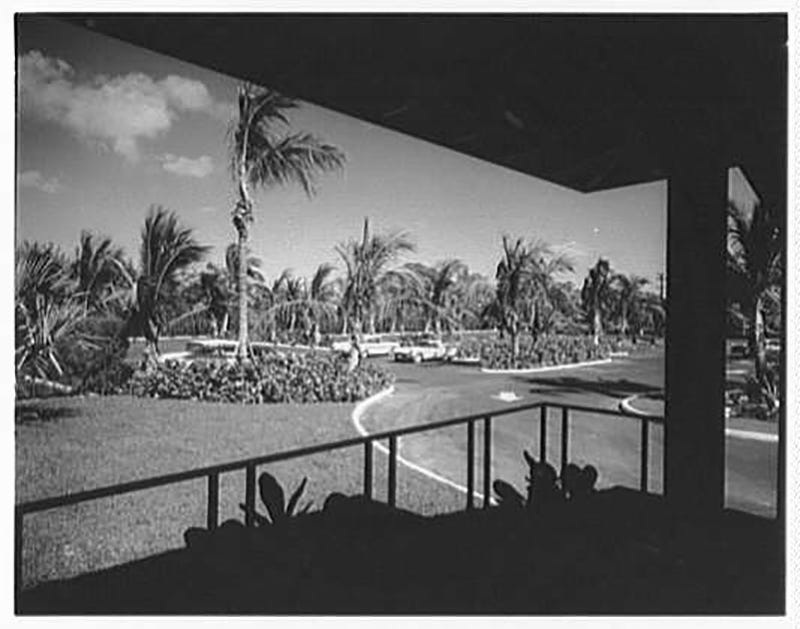
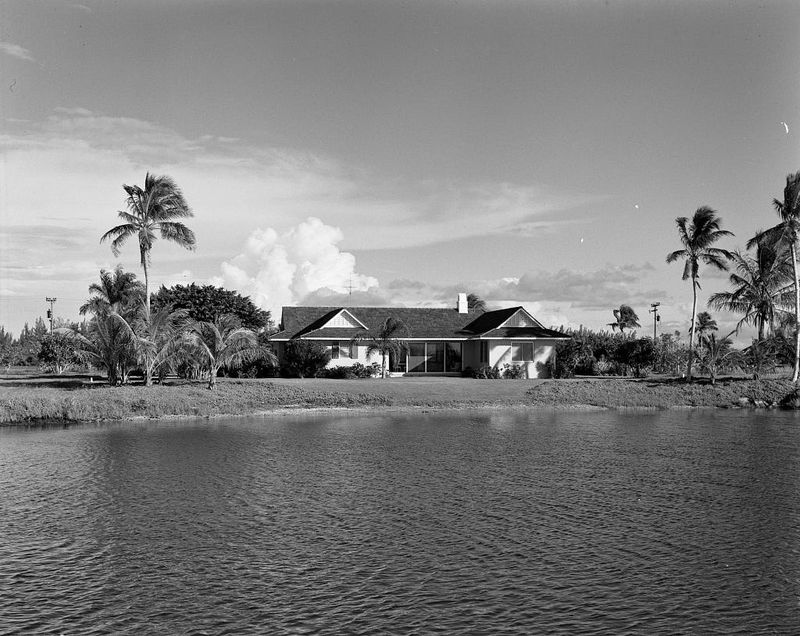
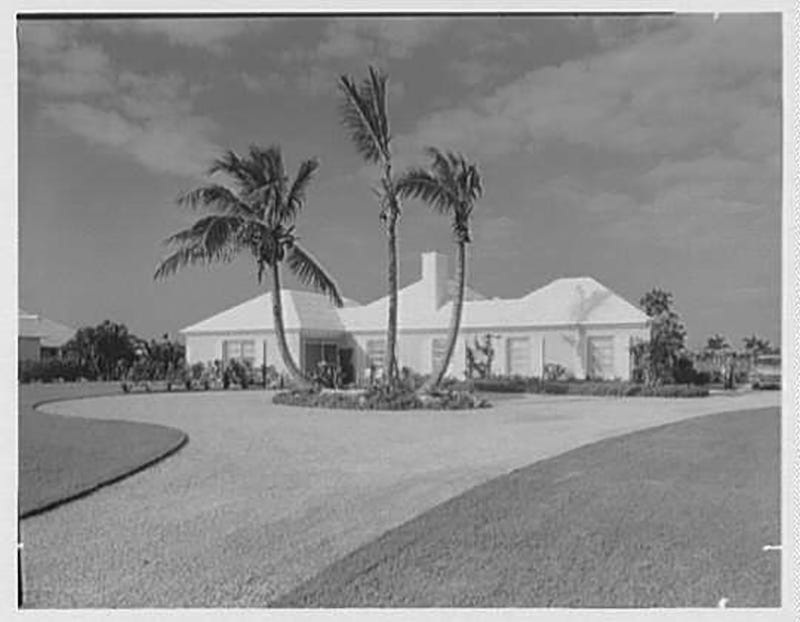
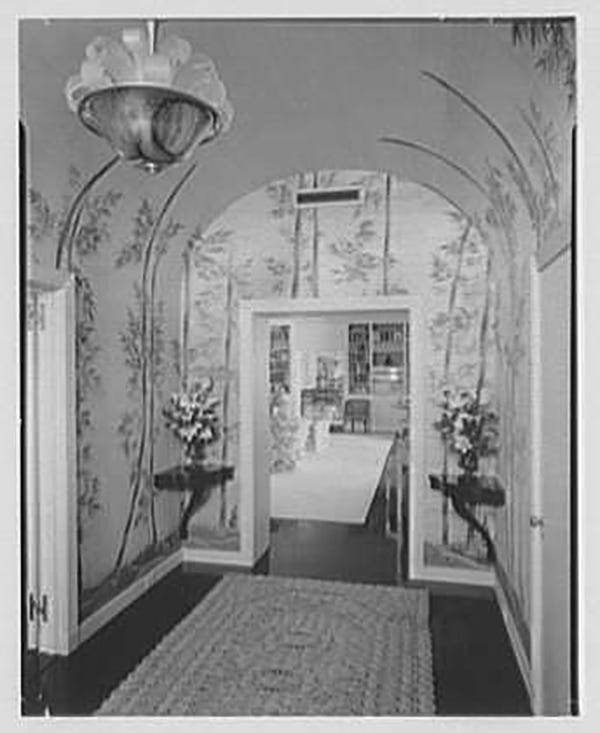
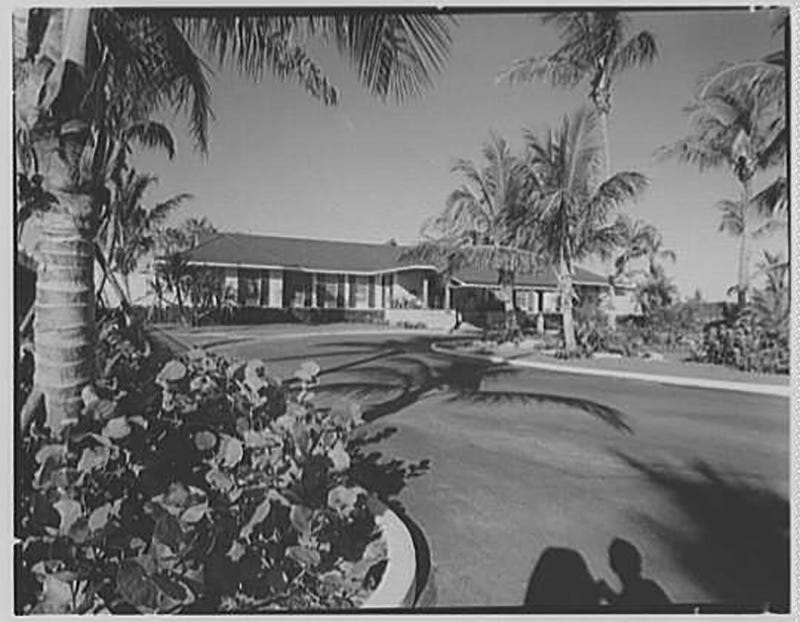
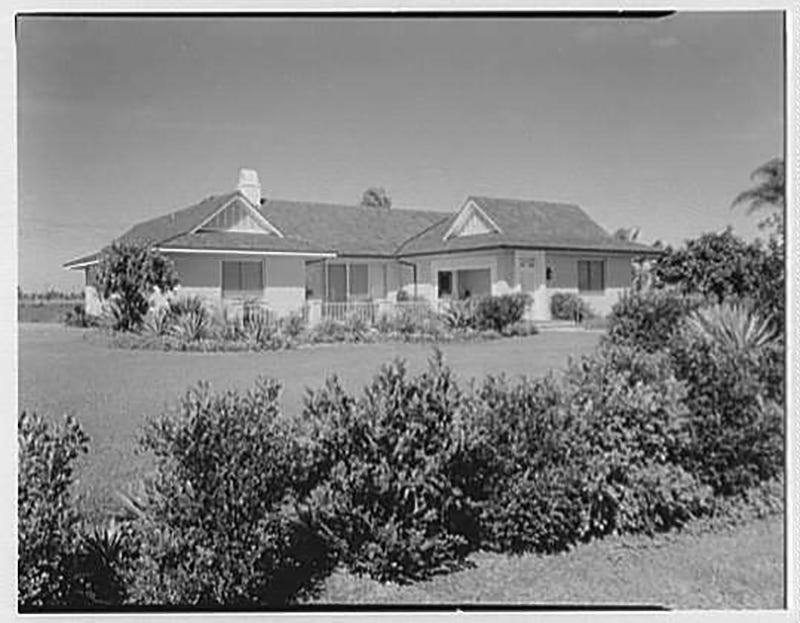
The story of Port Royal in Naples begins with John Glenn Sample, who hailed from Chicago and had a background in radio advertising.
Sample purchased two square miles of marshland in the 1940s, for around $54,000, and began to transform it into a luxurious waterfront community in the ’50s. He named it Port Royal after a 17th-century Jamaican city known for pirates and smugglers.

Engaging with renowned architect Howard Major, Sample developed over 600 single-family homes and the Port Royal Club, to attract wealthy individuals. Sample also established strict architectural guidelines and standards for construction with lush landscaping to create a sophisticated ambiance. Continuing with the pirate theme, he marked the streets with names like Galleon Drive, Gin Lane and Rum Row.
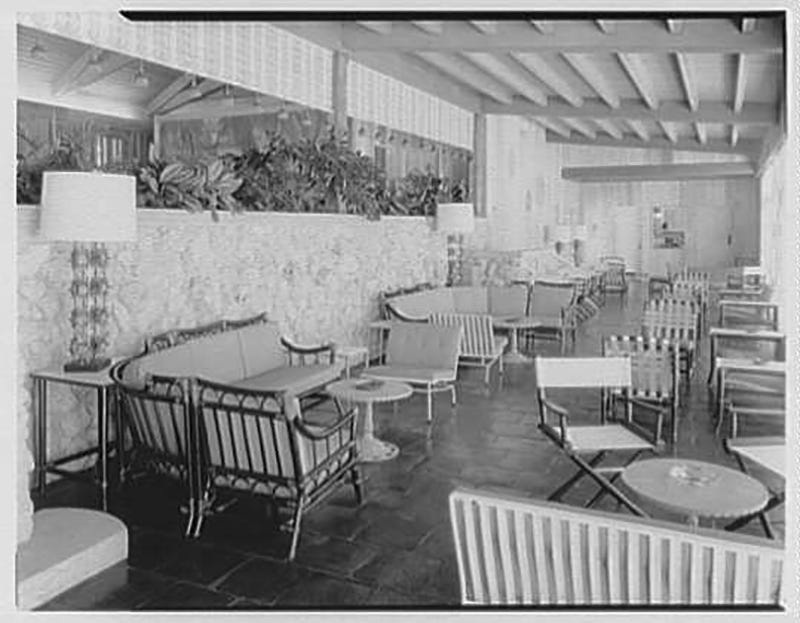
In 1959, Sample created the Port Royal Club. To buy in Port Royal, you must qualify and be accepted into the club. For the first few years, Sample and his wife, Helen, were the only people on the membership committee.
It’s said that a lot of people would buy non-waterfront lots just to have membership in the club. There weren’t a lot of restaurants at the time and if you didn’t belong to a club, dinner might be difficult. These lots became known as “dinner lots.”
The Port Royal Club remains at the heart of the community, offering its members a private beach, gourmet dining, tennis courts, a fitness center and social events.
Port Royal features deep-water canals, allowing residents direct access to the Gulf of Mexico through Gordon Pass.
Today, Port Royal is known for its lavish estates, from custom-built estates of 5,000 to 8,500 square feet, to some of Florida’s most expensive residential properties.
Sources: Naples Daily News archives via newspapers.com, the Naples Historical Society and Wikipedia.
This article originally appeared on Naples Daily News: From the Archives: Port Royal – From marshland to the crown jewel of Naples
Reporting by Naples Daily News / Naples Daily News
USA TODAY Network via Reuters Connect