Since 2013, volunteers with the nonprofit Friends of Palm Beach have headed out each week to catalog and collect trash that flows onto the town’s beaches.
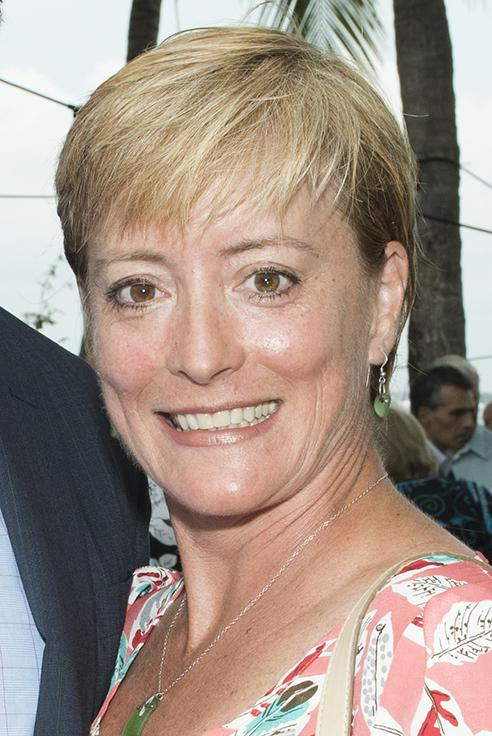
And after each pickup, the organization has published on its social media pages the types of waste it collected on the beach, founder Diane Buhler told the Daily News.

In 2020, those posts inadvertently sparked a multi-year scientific investigation, the result of which were published earlier this year, into the mysterious origins of the oil-covered plastics that regularly make their way onto Palm Beach’s coastline.
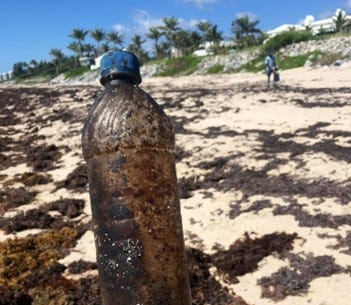
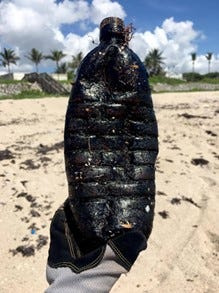
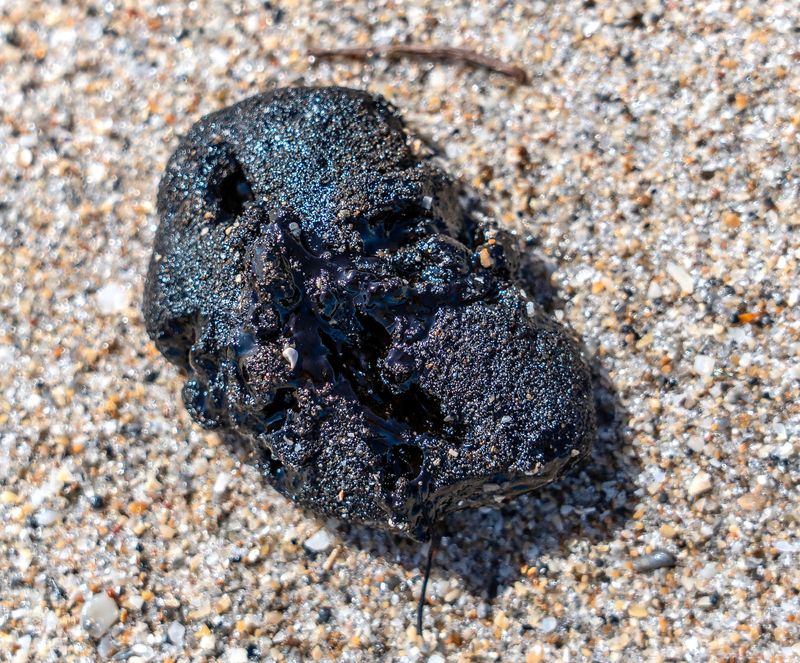
“It was a mystery — all these blobs of oil coming ashore, and all of the plastic we normally pick up covered in oil,” Buhler told the Daily News. “It was too much, an anomaly. It was just too much.”
Back in 2020, there were no announcements or notifications of an oil spill near Florida, Buhler noted. Adding to the mystery were the labels on the plastics washing up, which were written in Portuguese, Spanish and English.
So, in keeping with its usual practice, the organization posted pictures of the oil-covered plastics, which quickly grabbed the attention of scientists at the Massachusetts-based Woods Hole Oceanographic Institution.
In this case, the scientists had been working with counterparts in Brazil to map out the origins and drift of a 2019 oil spill more than 5,200 miles away from Palm Beach.
“When the scientist reached out to us on social media, they asked us to collect those objects, so my crew started saving the plastics and shipping (the items) to them,” she said.
It wasn’t the first time Friends of Palm Beach had collected trash with foreign origins, she said. Palm Beach, after all, has Florida’s easternmost coastline and its beaches are closest to the powerful deep-sea Gulf Stream. As a result, objects from other countries have often found themselves beached on the town’s shores.
Buhler noted that in previous years, Friends of Palm Beach have found fishing equipment that originated from European fishing fleets off the coast of Africa, as well as water sachets and medical waste from Haiti.
Using ocean-current models and chemical analysis, Woods Hole researchers began pinpointing the origins of the oil spill and tested the samples shipped by the Friends of Palm Beach to confirm their origins.
While the bulk of the oil-covered objects landed in town during the summer of 2020, Buhler said the group has regularly found oil-covered objects since then.
“It’s more sporadic now, but it’s still practically every day” she said about the oil-covered plastics her organization has collected, she said.
Though the recent batch is still under testing, Buhler said the oil on objects collected last year also have stemmed from the same 2019 oil spill.
The Woods Hole study, based on the items collected by the organization, has given scientists a new outlook as to the hardiness of oil when it’s combined with plastic pollution.
That’s because oil usually doesn’t drift for thousands of miles, because sunlight and microbes normally break down the oil within 200 miles of the spill, the study notes.
But sticking to plastic pollution, the oil was able to travel thousands of miles away from its place of origin.
“The research findings of our study would not have been possible without the dedication of the Friends of Palm Beach,” says Bryan James, lead author of the study in a news release. “Their long-term knowledge of the local marine debris enabled them to notice when unique and interesting items like oily plastic comes ashore.”
Buhler hopes the study can illuminate the close connection countries share through the earth’s oceans.
“I’m on blogs with people all over the Atlantic, and we all see similar products on our shorelines,” she said. “It doesn’t matter where it came from, it’s all manmade products that’s out there impacting not only marine life, but humans too.”
James praised Friends of Palm Beach for its commitment to solving what might have otherwise remained a mystery held by the deep.
“If they hadn’t been willing to investigate and share their observations,” he said in the statement, “this discovery would still be lost at sea.”
To learn more about Friends of Palm Beach’s coastal cleanup efforts, visit FriendsOfPalmBeach.com.
Diego Diaz Lasa is a journalist at the Palm Beach Daily News, part of the USA TODAY Florida Network. You can reach him at dlasa@pbdailynews.com.
This article originally appeared on Palm Beach Daily News: Friends of Palm Beach fuels study on origins of coastal oily debris
Reporting by Diego Diaz Lasa, Palm Beach Daily News / Palm Beach Daily News
USA TODAY Network via Reuters Connect