Florida is facing one of the most active and intense wildfire seasons in decades with blazes burning from Panhandle forests in the north to the Big Cypress National Preserve in the south, right on the edge of the Everglades.
Florida Forest Service officials said the number of fires and acreage burnt in the first three months of 2026 are on pace to challenge the “Florida Firestorm” season, when several thousand wildfires scorched 500,000 acres statewide.

“Florida is experiencing widespread drought conditions like we have not seen in years, and forecasts show the next few months could be extremely active,” Agriculture Commissioner Wilton Simpson said during a wildfire briefing in Hillsborough County, where there have been two fires this month. The Florida Forest Service, which fights wildfires, is under Simpson’s supervision.
The weather phenomenon known as La Nina has produced a significant rainfall deficit and has parched a state where winter freezes left large amounts of dry vegetation to serve as tinder for fires. Although nearly 80% of the state is in an extreme drought, officials say the highest risk areas include:
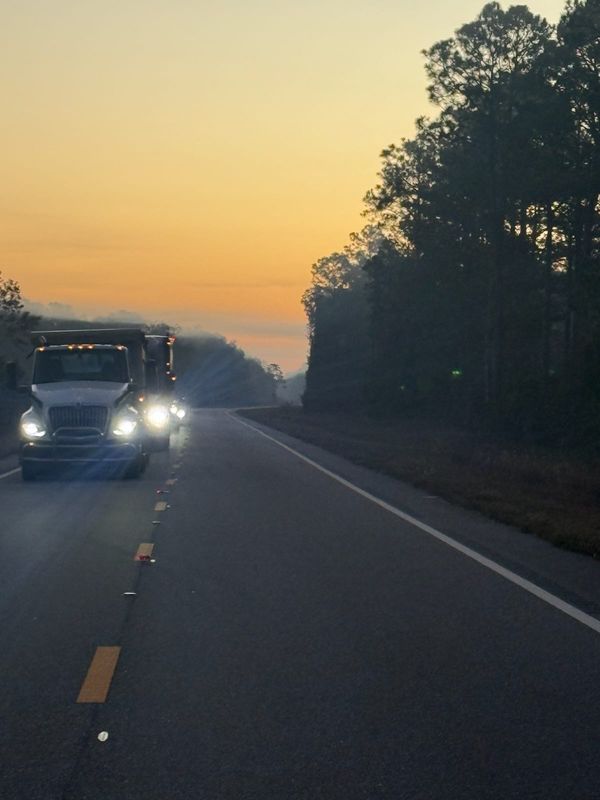
A 1,500-acres blaze in Collier County prompted evacuations April 13. The Collier County Emergency Management warned smoke drifting across Naples will reduce visibility and air quality. And officials report frequent wildfire ignitions and brush fires along the I-10 corridor, with smoke reducing visibility and forcing road closures in Santa Rosa, Bay, Walton, Jefferson and Madison counties.
The lack of rain has left the soil in both the Apalachicola Forest and Osceola National Forest in what is rated as “highly receptive fire condition,” according to the Keetch-Byram Drought Index.
By April 12, the Florida Forest Service had responded to 1,596 wildfires, almost half of the total number of fires in 2025. Fires have already burned more than 97,145 acres statewide – about three times the size of Walt Disney World.
April marks the beginning of the wildfire season, according to the Florida Division of Emergency Management, with most fires igniting in June.
Visibility and air quality concerns
Florida Forest Service Director Rick Dolan has fought wildfires for 30 years and said these are the worst conditions he has ever seen. “(We’re) abnormally busy, and it’s going to be worse before it gets better,” Dolan told the Tampa Bay Times.
Smoke from wildfires often linger close to the ground because of the humid air and creates both visibility problems and extended periods of unhealthy air quality. Smoke releases fine particles that can penetrate into the lungs, worsen respiratory and heart conditions for children, older adults and people with asthma or chronic illness.
Areas miles from an active fire can experience hazy skies, poor visibility and poor air quality when the wind shifts. Officials warn residents to stay indoors when smoke is heavy and avoid strenuous outdoor activities.
“People should not underestimate the impact of wildfire smoke. Even brief exposure can irritate the lunges and trigger serious health problems for vulnerable residents, Simpson said.
Given the extreme drought, dried-out vegetation and weather patterns favorable to wildfires, Simpson and others say conditions are in place for potentially one of the most destructive fire seasons in history.
This story contains previously published reporting. James Call is a member of the USA TODAY NETWORK-Florida Capital Bureau. He can be reached at jcall@tallahassee.com and is on X as @CallTallahassee.
This article originally appeared on Tallahassee Democrat: Florida’s wildfire season could be one of the worst in history
Reporting by James Call, USA TODAY NETWORK – Florida / Tallahassee Democrat
USA TODAY Network via Reuters Connect