This summer, I’ll be in Tallahassee to speak at a regulatory hearing before the Florida Public Service Commission about one of the most promising — and often overlooked — economic development opportunities in the country: data centers.

Florida stands at a pivotal moment. With the right strategy, the state could unlock a new era of growth driven by digital infrastructure. But without thoughtful collaboration between regulators, utilities, and private-sector leaders, that opportunity may pass Florida by.
I’ve seen firsthand the transformative potential of this industry. When I joined Loudoun County, Virginia’s economic development team in 2007, we were searching for a path to long-term prosperity that didn’t rely on volatile real estate or tourism. Then, the housing market crashed, and the need for a new direction became urgent. Our solution: invest in the digital economy.
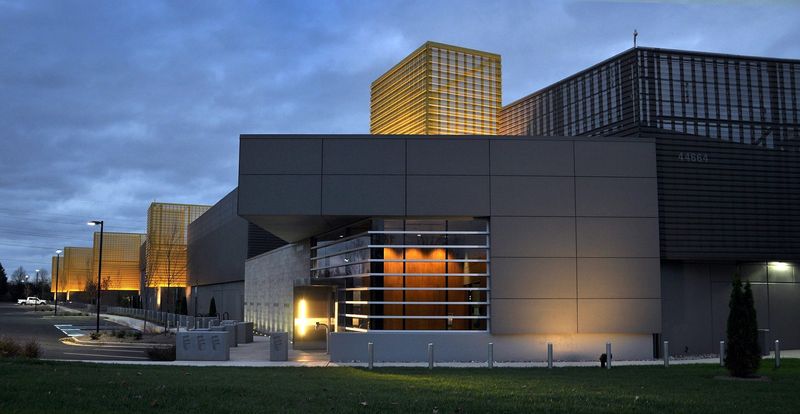
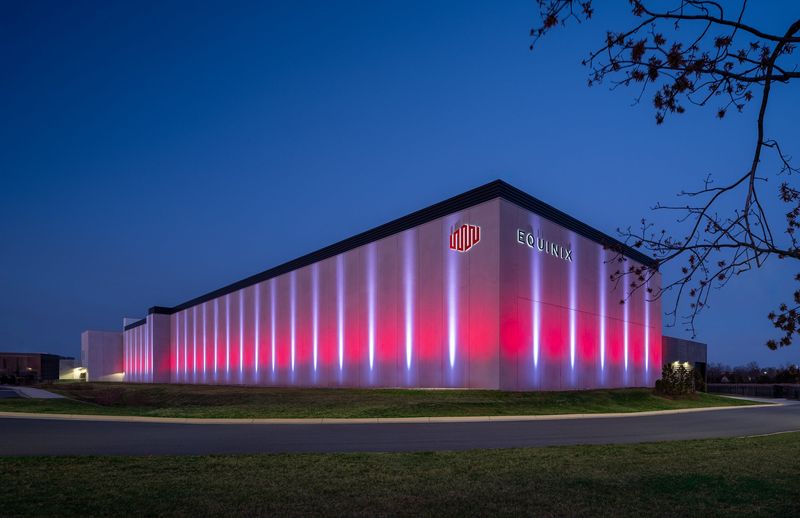
That decision changed everything. Today, Loudoun is known as “Data Center Alley,” home to the world’s largest concentration of data centers. These facilities generate more than $1.2 billion in local tax revenue each year — enough to fund schools, expand infrastructure, and improve public services — without raising taxes on residents. In many counties, a single data center becomes the top property taxpayer, delivering consistent, long-term value to the community.
Loudoun County’s success didn’t just boost the public purse — it delivered direct savings to residents. Between 2012 and 2026, the county’s property tax rate fell from $1.285 to $0.805 per $100 of assessed value – or over 37% during a period where tax rates were increasing nationally. For a homeowner with an average assessed value of $735,800, that represents annual tax savings of approximately $3,532 — a tangible and measurable benefit made possible by strategic investment in the digital economy.
This isn’t theory — it’s happening now. In 2023, Virginia’s data center industry supported over 78,000 jobs and produced more than $30 billion in economic output. And these aren’t just tech jobs — they include electricians, logistics teams, maintenance staff, and skilled trade workers across the supply chain.
But securing these projects takes more than available land and interest. Developers evaluate multiple markets across the country, and three factors consistently drive their decisions: a stable tax environment, a predictable permitting process, and most critically, access to competitive electricity rates through a strong utility partnership.
Florida already excels in the first two. The third — energy pricing and utility collaboration — is where the state must step up.
That’s why I’m headed to Tallahassee. My message to the commission is clear: data centers thrive where utilities and industry work together. That doesn’t mean cutting corners or shifting costs to others. It means creating fair, forward-looking rate structures that account for the long-term benefits these facilities bring — especially in regions that are eager for smart growth.
Florida has an opportunity to prioritize well-planned development that is tailored to its unique communities and values by reviewing and replicating, where helpful, the rate structures of states that have successfully welcomed the data center industry. It has everything else needed to compete: land, talent, and the desire to grow. But if electricity rates aren’t competitive with other states, the state risks losing out.
This isn’t just about one industry. It’s about fueling job creation, attracting private investment, and ensuring rural and recovering communities share in the benefits of the digital economy.
Data centers are low-impact, high-value assets. They don’t create traffic or strain public services, but they do generate substantial tax revenue and long-term employment. In an increasingly digital world, the states that invest in infrastructure today will be the ones that lead tomorrow.
Florida doesn’t have to wait for its next economic boom — it has the blueprint in hand. It worked in Loudoun County. With the right utility strategy, it can work in Florida too.
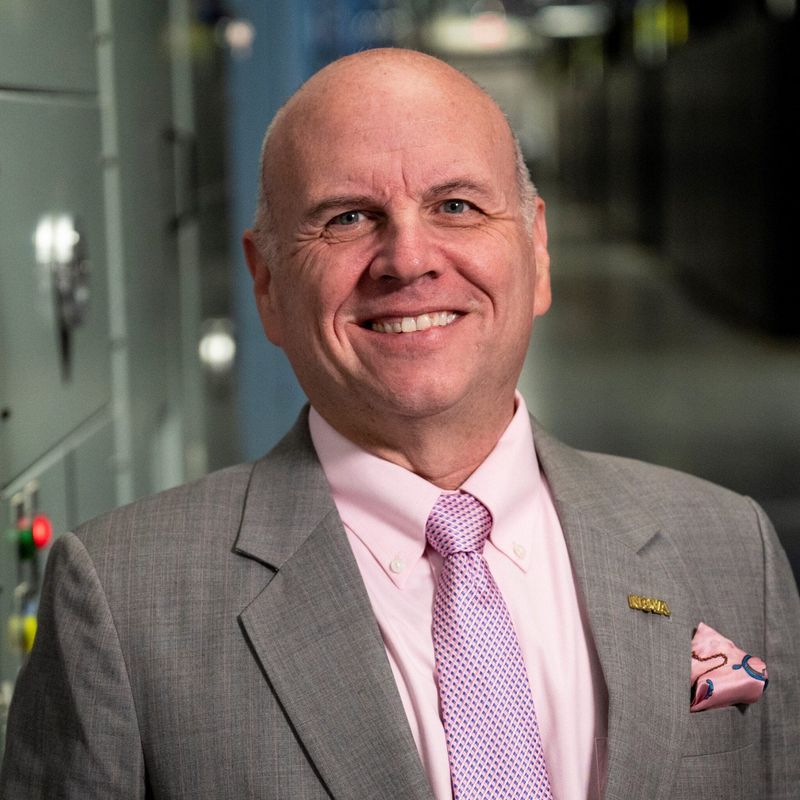
Buddy Rizer is executive director of the Loudoun County Economic Development Department in Virginia.
JOIN THE CONVERSATION
Send letters to the editor (up to 200 words) or Your Turn columns (about 500 words) to letters@tallahassee.com. Please include your address for verification purposes only, and if you send a Your Turn, also include a photo and 1-2 line bio of yourself. You can also submit anonymous Zing!s at Tallahassee.com/Zing. Submissions are published on a space-available basis. All submissions may be edited for content, clarity and length, and may also be published by any part of the USA TODAY NETWORK.
This article originally appeared on Tallahassee Democrat: Florida’s economy can be bolstered by stronger utility partnerships | Opinion
Reporting by Buddy Rizer / Tallahassee Democrat
USA TODAY Network via Reuters Connect