JAMA Internal Medicine’s recent survey provides an alarming drop in maternal mental health in the United States. While this report is staggering, it unfortunately is not surprising. Instead of receiving the care they need, some mothers are self-medicating with substances like alcohol or opioids.
Thirty years ago, at the start of my clinical social work career, I used to believe that women who used or abused alcohol or substances should not be parents. At the time, I worked at a community pediatric health center in Rhode Island alongside pediatricians trained at Brown University Medical School. Our dedication to helping children often came with a systemic bias against the very women who needed support but were rarely given a chance.

As I listened to their stories and read their medical records, I began to see beyond the negative labels. These mothers were not just statistics or case files; they were human beings who had endured emotional violence, poverty, unstable housing, fractured family systems and the lifelong burden of stigma. Their struggles were complex, shaped by circumstances beyond their control.
Mothers who struggle with substance use need more support
Society must push against the notion that infants should be automatically removed from their mothers due to substance use. Instead, we must offer a network of social and economic resources to keep these families together and break the cycle of trauma. A recent study published in JAMA Network found that opioid use disorders (OUD) among pregnant Medicaid recipients are more than twice as high as previous estimates. Pregnant individuals with OUD also face a significantly increased risk of severe maternal mortality if they enroll in Medicaid late in their pregnancies. Additionally, 78% of substance-exposed newborns diagnosed with neonatal opioid withdrawal syndrome are covered by Medicaid. These statistics underscore the urgent need for better support systems.
A mother’s ability to reunite with her child is profoundly influenced by a severe institutional bias in child welfare systems, rooted in social determinants of health. Factors such as food insecurity, lack of income and education, inadequate housing, racial discrimination and limited access to quality health care drastically reduce the likelihood of mothers being allowed to stay with their children. Many become entangled with child welfare agencies and, in some cases, the criminal justice system.
Most women with OUD have a history of childhood trauma. Many have also formed unsafe or unsustainable relationships with their child’s biological father, perpetuating cycles of homelessness and involvement with child protection agencies.
Mothers experience trauma when separated from their children
While conducting research, I have heard mothers describe infant removal as a feeling of watching their child be kidnapped while they stand powerless to stop it. Some studies suggest that such separations contribute to overdoses, as the trauma of losing a child can be overwhelming. Medication-assisted treatment is the standard of care for OUD, but mothers are often penalized or judged by health care and child welfare professionals for choosing the very treatment that sustains their recovery and safety.
The consequences of this institutionalized stigma ripple outward. Many of these mothers have subsequent pregnancies within a year, desperately seeking another chance at motherhood. This reality places immense strain on child protection, mental health and foster care systems, leaving mothers and children trapped in cycles of removal, placement and eventual termination of parental rights. The critical bonding period between mother and infant — a foundation for healthy attachment — is fractured.
Despite the urgency of this crisis, there are only a handful of specialized residential treatment programs in the United States where pregnant and postpartum women can receive care for both their trauma and substance use while remaining with their infants.
After seven years as an associate professor, I began working to break the cycle of intergenerational trauma and substance use. I help provide the structure and consistency needed to allow mothers and children to heal together, fostering resilience and lifelong change.
The need for this is immense. One of our patients, incarcerated for drug possession, went into precipitous, preterm labor due to acute withdrawal. After giving birth while handcuffed to the delivery table, she saw no path forward. Her case had already been filed for termination of parental rights due to her history of substance use. This was her fourth child, yet she had never received treatment since her first use as a teenager. After advocacy and intervention, she was given a bed at Hanley Center, where she received the support she never had. She was ultimately reunited with her child, and today, they are both thriving.
Far too many women are denied the opportunity to heal and parent their children. When we invest in mothers, we invest in families. When we give them a chance, hope blossoms.
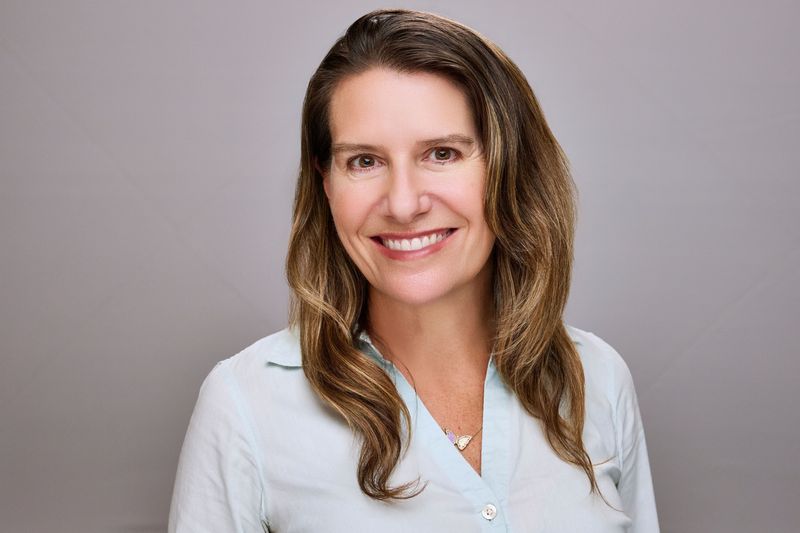
Dr. Heather Howard, Chief Strategy Officer of Hanley Foundation in West Palm Beach.
Join the Conversation: The Palm Beach Post is committed to publishing a diversity of opinions. Email us at letters@pbpost.com. Letters are subject to editing, must not exceed 200 words and must include your name, address and a daytime phone number to confirm the letter is for publication. We only publish names and cities with the letters.
This article originally appeared on Palm Beach Post: Fighting the maternal health crisis means confronting substance use disorder | Opinion
Reporting by Dr. Heather Howard / Palm Beach Post
USA TODAY Network via Reuters Connect