With Halloween just around the corner, classic horror movies are making a comeback. These films are a staple during October as they put their viewers in a spooky mood to prepare for Halloween; however, these classic movies are often outdated and can portray women in a negative light, especially when it comes to violence, which is oversexualized compared with the violence men face.

This brutality impacts the way society views women and what some believe is acceptable to do to them.
Cult classic horror movies have garnered such large fan bases due to the psychological stimulation they provide. The adrenaline these movies instill in viewers keeps people coming back for more.
One way that the directors of these movies generate adrenaline is with the violence portrayed. These scenes can trigger a fight-or-flight response just through the screen. One way to do so is to have the women in the film face extreme amounts of brutality.
Since early horror movies, the sexualization of women in terrifying situations can be seen. In films such as “Psycho,” directed by Alfred Hitchcock, one of the most infamous horror scenes was shot.
In the scene, Janet Leigh’s character stops in a motel for the night and takes a shower. During the shower, the murderer in the movie rips down the shower curtain and stabs her to death. This, being one of the most iconic scenes in movie history, depicts a woman in a vulnerable situation being killed.
This clip inspired many more like it in the horror genre, but these graphic deaths mainly fall upon women. It is only ever women as victims when they are nude or otherwise exposed and these situations add to the inherent pleasure some may feel towards violence.
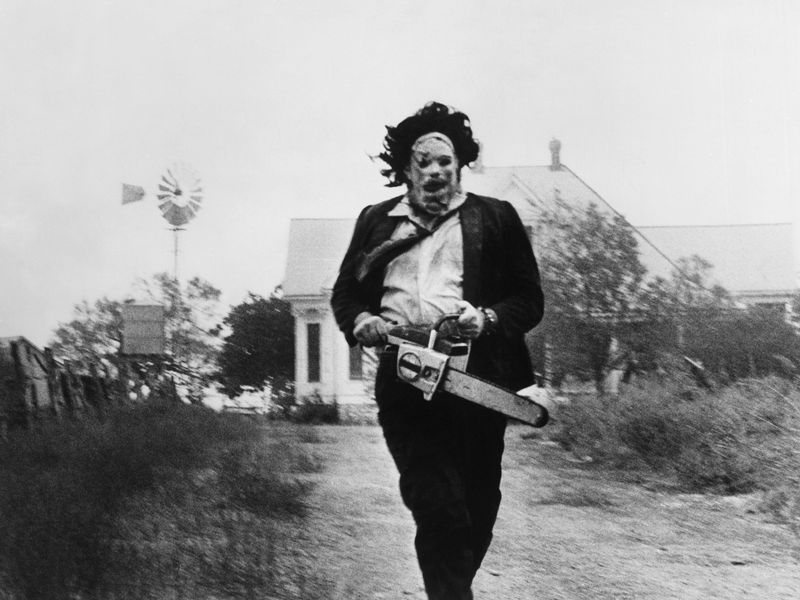
In movies such as “The Texas Chain Saw Massacre” and “A Nightmare on Elm Street,” the women are forced into vulnerable positions with men who hold power over them.
A scene in “The Texas Chain Saw Massacre 2” depicts the killer, Leatherface, becoming aroused before he murders his victim.
The scene in the movie zooms in on the chainsaw as he slowly drags it up the woman’s body. This is an example of the “male gaze” and how the camera will linger on women while they are in vulnerable positions.
This clip has recently gone viral on X and users have had strong reactions to it. Many men on the app thought the scene was exciting to them, while many women thought it was off-putting and unnecessarily violent.
With images like this being projected on movie screens and then amplified on social media, the sexual aspect of violence has become a fantasy for many.
There are movies such as “Scream” that make fun of the genre and the stereotypes played in these films.
In the opening sequence, Ghostface flirts with a woman over the phone just before he murders her. This plays into the dominating role of a killer and how that power can be a fantasy for men. He plays with her emotions, getting her semi-comfortable, before he exerts his position of power on her and murders her.
Later in the movie, the idea is shared that the “virgin lives” and is the final woman alive in horror movies. This once again shows the sexual fantasies that men with power want to have over women, by using a potentially sensitive concept to exploit women in the film.
Even if this film is a satire of the genre, it directly feeds into the sexual aspect of horror movies. Today, people have started to idolize the killers in these movies. Patrick Bateman, the main character in “American Psycho,” has become an icon for many young men.
He is wealthy and influential and this has caused young men to view Bateman as a kind of role model, even though that was never the character’s intended purpose.
Director Mary Harron stated that it was never her idea for him to be idolized and that many young men are missing the point. The killers in most horror movies have characteristics like Bateman, which cause people to perceive these monsters as a lesser evil.
Modern horror films still have the erotic portrayal of the deaths of women; however, many have added the touch of gore. This carnage has become an added layer to fantasy, with it even becoming a category for pleasure for some audiences.
In the movie “Terrifier,” a clown goes around murdering women in very graphic ways, typically exploiting them for his pleasure.
This exploitation can be seen as a form of trauma porn, which uses the suffering and brutality faced for pleasure. This gore has become a fantasy for people, and the sexualization of gore can be dangerous.
Women are not a vessel for entertainment in this way and to push this agenda onto them through the use of horror movies and porn can add to the sensationalization of harm. In horror movies, male characters are typically the perpetrators of violence. They are the ones pushing this harmful agenda and normalizing male dominance in relationships.
This stereotype is threatening to women and desensitizes society to their suffering. Horror films that project sexual violence onto audiences create real-world consequences, putting women in more vulnerable positions, not just on-screen, but in life.
Ryleigh Beller is an English major at Florida State University and a Staff Writer for the Views section of the FSView & Florida Flambeau, the student-run, independent online news service for the FSU community. Email our staff at contact@fsview.com.
This article originally appeared on FSU News: Fear and desire: The sexualization of women in horror films
Reporting by Ryleigh Beller, Staff Writer / FSU News
USA TODAY Network via Reuters Connect