The world wobbles between sameness and surprise—have you noticed?
If not, try this: pull up Sirius XM on your phone or car radio and ask for the ‘50s Gold channel. I just did, and here are the first five songs I heard: “Rock Around the Clock” by Bill Haley & His Comets, “Your Cheatin’ Heart” by Hank Williams, Peggy Lee’s “Fever,” Domenico Modugno’s “Volare,” and “Get a Job” by the Silhouettes.

In a little less than 15 minutes, I heard a rockabilly song, a country classic, a sizzling jazzy piece, an Italian import, and a doo-wop tune, all sitting comfortably together and treated equally as “pop” because the individual genres hadn’t been siphoned off yet and sent to narrower stations.
Now pick any other Sirius XM channel: ‘70s on 7, say, or one of the country or hip-hop offerings. You’ll still hear variety, but not as much. There will still be surprises, but far fewer.
Why? Because the struggle between sameness and surprise is not a fair fight. For two reasons: the first is that every medium trends toward its common denominator.
Years ago, my wife Barbara and I used to frequent a downtown restaurant whose every dish, including its salads, was sublime. One night, though, our salads were off—way off. When we asked the proprietor why, she said they’d started using arugula, then new to Tallahassee, but got complaints that the greens were “bitter.” The rest of that restaurant’s offerings continued to be fabulous, but the salads became like the ones you got everywhere else.
The second reason why sameness is likely to get the upper hand is money. Let’s go back to music: a lot of rhythm ‘n’ blues tunes, like Little Richards’ “Tutti Frutti,” began as club songs that went on forever. When I was researching my book on Little Richard, I spoke with his producer, the late Cosimo Matassa, who told me that if the artist was singing a version of that song in a nightclub and a man in a blue suit walked in, the audience might hear, “See the man with the blue suit on / He’s gonna spend his money all night long,” and so on for the next forty minutes.
But 40 minute songs don’t get radio play, and you can’t put a song of that length on a 45 record, the technology preferred by that new species, the teenager. So the version of “Tutti Frutti” you hear today lasts exactly 2’24”.
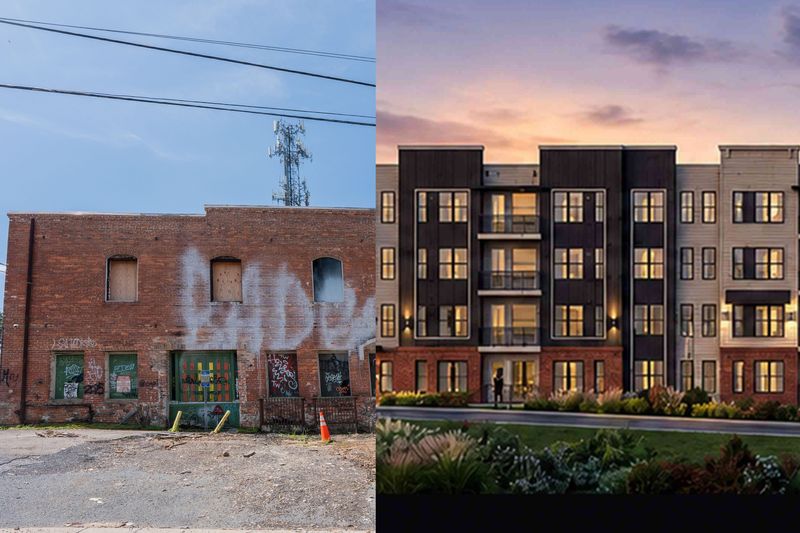
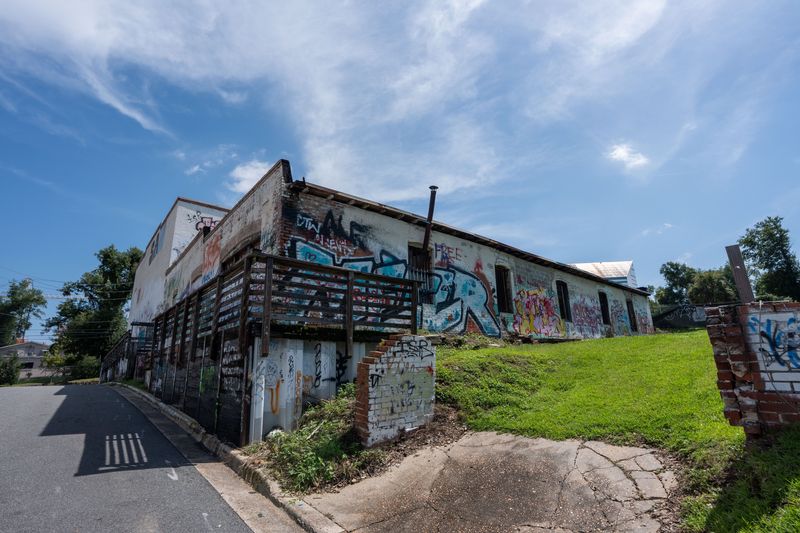
As for surprises, sometimes the best ones have been there all along, which leads us to an abandoned building on St. Francis Street in Tallahassee. Recently Mark Hinson wrote in these pages about the Wahnish Cigar Factory, a two-story brick structure which was built between 1905-07 and entered into the National Register of Historic Places in 2018.
That building has had several lives since, most notably as a version of the Cow Haus, the music venue that welcomed acts as varied as blues legend R. L. Burnside, Levon Helm, Bobby Keys, pop rocker Jonathan Richman, and Bow Wow Wow, the English New Wave band.
The builder of the factory was Abraham Wahnish (1871-1930), a Sephardic Jewish immigrant from Spain via Morocco who arrived when shade tobacco dominated the economies of Leon and Gadsden counties. Now the Wahnish Cigar Factory property has a date with the wrecking ball if the city gives a Tampa-based development group the right to raze the place and put cookie-cutter student apartments in its stead.
I get progress. I get capitalism—like you, I benefit from both every day. But I hate to see what Matthew Arnold called a world “which seems / To lie before us like a land of dreams, / So various, so beautiful, so new” turn into one that continues to replicate itself in drab and humdrum ways.
A recent article in The New York Times called “The Rise of Fashion Slop” recounts how algorithms lead us all to buying the same clothes. Not long after and in that same paper, a Times food writer remarked on an epidemic of sameness that is moving that diverse city’s restaurant menus toward a troubling monotony.
There’s even an entire book, Kyle Chayka’s “Filterworld: How Algorithms Flattened Culture”, which argues that recommendation engines like Spotify, Netflix, Instagram, and TikTok push culture toward sameness in every area from coffee-shop aesthetics to bedroom-pop music production.
Here in Tallahassee, the streets used to be lined with stately homes that were demolished to create a downtown that is, shall we say, somewhat less than totally captivating.
Can’t we keep one little corner of it funky?
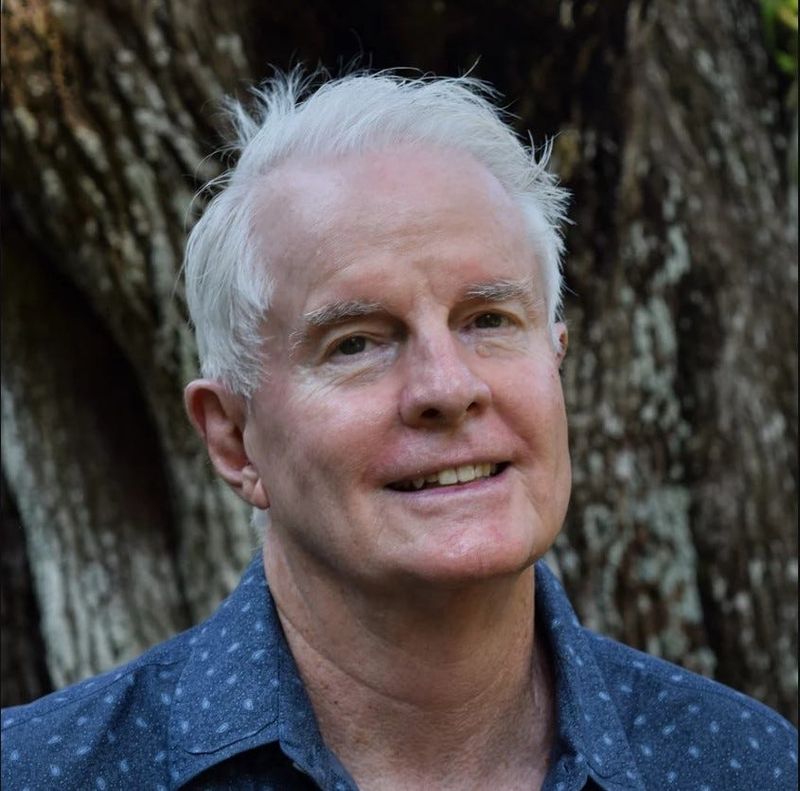
David Kirby teaches English at Florida State University.
JOIN THE CONVERSATION
Send letters to the editor (up to 200 words) or Your Turn columns (about 500 words) to letters@tallahassee.com. Please include your address for verification purposes only, and if you send a Your Turn, also include a photo and 1-2 line bio of yourself. You can also submit anonymous Zing!s at Tallahassee.com/Zing. Submissions are published on a space-available basis. All submissions may be edited for content, clarity and length, and may also be published by any part of the USA TODAY NETWORK.
This article originally appeared on Tallahassee Democrat: Don’t raze the rhythm: Why that Wahnish cigar site matters | Opinion
Reporting by David Kirby, Your Turn / Tallahassee Democrat
USA TODAY Network via Reuters Connect
By David Kirby, Your Turn | USA TODAY Network