PANAMA CITY — With the 250th birthday of the United States coming up, many are discussing the fight for independence, but some may be unaware that the Revolutionary War also touched Bay County.
Florida’s history before becoming a part of the United States in 1821 is a bit messy and some could say full of intrigue. It includes shifting colonial powers, pirates, wild cattlemen, and clashes with indigenous peoples.

At the time of the Revolutionary War, Florida was split into two different territories and wasn’t a part of the 13 colonies fighting for independence. Many Floridians considered themselves British subjects up until the territory was ceded to the United States.
Local historian Bob Hurst is set to discuss this history during a program at the Bay County Public Library, 898 W 11th St. in Panama City, on May 26 at 6 p.m.
“The day that the revolution came here was Oct. 1, 1778,” Hurst said. “It involved seven loyalists in his majesty’s service, two of them were (enlisted) in Pensacola, and the other ones were loyal Creek Indians.”
The group was returning from an expedition to St Augustine when they made their way to Bay County, and Hurst said the tale involves conflicting loyalties and accusations of treason.
St Augustine had been under invasion by the Americans, with the expedition heading there to assist the crown. On their way back, they took a shortcut through what is now Bay County and boarded a vessel at the mouth of the Choctawhatchee river.
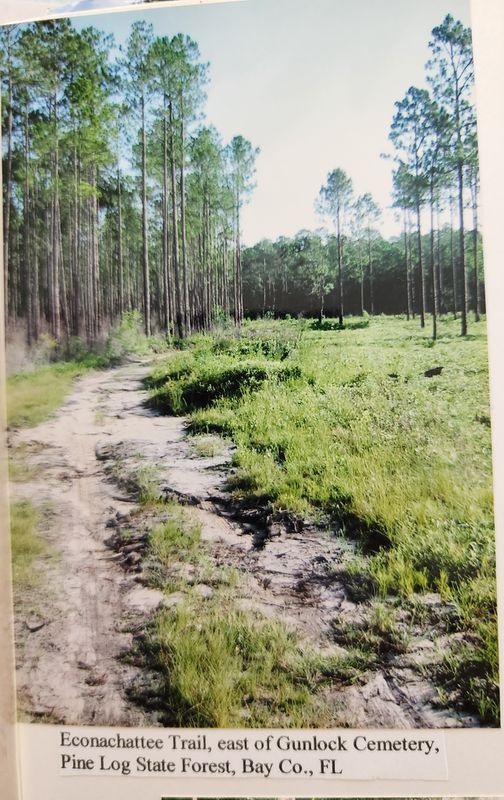
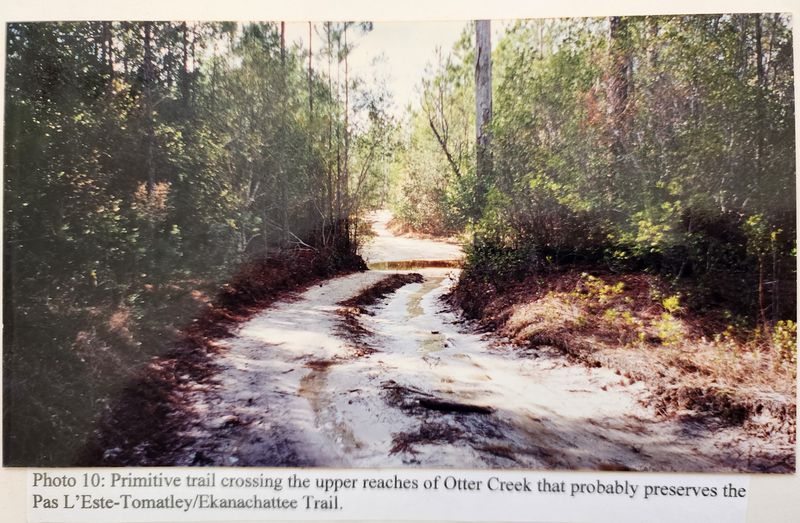
Hurst said the area was in important trade route for the British at this time. The indigenous traders had constructed a trading path, of which segments still exist today. Photos of the remaining segments will be shown during his talk.
“The Indian path was turned into a pioneer trail, and then it became a graded road, then it’s more of a logging road in the 20th century,” Hurst said. “Most of the early roads took the path of least resistance, and that was natural.”
In 1778, there was a trading post in what is now Bay County. The British would trade various goods to indigenous peoples, primarily for deer skins.
Hurst said the post traded 23 items, including rum, red paint, guns, glazed beads and scissors. The natives tended to side with the British because the Americans wanted to seize their land, whereas the British wanted to trade, according to Hurst.
The post was manned by a man named Mr. Gough, although Hurst was unable to find his first name.
Hurst started his research on the Revolutionary War in Bay County in 2002, and said that readers who would like more insights on the period should attend his program. Capacity is limited to 100, so readers might want to arrive early to ensure they get a seat.
Readers interested in how the Revolutionary War affected local history might also be interested in previous News Herald coverage of former Georgia Gov. John Clark, who served in the conflict and is generally accepted to be the first European settler at St Andrews.
This article originally appeared on The News Herald: Bay County’s hidden Revolutionary War story set to be revealed
Reporting by Dylan Gentile, Panama City News Herald / The News Herald
USA TODAY Network via Reuters Connect