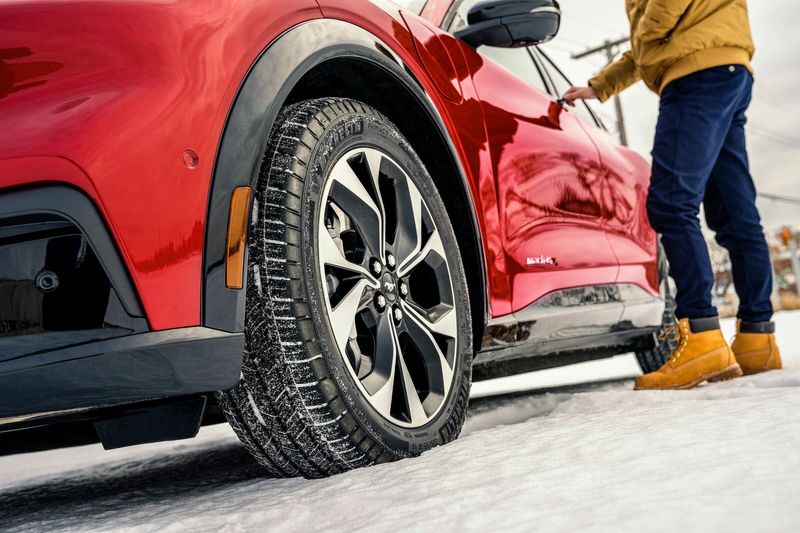
Ford Mustang Mach-E in the snow
Home » News » Local News » Michigan » What is the best drivetrain for driving in snow?
Michigan

What is the best drivetrain for driving in snow?

Winter driving can be tough depending on the vehicle you drive. Specific drivetrains work differently when taking on snow covered roads and each of them has pros or cons.  

While all-wheel drive and four-wheel drive may be viewed as the most popular options, front-wheel drive can still be viable with winter tires. Even rear-wheel drive with winter tires can work effectively, though it will take more effort when driving compared with other drivetrains. 

Video Thumbnail

If you were wondering what to choose among four-wheel, all-wheel, front-wheel or rear-wheel drive, here are some pros and cons for each option during the winter. 

All-wheel drive 

All-wheel drive is the jack of all trades when it comes to drivetrain layouts. Power is sent to all four wheels when needed by a center differential. Some vehicles have the option to switch between AWD and 2WD in the drive mode settings.  

AWD can handle itself fairly well on regular tires in the winter. But if you really want to maximize this drivetrain’s capability, then AWD with all season tires will make winter driving much easier.

Four-wheel drive or 4×4 

Four-wheel drive, or 4×4, is mostly found on pickup trucks and SUVs. This platform works by sending power to all four wheels, but can be customized by the driver depending on the scenario or terrain they are driving.  

2H (2 High) is the standard mode many 4WD vehicles start in for regular conditions and 4A (4 Automatic) or 4H (4 High) is best for muddy or snowy roads. While the most extreme mode, 4L (4 Low) is for deep snow and mud or serious off-roading. 

4×4 offers great torque on unplowed roads that lets them maneuver better than AWD in the snow.  

Front-wheel drive 

Front-wheel drive is one of the most common drivetrains found in regular vehicles. Since it’s usually cheaper than AWD and 4WD, it’s commonly used for sedans and many smaller SUVs. The power in these cars is sent to the front wheels and is fairly easy to handle since most of the average vehicle’s weight is toward the front. 

Rear-wheel drive 

Out of all of the drivetrain options, rear-wheel drive is the one you may want to avoid during the winter. RWD sends the power to the rear wheels and is more performance oriented. Without proper winter tires, RWD in the winter can be difficult, especially if you don’t have much experience driving these types of cars in snowy conditions. Fishtailing awaits you.

So what should I choose? 

The type of drivetrain you choose for your vehicle will depend on where you live and how you drive.  

If you are in an area with little to no snow, then you may not need AWD or 4WD at all. For areas with a moderate amount of snow during the winter then you should consider AWD or 4WD over 2WD, but FWD is better than RWD for winter driving. For areas with intense snow, then AWD and 4WD are your best bets. 

No matter which drivetrain you go with, a good set of winter tires will make for safer driving during the cold season.

This article originally appeared on Detroit Free Press: What is the best drivetrain for driving in snow?

Reporting by Keenan Thompson, Detroit Free Press / Detroit Free Press

USA TODAY Network via Reuters Connect
Image

Related posts

Leave a Comment

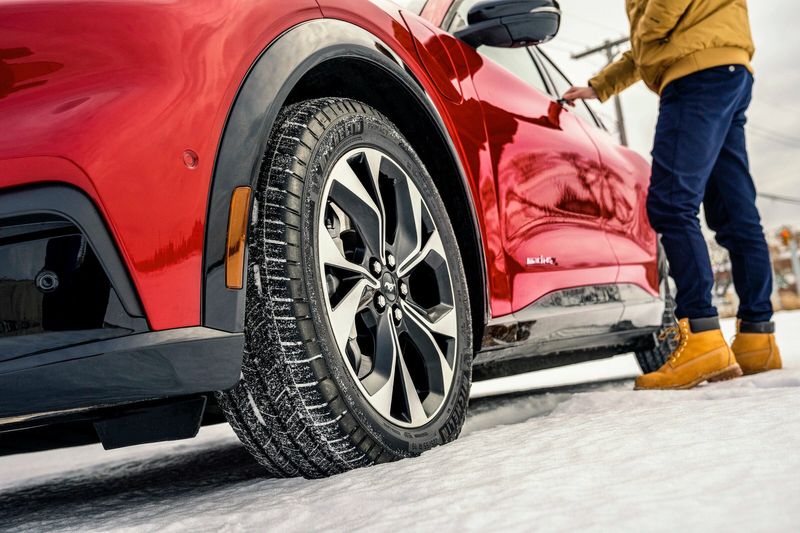
Ford Mustang Mach-E in the snow
Home » News » Local News » Michigan » What is the best drivetrain for driving in snow?
Michigan

What is the best drivetrain for driving in snow?

Winter driving can be tough depending on the vehicle you drive. Specific drivetrains work differently when taking on snow covered roads and each of them has pros or cons.  

While all-wheel drive and four-wheel drive may be viewed as the most popular options, front-wheel drive can still be viable with winter tires. Even rear-wheel drive with winter tires can work effectively, though it will take more effort when driving compared with other drivetrains. 

Video Thumbnail

If you were wondering what to choose among four-wheel, all-wheel, front-wheel or rear-wheel drive, here are some pros and cons for each option during the winter. 

All-wheel drive 

All-wheel drive is the jack of all trades when it comes to drivetrain layouts. Power is sent to all four wheels when needed by a center differential. Some vehicles have the option to switch between AWD and 2WD in the drive mode settings.  

AWD can handle itself fairly well on regular tires in the winter. But if you really want to maximize this drivetrain’s capability, then AWD with all season tires will make winter driving much easier.

Four-wheel drive or 4×4 

Four-wheel drive, or 4×4, is mostly found on pickup trucks and SUVs. This platform works by sending power to all four wheels, but can be customized by the driver depending on the scenario or terrain they are driving.  

2H (2 High) is the standard mode many 4WD vehicles start in for regular conditions and 4A (4 Automatic) or 4H (4 High) is best for muddy or snowy roads. While the most extreme mode, 4L (4 Low) is for deep snow and mud or serious off-roading. 

4×4 offers great torque on unplowed roads that lets them maneuver better than AWD in the snow.  

Front-wheel drive 

Front-wheel drive is one of the most common drivetrains found in regular vehicles. Since it’s usually cheaper than AWD and 4WD, it’s commonly used for sedans and many smaller SUVs. The power in these cars is sent to the front wheels and is fairly easy to handle since most of the average vehicle’s weight is toward the front. 

Rear-wheel drive 

Out of all of the drivetrain options, rear-wheel drive is the one you may want to avoid during the winter. RWD sends the power to the rear wheels and is more performance oriented. Without proper winter tires, RWD in the winter can be difficult, especially if you don’t have much experience driving these types of cars in snowy conditions. Fishtailing awaits you.

So what should I choose? 

The type of drivetrain you choose for your vehicle will depend on where you live and how you drive.  

If you are in an area with little to no snow, then you may not need AWD or 4WD at all. For areas with a moderate amount of snow during the winter then you should consider AWD or 4WD over 2WD, but FWD is better than RWD for winter driving. For areas with intense snow, then AWD and 4WD are your best bets. 

No matter which drivetrain you go with, a good set of winter tires will make for safer driving during the cold season.

This article originally appeared on Detroit Free Press: What is the best drivetrain for driving in snow?

Reporting by Keenan Thompson, Detroit Free Press / Detroit Free Press

USA TODAY Network via Reuters Connect

Image

Related posts

Leave a Comment