This story has been updated with additional information.
Metro Detroit residents are bracing for higher water and sewer bills this year after the Great Lakes Water Authority, or GLWA, approved the largest system-wide service charges in over a decade. The rate hike was part of a budget approval with the authority’s board of directors.

At a meeting on Wednesday, the six-member GLWA board unanimously voted to increase system charges by an average of 5.9% for wholesale water and 4.5% for wastewater for the 2026 fiscal year. The new rates, effective July 1, coincide with the expiration of a cap that limited increases to 4% or less annually.
GLWA’s fiscal year 2026 budget is $954 million — up about $48 million from the year prior. Debt service, operations and maintenance comprise a majority of the budget. Inflation related to chemicals, utilities and service costs, along with initiatives to address corrosion control, flooding and service pipe replacement are some of the factors GLWA attributed to rising rates.
“We understand that this charge increase will have an impact on our member partners, and in turn the residents of the communities we both serve,” said Nicolette Bateson, chief financial officer and treasurer in a news release. “No one wants to implement charge increases,” she said, noting the rate hikes were essential to “responsibly manage and maintain the regional system.”
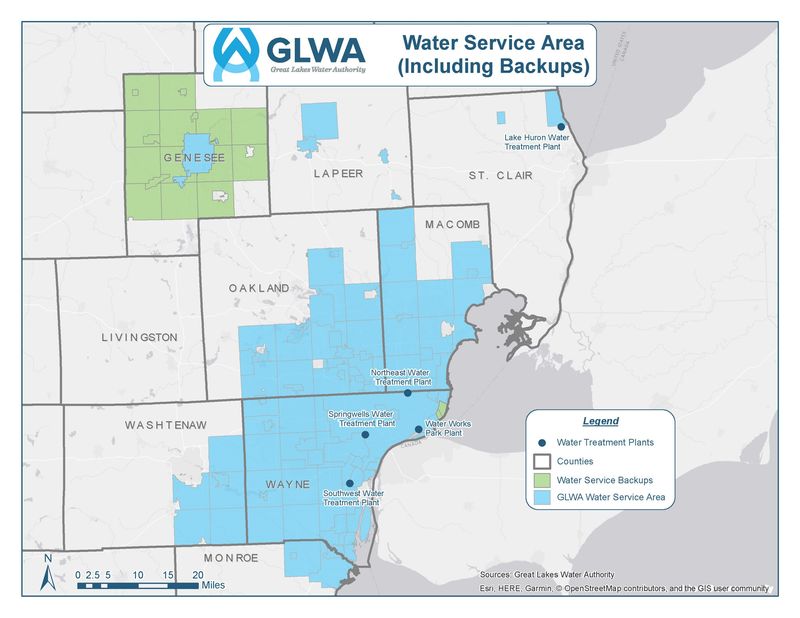
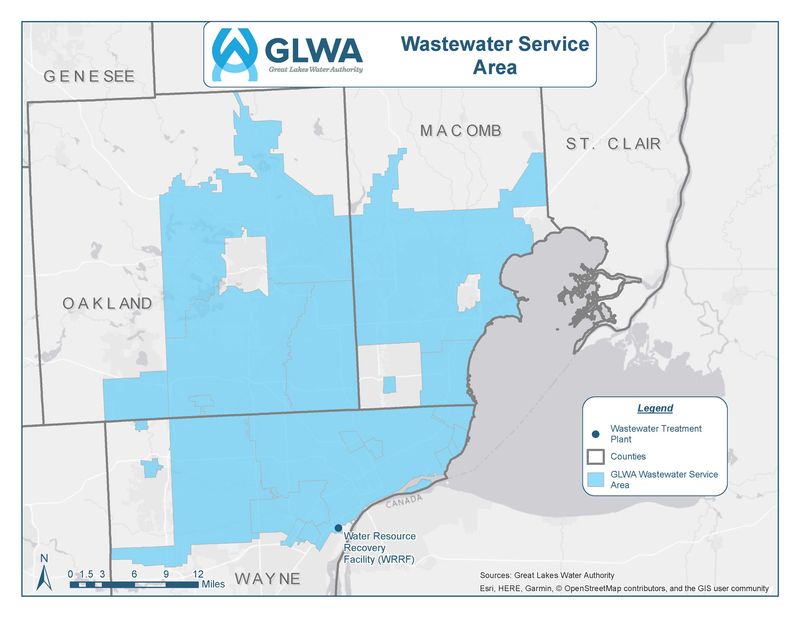
GWLA has 88 member partners who provide water services to approximately 115 communities and 19 on the sewer side of the business serving 79 communities in southeast Michigan.
Regarding water rates, GLWA sets unique charges by community based on several attributes, including usage, distance from water sources and elevation. Communities with local water storage capacity may also experience cost savings. Local water authorities or governments then set their rates for businesses and residents.
“There are many factors that determine water rates for residents and businesses in Sterling Heights,” Melanie Davis, spokesperson, said in an email on behalf of the city, “including the water rates set by the GLWA, sewer costs from Macomb County Public Works, volumetric expectations and city operational expenses.”
The city’s finance office is “still in the process of evaluating all of these factors to determine the proposed water rates for Sterling Heights residents and businesses for the upcoming fiscal year.”
Bryan Peckinpaugh, public affairs director at the Detroit Water and Sewerage Department, told the Free Press in an email that the department plans to roll the wholesale increase approved by GLWA into its customer rate structure and “continue our commitment of not increasing rates for Detroit water and sewer customers no more than 4%, pending Board of Water Commissioners approval this spring.”
For residents in the GLWA service area under the operation and maintenance of the Oakland County Water Resources Commissioner’s Office, “customers will see changes in their water and sewer bills as rates adjust to support necessary operational and infrastructure improvements,” said Commissioner Jim Nash.
“Since rates vary by community, the impact will be different for everyone,” Nash said.
Contact Kristi Tanner: ktanner@freepress.com
This article originally appeared on Detroit Free Press: Water, sewer rates on the rise for southeast Michigan communities
Reporting by Kristi Tanner, Detroit Free Press / Detroit Free Press
USA TODAY Network via Reuters Connect