This story has been updated with new information.
While traveling through Michigan this summer, you may notice locations with names that sound more like they belong in France, rather than an American state.

The area that became present-day Michigan once was settled by French immigrants beginning in the 17th century, including Catholic missionaries and fur traders, according to Northern Michigan University. They established settlements like Fort Michilimackinac in present-day Mackinaw City and Fort Pontchartrain du détroit in present-day Detroit, and engaged with Indigenous peoples.
“More than three centuries ago, Europeans from France came to the Great Lakes region. They made the long trip across the Atlantic for many reasons,” Central Michigan University’s Clarke Historical Library stated. “Merchants came for fur. Missionaries came to convert Native Americans to Christianity. Soldiers came to forward the French government’s agenda. All three groups of Frenchmen interacted with the Native Americans already living in the region, often hoping to achieve very different ends.”
While that era is long gone, Michigan’s French influence remains, most notably in place names: Cities, roads, rivers, lakes and counties maintain French-language names, including Detroit, Au Sable and Charlevoix among others.
Here’s what to know about a few of Michigan’s French names.
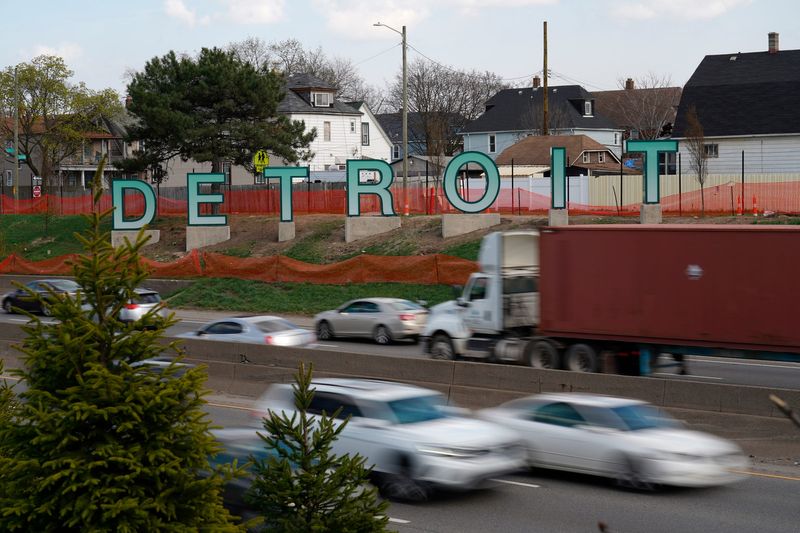
How did Detroit get its name?
The city’s name comes from the French word détroit, meaning strait.
French settler Antoine de la mothe Cadillac, a prominent military leader and trader who lent his name to a car brand, established Fort Pontchartrain du détroit in present-day Detroit in 1701, according to the Detroit Historical Society.
The area’s Indigenous names include the Anishinaabe name Waawiiyaataanong, meaning where the river bends.
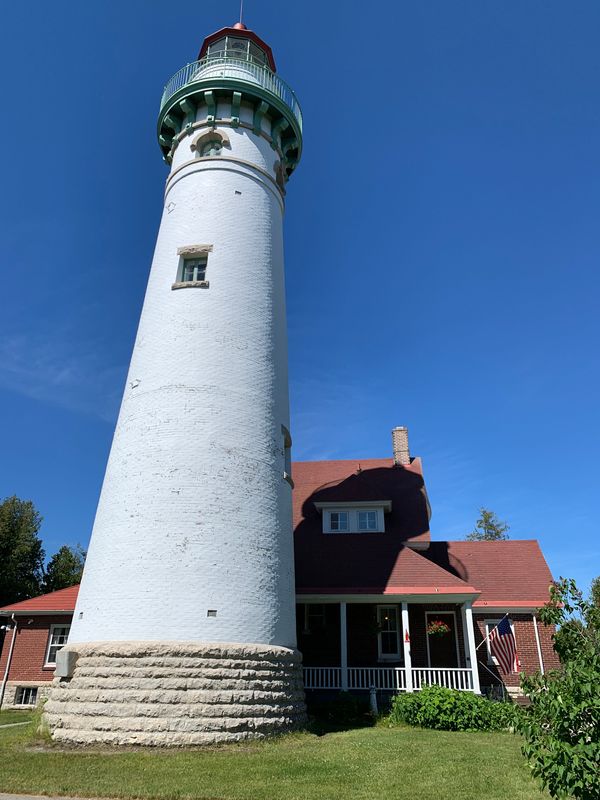
Seul Choix Pointe offers safe harbor on Lake Michigan
This lighthouse near Gulliver in Michigan’s Upper Peninsula has a French influence.
The name is French for only choice, chosen because the small cape that juts into Lake Michigan and curls to the east offers some of the only protection from storms blowing from the west.
Potential origins could also trace to the Ojibwe word Shashoweg, meaning straight line, Seul Choix Lighthouse Friends notes.
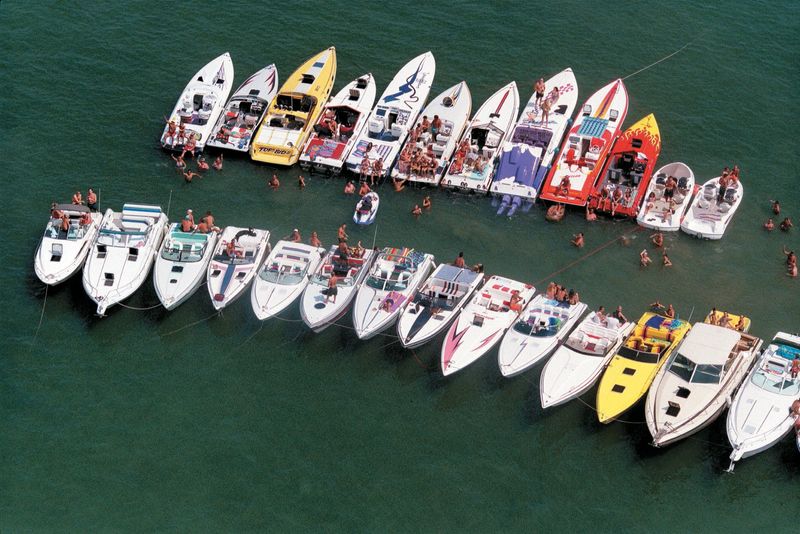
Lake Saint Clair offers waterfront recreation in metro Detroit
Lake St. Clair sits between Lake Huron and the Detroit River along the coast of southeast Michigan, coined the heart of the Great Lakes, according to the Michigan Department of Environment, Great Lakes, and Energy.
The name comes from the French Lac Sainte-Claire, named by French explorers in 1679, per the Historical Marker Database. The group’s arrival in the area coincided around the feast day of St. Clare of Assissi, leading them to choose the name, Lighthouse Friends says.
Charlevoix owes name to explorer
The name for a northern Michigan town and county is after French settler Pierre François Xavier de Charlevoix, a Jesuit priest, according to the Charlevoix Historical Society. He traveled near present-day Charlevoix city while searching for the Pacific Ocean in the early 18th century.
The county was previously called Keshkauko, after an Ojibwe chief from the Saginaw Bay.
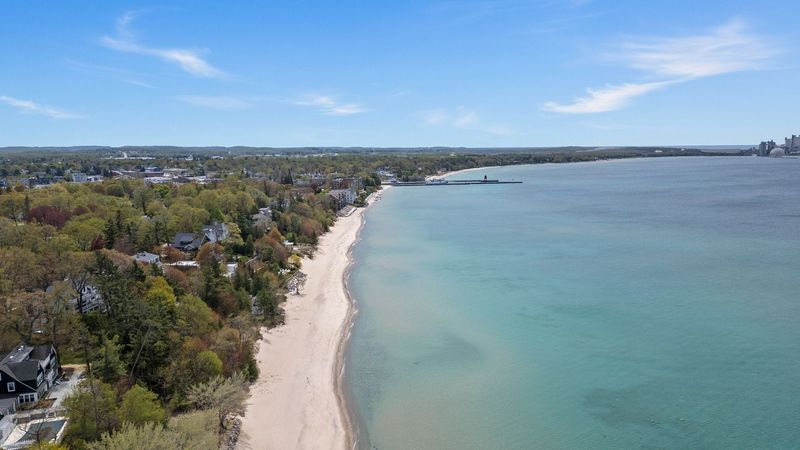
L’Anse nestles into bay on Lake Superior
The village of L’Anse borders the L’Anse Bay, leading into the Keweenaw Bay and Lake Superior.
The French name translates to the bay or the cove, in reference to its position on Keweenaw Bay.
Take a drive down Livernois Avenue
In Detroit, a prominent road holds another French name.
Livernois Avenue is named for French settler François Benoit dit Livernois, an 18th century farmer, Livernois family history says.
Tour Great Lakes shipping locks in Sault Ste. Marie
This city in the eastern Upper Peninsula offers prime viewing of the Soo Locks and sits on an international border with Canada.
The French-origin name comes from Sault de Sainte Marie, meaning the rapids of Saint Mary, according to the Sault Ste Marie Visitors Bureau. French settler Jacques Marquette, a Jesuit missionary, named the area in 1668, pulling from the region’s rapids and Mary the mother of Jesus, a key figure in the Catholic faith.
The area’s Indigenous name is Baawating, meaning the place of the rapids, per Tourism Sault Ste. Marie in Ontario.
Bete Grise in the Keweenaw Peninsula named for ‘singing’ sand
This area lies along the northeastern coast of the Keweenaw Peninsula on Lake Superior in Michigan’s Upper Peninsula.
The French name translates to gray beast, according to Visit Keweenaw. The name comes from the the bay’s white sand, known to sing when pressed down with the palm of your hand or to bark when struck, local tradition says. The area was previously known as Baie de Gres, French for Sandstone Bay.
The Indigenous name is Baghidawiiing, meaning the bay where nets are set.
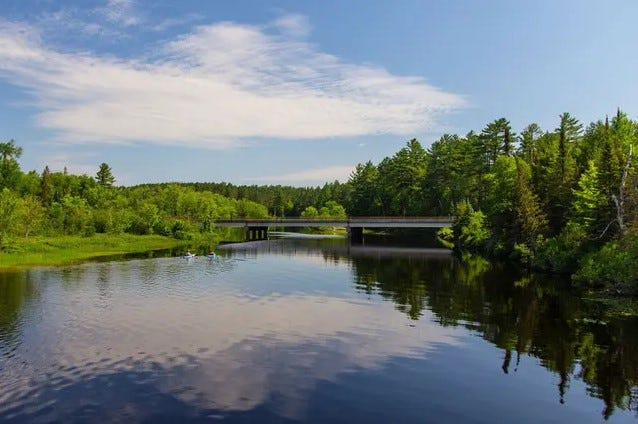
Au Sable River runs across northern Michigan
This northern Michigan river, running 138 miles from Grayling to Oscoda, is the nation’s best for fly fishing, according to USA TODAY readers.
The French name means river of sand or sand river, chosen for its sandy environment, the Michigan Department of Natural Resources says.
Explore local history in Gros Cap
This area west of St. Ignace features historic sites and nature preserves along the coast of Lake Michigan in the Upper Peninsula.
The French name translates to big cape, named by Canadian travelers as the high area appears to jut out from the shore when viewed from the lake, per the North Country Trail Association.
Indigenous names for the area include Gichi-Neyaaganiing, meaning place of the big headland or cape, and Nednong, or high place.
Montmorency County offers quiet towns, outdoors recreation
This county in the northeastern Lower Peninsula features parks, trails, historic settlements, inland lakes and reservoirs, with opportunities for fishing, hunting, snowmobiling, golfing, ATV & ORV activities, boating, swimming and more, the Alpena Area Visitor Bureau says.
The French-origin name, originally spelled montmorenci, is believed to be a reference to Henri II, the French Duke of Montmorency, who bought a lieutenant governorship in Canada, and François de Montmorency-Laval, Canada’s first Catholic bishop, according to the County of Montmorency.
The area was previously called Cheonoquet County after the Chippewa Chief, also known as Quitchonequit or Big Cloud.
Epoufette offers stop near Cut River Bridge in U.P.
Just west of the famed Cut River Bridge along U.S. 2 in Michigan’s Upper Peninsula is Epoufette.
The crossroad’s name mean’s place of rest, according to various sources, including the unincorporated community’s welcome sign.
Near Pictured Rocks, find harbor at Grand Marais
At the east end of Pictured Rocks National Lakeshore, Grand Marais offers restaurants, lodging, a marina and more.
The name is French for big marsh, which, the Grand Marais Chamber of Commerce notes, is puzzling because there is no marsh nearby.
“Historians believe that French mapmakers confused ‘marais’ with another, similar-sounding word found on old maps, ‘maré,’ which means ‘sheltered body of water.’ The early voyageurs definitely sheltered here on their way to the western end of Lake Superior,” the chamber says.
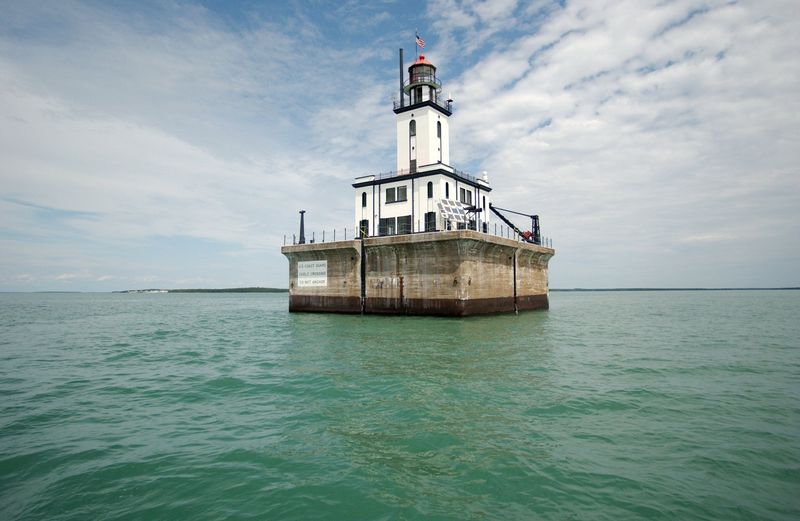
DeTour village is where to watch freighters pass
The village is nestled on the western shore of the St. Mary’s River, where freighters and private vessels alike pass by.
“Since ships and canoes made a turn to go west to Mackinac or southeast to Detroit, the name DeTour was given, which means, in French, ‘the turn,'” the village says on its website.
The Chippewa name for this area is Giwideonaning, meaning point which we go around in a canoe.
The Lansing State Journal contributed.
Contact Jenna Prestininzi: jprestininzi@freepress.com.
This article originally appeared on Detroit Free Press: These Michigan places have French names. How they got them
Reporting by Jenna Prestininzi, Detroit Free Press / Detroit Free Press
USA TODAY Network via Reuters Connect