At International Baccalaureate (IB) schools across Michigan and around the world, students take on academic challenges that ask more of them than memorization or test taking. IB students learn to analyze complex problems, write and speak with clarity, collaborate across differences, and take responsibility for their own learning. They do this work not because it is easy, but because it prepares them for college, careers, and community engagement. When students advocate for the fair recognition of their efforts, we believe it is the responsibility of all us to elevate their voices.
Across the state, students who complete rigorous IB coursework and earn qualifying exam scores often face a confusing reality when they apply to college. Some institutions award postsecondary credit generously and transparently. Others apply different standards, limit credit by department, or deny it altogether. The result is inconsistency that leaves families guessing, students frustrated, and schools struggling to explain why the same achievement can be valued so differently depending on where a student enrolls.

IB courses are externally assessed, internationally benchmarked, and widely recognized as college level work. Universities across the country and around the world grant credit for IB exams because they trust the rigor of the program and the preparedness of its graduates. When Michigan colleges do the same, they are acknowledging work that has already been done at a high level. This is the opposite of lowering standards.
A resolution to be introduced in the Michigan Legislature on March 4 encourages colleges and universities to adopt a more consistent approach to awarding postsecondary credit for IB coursework. It respects institutional autonomy while affirming a shared goal of fairness, transparency, and opportunity for students. It also sends a powerful message that Michigan values academic excellence and wants to make the transition from high school to college as fair as possible.
What makes this moment especially meaningful is who is leading the conversation.
Students from across the state are traveling to Lansing to speak with legislators, share their experiences, and explain why this issue matters to them. They are asking for consistency and recognition of the work they have completed. They are learning firsthand how respectful advocacy can lead to constructive dialogue. They seek no special treatment. They simply want their voices to be heard and to advocate for meaningful change that benefits all involved.
When students stand to speak for themselves, they embody the very skills and values we aim to cultivate.
We also want to recognize the legislators who are listening. By engaging with students and educators and supporting a resolution that encourages thoughtful policy alignment, lawmakers are demonstrating that education remains a bipartisan priority. They are acknowledging that preparing students for success after high school is a shared responsibility and that clarity in postsecondary credit benefits not only students, but institutions and Michigan communities as well.
Consistent credit policies save families time and money, reduce duplicate coursework, and help families plan more effectively for college. Such policies can also strengthen Michigan’s higher education system and state economy by signaling that the state values rigorous preparation and wants to attract and retain motivated students. When expectations are clear, everyone benefits.
This conversation is about how we recognize academic achievement and how we support students who challenge themselves. It is about aligning K-12 with higher education systems so that effort and achievement are met with opportunity, not uncertainty.
We are proud of our students for raising their voices thoughtfully and respectfully. We are grateful to the legislators who are working with them and to the colleges and universities that already recognize IB coursework consistently across the US, and globally. We hope this resolution will encourage continued dialogue and progress across the state.
Michigan’s students are doing their part. They are studying hard, thinking critically, and engaging civically. As educators and leaders, we believe the least we can do is ensure that their achievements are met with fairness, clarity, and support. When students advocate for themselves and policymakers listen, it strengthens not only our education system, but our communities as well.
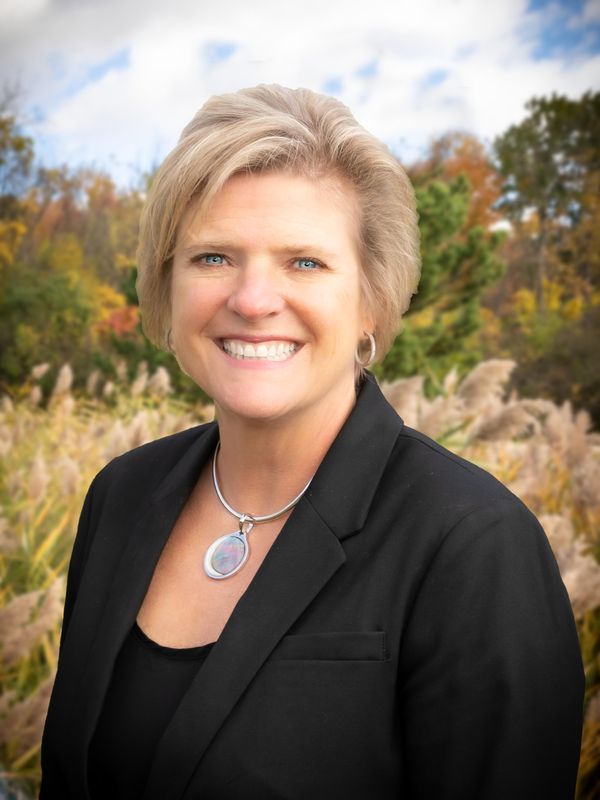
Lynne Gibson is vice president of the International Baccalaureate Schools of Michigan and head of school for the International Academy in Bloomfield Hills.
This article originally appeared on Lansing State Journal: Student advocacy for college credit deserves our support
Reporting by Lynne Gibson, For the Lansing State Journal / Lansing State Journal
USA TODAY Network via Reuters Connect