Saline Township — Sam Altman, CEO of OpenAI, said the company’s planned hyperscale data center near Ann Arbor could become a model for how artificial intelligence companies work with local communities as the industry faces growing scrutiny over energy and water consumption.
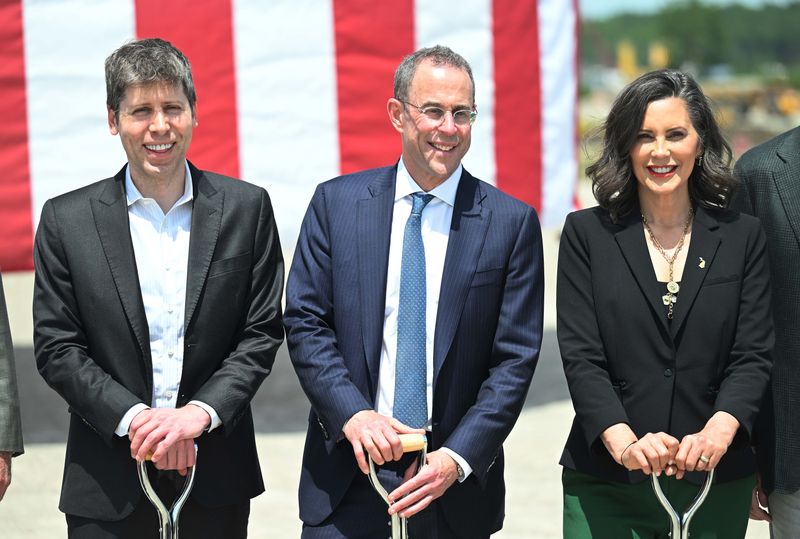
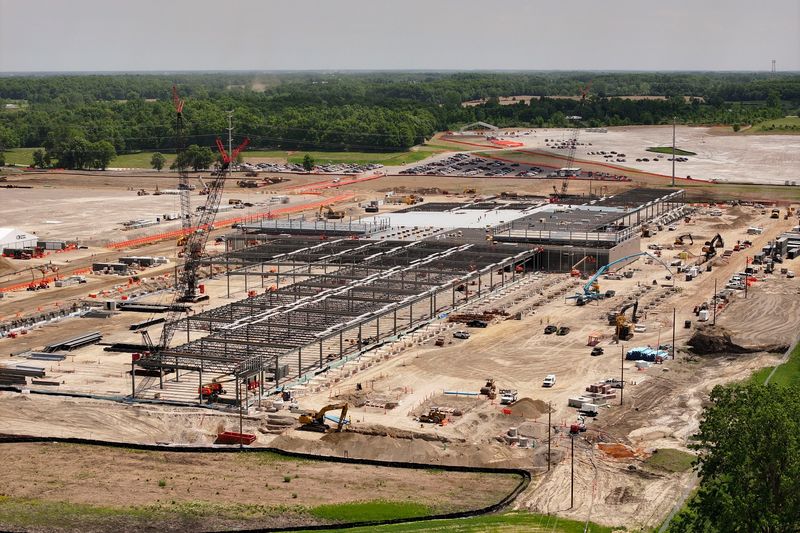
Altman visited the site of the data center his company is constructing on Monday in Saline Township, a small farming community in Washtenaw County, along with executives from Oracle, real estate developer Related Digital and the Detroit-based construction management firm Walbridge. The companies hosted a celebration of the facility, which they are calling The Saline Barn, at the construction site.

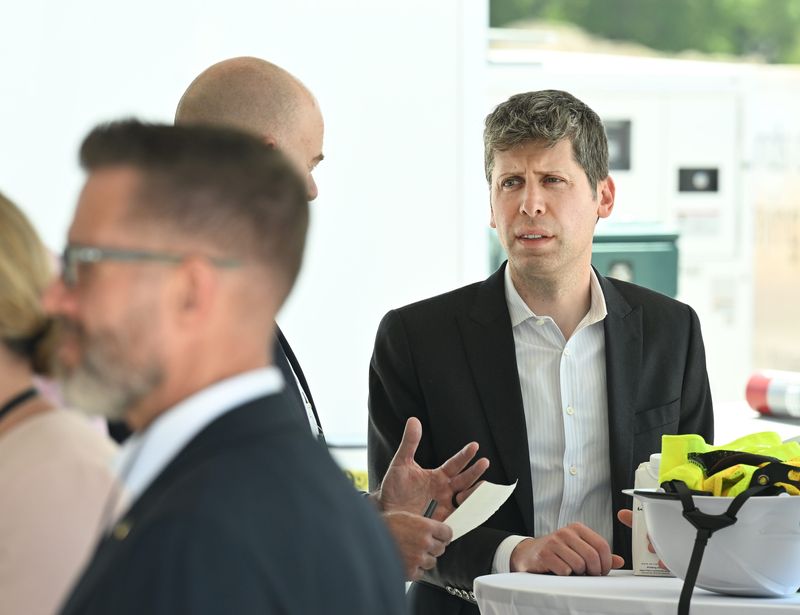
Speaking with the Detroit News after the event, Altman said OpenAI hopes the project shows large-scale AI infrastructure can be built while addressing community concerns.
“I hope this can be a real template for how we engage with future communities,” Altman told The News. “We want to build data centers in places where they’re welcomed, and the community is excited about it. We have heard from the community here about the need to protect ratepayers for electricity prices, the need to be responsible with water … and the need to be a supportive partner in a community with union jobs, supporting local institutions, and sort of just being a good neighbor, more generally, but I hope that the community will say this was so wonderful. We think every community in the country should try to get one of these.”
When asked whether he would do anything differently about the team’s initial approach in the Washtenaw County community, Altman said he was sure there would be lessons learned, although he did not identify any specific changes.
“I’m sure there are things we will do differently, and we will learn from,” Altman said. “We’re going to have a debrief meeting with the community now that things are going, pretty soon, and I’m sure there will be feedback.”
Altman stressed that the project’s design is intended to address two of the biggest concerns surrounding data centers: electricity demand and water consumption. He said the facility is not expected to increase energy costs for residents and will use a closed-loop water system designed to limit water usage.
Altman said he doesn’t think about the physical infrastructure behind OpenAI’s ChatGPT when he uses it, noting that he simply opens the app and asks questions like billions of other users around the world. He said it takes large-scale computer warehouses like the Saline Township data center to process all of the data behind the artificial intelligence of a chatbot.
“We want the world to be able to use a ton of AI,” Altman said. “Scientists, to be able to use it to cure diseases, as I mentioned, but also ChatGPT and all the businesses that are running on it. And this is really what it takes. So we want to find a way where we can enable the world with this new utility that I think will be like electricity and just used all throughout life in a way that’s really important to us, and make huge projects like this really work for the communities.”
OpenAI and Oracle have said they are investing $16 billion in the Saline Township data center, with a total footprint of 250 acres and an expected energy use of 1.4 gigawatts, roughly the power demand of 1 million homes.
As for future data centers, Altman said OpenAI has no immediate plans for additional hyperscale facilities in Michigan, though he said the company would welcome the opportunity to expand in the state as its business grows.
“This is a huge and expensive project,” he said. “We need to grow our business more, but yeah, we’d love to be able to do more in the future.”
Altman said Michigan’s skilled trades workforce and experience with large-scale industrial projects make it an attractive location for future data centers, but energy availability is a factor.
“We have heard the feedback on don’t build these in places where it’s going to impact energy prices,” he said. “A great thing about the situation here is that by adding this BESS system we were able to do this, and there’s enough spare capacity that actually hopefully will drive rates down, but I think with other places it would depend on where we could find a good energy solution.”
The project is expected to create approximately 2,500 union construction jobs, officials said.
There will be about 450 permanent jobs once the center is up and running. Altman said that figure could grow after the company learns what it needs to operate data centers.
The Saline Township data center project was rife with controversy from the start. Township officials initially didn’t want it and denied a conditional rezoning request in September. Related Digital sued two days later, arguing the township used exclusionary zoning to prevent the sprawling tech development.
Saline Township leaders eventually relented, citing the pressure of protracted litigation. But when DTE Energy Co. sought the Michigan Public Service Commission’s approval to serve the data center facility, thousands of people wrote in opposition of the plan.
The Saline Township data center is the first OpenAI has built in the Midwest, Altman said Monday. As a Chicago native, he said visiting Saline Township felt like being home.
“My hope is this can be an example for the world, where the world can benefit incredibly from AI out of a data center like this and the local community can be thrilled with the decision and say ‘this is one of our shining examples of new industry and just great all-around,'” Altman said.
cwilliams@detroitnews.com
This article originally appeared on The Detroit News: Saline Twp. data center will be ‘template’ for future, Sam Altman says
Reporting by Candice Williams, The Detroit News / The Detroit News
USA TODAY Network via Reuters Connect