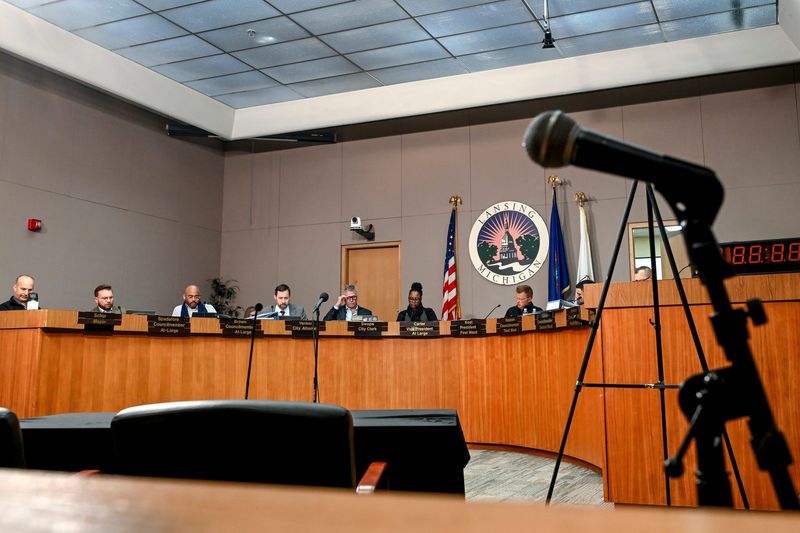
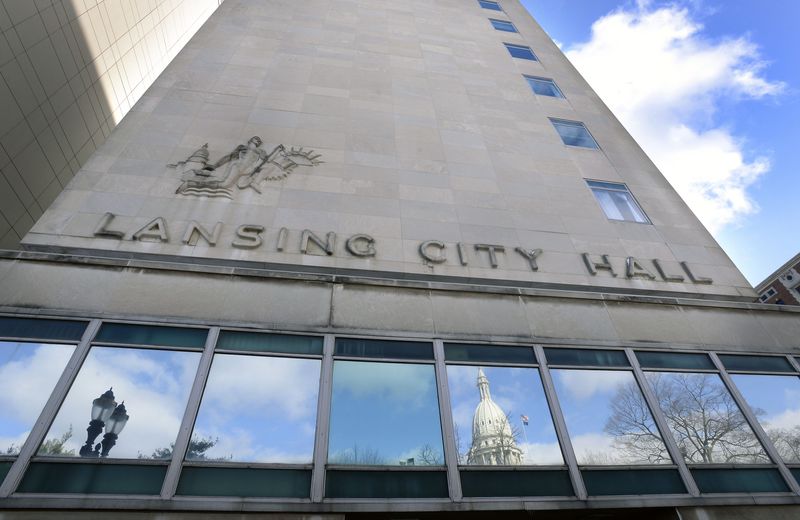
LANSING — The new year will bring new City Council members to Lansing, along with a new transparency tool, a new city ward and a new independent internal auditor.

Those changes, and more, are on the way because 66% of Lansing voters approved a new city charter during the November election. It’s the city’s first new charter since 1978.
The changes will take time, with some occurring quickly and others taking years to implement.
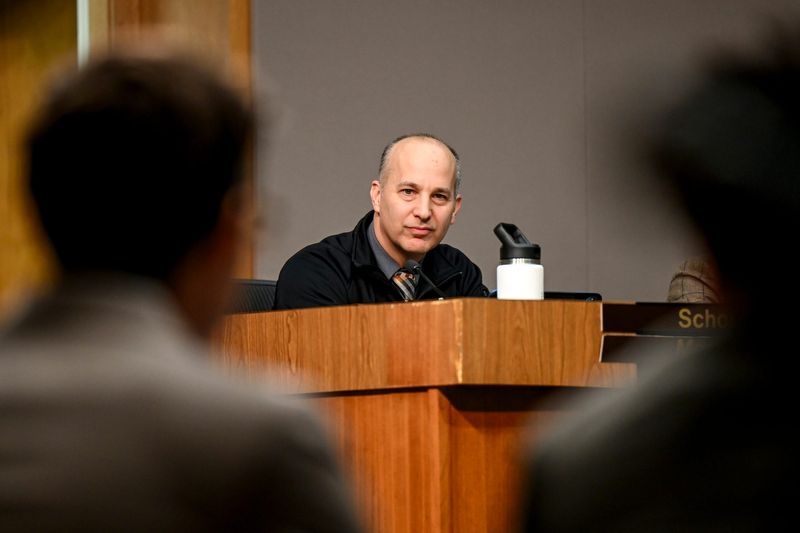
Brian Jeffries was the chair of the charter commission and is a former City Council member. He said the goal of the commission, which held 36 public meetings to gather residents’ feedback, was to create a governing document that was modern, workable for citizens and “full of transparency and accountability.”
“We didn’t turn the charter on its head and try to recreate the wheel,” he said of the commission’s work. “We listened to what people had to say, what their issues and concerns were, and that’s what we dealt with.”
Going forward, the city can pursue a charter every 16 years, up from the 12-year period under the current charter.
Here’s a look at some of the changes and additions that will take effect over the next weeks, months and years:
A bigger City Council and new city ward
The Lansing City Council will expand to nine members from the eight current seats, a change that will also increase the number of city wards to five from four. Jeffries said the commission spent considerable time looking at best practices for council sizes.
“We were looking for what’s the sweet spot for a city like ours,” he said. “And it was anywhere between seven to nine (councilmembers).”
The commission considered several different structures for the council, including all members representing different wards. Jeffries believes the new structure is best because it allows residents to vote for the mayor, city clerk, their ward representative and four at-large councilmembers, meaning they can have a say in picking the majority of the governing body.
Jeffries was an at-large council member from 2002 to 2013, including two years as council president. He said council members from wards tend to rightfully prioritize their section of the city but some issues are citywide. The new council makeup, he said, attempts to find the right balance in those perspectives.
The new charter also puts all elections for city offices — mayor, council and city clerk — on the same schedule. The current charter staggers the elections so the terms for members don’t start and end at the same time.
This change will be in effect in 2029.
More audits of city policies and spending
The new charter creates the Office of the Independent Internal Auditor.
An ordinance to create the office must be prepared by Mayor Andy Schor’s office in the first six months of the year, and be adopted by council within the first nine months, according to the charter. The current internal auditor’s office falls under the City Council’s oversight and Jeffries said it’s been underused, including when he was on the council.
The auditor must be a certified internal auditor and will be appointed by the mayor and a majority vote from the City Council. While the charter sets up a working relationship between the auditor and the city’s elected officials, it establishes its independence by stating that the mayor and City Council “shall not direct, supervise or interfere with” the auditor or their employees.
By July 1 of each fiscal year, the auditor will prepare a “risk-based audit plan” that includes recommended audits. The mayor and council, “after consultation with the Internal Auditor,” will then mutually agree on which audits to pursue.
Jeffries pointed to the State Journal’s reporting on lax oversight of the city’s employee-issued credit cards as one area the independent auditor could examine not just for misuse of funds, but for ways to strengthen polices and increase transparency.
The charter doesn’t dictate how many people will work in the office or how it will be funded, aspects that are likely to be addressed in the ordinance. If funded adequately, Jeffries said the office “has a lot of potential.”
Increased transparency of city revenue and debt
Among the transparency measures in the new charter is an online dashboard with details for the city’s taxes and debt obligations.
Jeffries said Lansing, like most municipalities, collects more than just property taxes.
“I think people will be surprised at what they see and I think it will give them a better understanding of how the city works,” he said.
The type and purpose for each tax or millage, along with the revenue generated during each fiscal year it’s imposed will be included, according to the new charter. For debt or bond obligations, the dashboard will include the type and purpose for each, along with amount, interest rate and maturity date, among other details.
An ordinance to create the dashboard must be prepared by Schor’s office in the first four months of the year, and be adopted by council within the first six months.
More public hearings if BWL wants to increase rates
Jeffries said the Lansing Board of Water & Light was among the most common topics that residents brought up during listening sessions and in public meetings. Those comments led to two changes that he said are intended to increase transparency and accountability.
The first is that BWL must hold two public meetings before any rate change, up from the single meeting required through the current charter. The meetings must be held at least 45 days before any change takes effect and be held “at different times of day to maximize the opportunity for public attendance,” according to the charter. BWL must also submit a statement explaining any new rate or change at least 60 days before the first public hearing.
The second change requires BWL’s general manager, or their designee, to hold hold at least one public meeting every three months “to interact with the public and ratepayers on the services provided.” The current charter doesn’t require any such meetings.
Jeffries said that Dick Peffley, the current BWL general manager, was “very agreeable” to the public meeting requirements.
A three-year strategic plan from the mayor
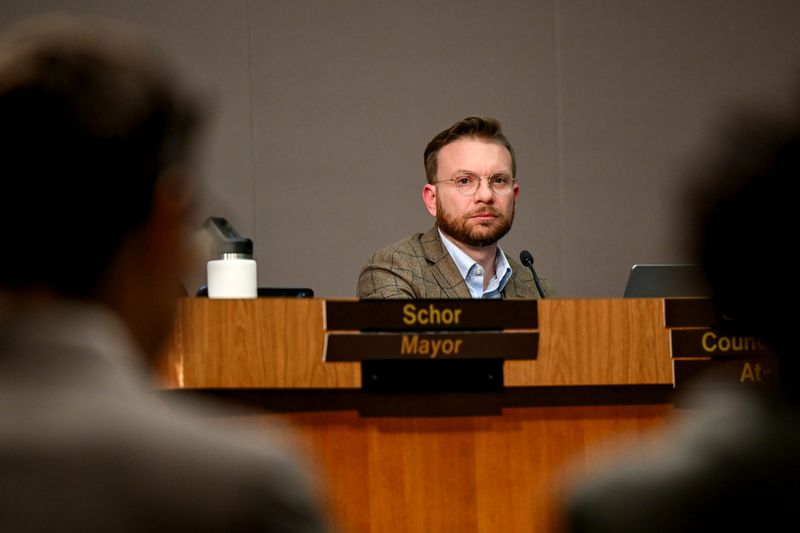
Schor, who was reelected in November to a third term, will be the first mayor under the new charter to present a three-year strategic plan for the city, a document that’s not required under the current charter.
The plan, which will be presented to the public and City Council, will provide “a vision, goals and objectives, and how progress will be measured,” according to the charter.
The plan must include “comprehensive data on and analysis of the City’s current situation,” including demographic, economic, environmental and regional trends, among other areas. The charter mandates “involvement of citizens, community organizations, local businesses, other government agencies, and internal staff,” as well as “detailed strategies and action plans” to achieve the goals and a system to measure and review process.
Jeffries said he believes this is could be “one of the most impactful” changes in the new charter, and that former Lansing Mayor David Hollister raised this idea during a listening session.
Contact reporter Matt Mencarini at mjmencarini@lsj.com.
This article originally appeared on Lansing State Journal: Lansing’s new city charter means major changes are coming. Here’s what to look for
Reporting by Matt Mencarini, Lansing State Journal / Lansing State Journal
USA TODAY Network via Reuters Connect