I can live with Comerica disappearing from Detroit after 177 short years. But when the collateral damage includes insulting our chili, I can’t help but take an interest.
Like other rapacious creatures, among them black widow spiders and chimpanzees, banks are known to devour weaker versions of themselves. So it was that in February, Fifth Third Bancorp of Cincinnati shelled out $12.3 billion to acquire Comerica, which still sort of felt like a local business even though its headquarters moved to Dallas in 2007.

That ultimately led to a perky account in the July 6 Wall Street Journal of “an added sticking point” in the deal: “chili recipes.”
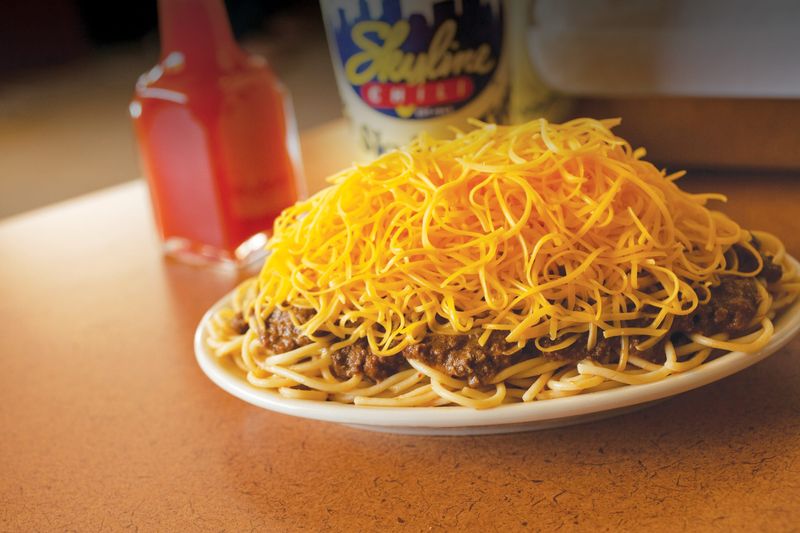
On one side of what Fifth Third CEO Tim Spence called “an internal civil war” is Cincinnati chili, that nutmeggy stuff served over spaghetti with the frequent addition of beans. On the other is Texas red, meaty and spicy wih no beans allowed.
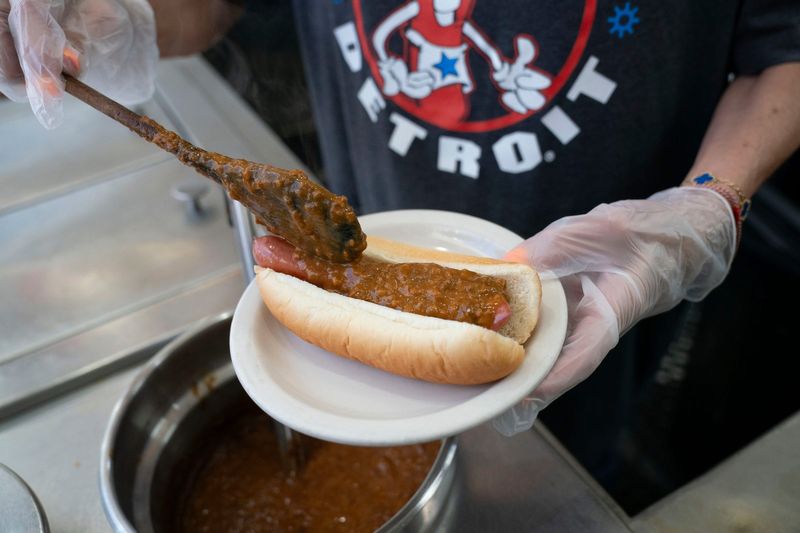
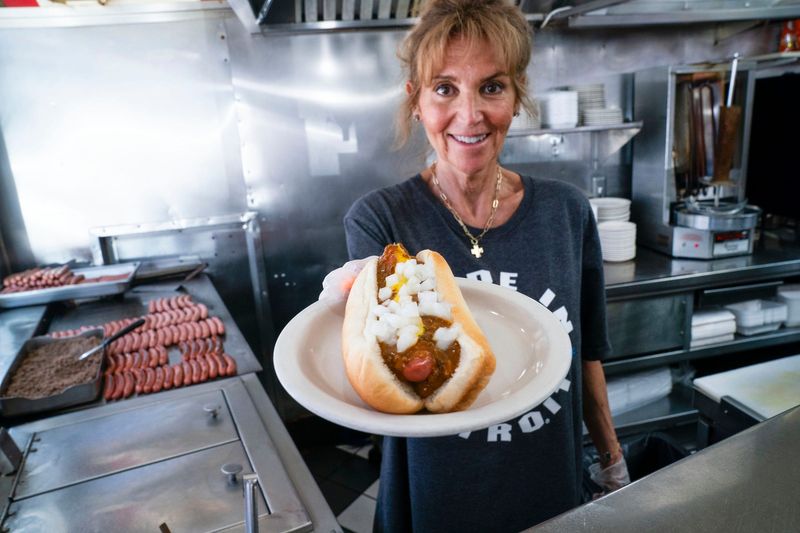
Nowhere in the discussion was Detroit-style Coney chili − thick, reddish brown, bean-free, and never, on pain of excommunication, ladeled onto noodles and eaten with a fork.
We get that Comerica Park will have a new name next season. We get that Comerica’s Great Lakes Campus in Farmington Hills will absorb 502 painful layoffs between July and November. We get that 55 Comerica branches in Michigan will close as of Labor Day, and the 90 or so survivors will emerge from the long weekend with Fifth Third signs.
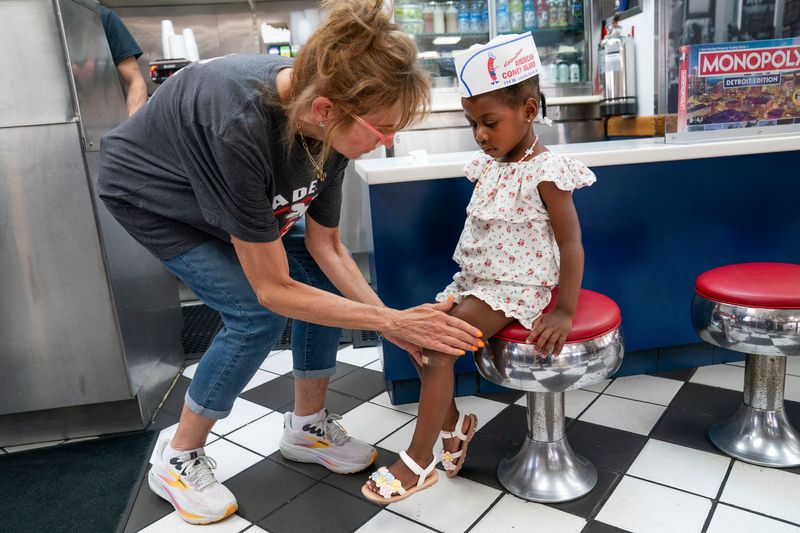
That’s the circle of banking life. But as American Coney Island owner Grace Keros said Monday when I rang her up, “At least pretend you’re part of the culture.”
Marching through mergers
The story of Comerica in Michigan includes a governor named Epaphroditus Ransom, which is reason enough to tell it.
In short: founded as the Detroit Savings Fund Institute in 1849 by Elon Farnsworth, another character name you’d make up if “Bridgerton” was set in Melvindale. Authorized in an act signed by Ransom, the first governor to be inaugurated in Lansing.
Changed name to Detroit Savings Bank in 1871, then Detroit Bank in 1936 while weathering the Depression. Merged with three other local banks in 1956 to become Detroit Bank & Trust. Rebranded in 1982 as Comerica, short for “commercial” and “America,” one of those names recommended by a consultant that nobody likes but everyone eventually gets used to.
Merged in 1992 with Manufacturers National, thereby acquiring me as a customer. Sent me a letter a few weeks ago explaining that for my convenience, it was closing four of the five branches whose lobbies or ATMs I am most likely to visit.
Then: ignored Detroit chili, never mind that coneys fueled the workers who fueled the auto industry that helped all those permutations of Comerica-now-Fifth-Third grow.
That’s only a minor vexation for Keros, who’s on site and busy every day at American Coney and has other things to worry about. But she will smile inwardly, she said, if she sees a parade of Fifth Third ads once the takeover is complete.
“I’m thinking they’re going to come out with all these promotions geared toward Detroit,” she said. “‘We’re here for you, we love you'” − and never mind that peculiar chili they eat back home in Ohio.
The case for Cincinnati
One answer and two quick disclaimers:
If you’re wondering where Fifth Third’s name came from, it’s the 1908 merger of the Fifth National Bank and Third National Bank. Why all the Cincinnati banks back then had the same shortage of imagination is someone else’s mystery to unravel.
As for the disclaimers, Fifth Third arrived in Michigan in 2001, when it bought Old Kent Bank. It’s not a carpetbagger; it just has an incomplete picture of what’s preferable in chili.
Also, Cincinnati chili isn’t awful. You can make a case that it’s more of a meat sauce than a chili atop a plate of pasta, but buried beneath the standard 2 inches of grated cheese, it’s worth pulling off Interstate 75 for.
Attorney and Comerica retiree Cindi Brody, of Beverly Hills, recommends the upscale version from the Rusty Bucket in Bingham Farms, which is part of a chain based in Ohio.
She prefers Detroit coneys, however, as did her former colleagues downtown.
“Everyone liked them,” she said, though “I suppose some people who moved with the headquarters eat whatever they eat in Texas.”
Limiting the post-takeover chili discussion to Cincinnati and Dallas, Brody said, was poor form. “There’s a huge gap in the middle here.”
Exactly, Keros said.
It’s one thing to slap your name on the Tigers’ ballpark, if that’s how things turn out. It’s another to know the score.
Reach Neal Rubin at NARubin@freepress.com.
This article originally appeared on Detroit Free Press: Fifth Third’s purchase of Comerica leaves out Detroit Coneys
Reporting by Neal Rubin, Detroit Free Press / Detroit Free Press
USA TODAY Network via Reuters Connect
By Neal Rubin, Detroit Free Press | USA TODAY Network