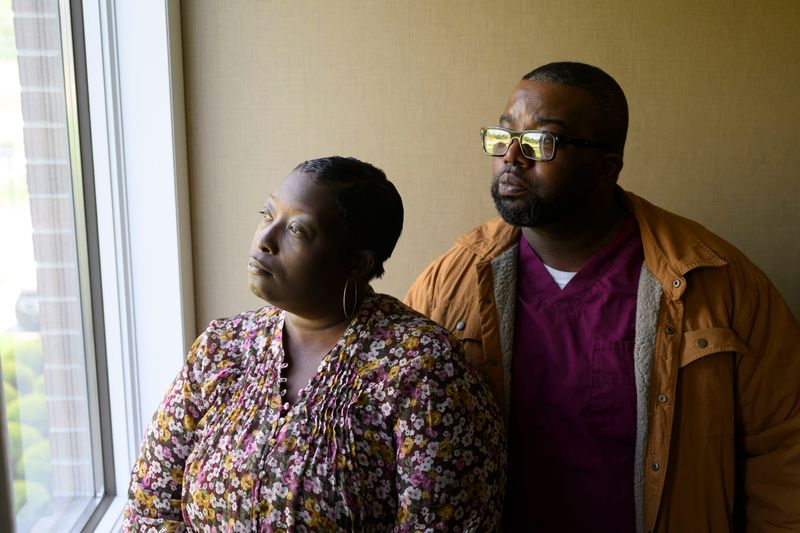
Farmington Hills — The parents of a Metro Detroit woman who died inside Michigan’s only women’s prison this month, one of two prisoners who died within four days of each other, are calling for reform at the Ypsilanti facility and for answers about their daughter’s death.
Khaira Howard, 28, died May 14 in a medical observation cell at Women’s Huron Valley Correctional Facility. Rebecca Fackler, 57, another prisoner, died May 17. Both reportedly died after they were denied medical care, said two attorneys handling civil cases for loved ones of the two women.

In Howard’s case, the attorney representing her family, Tim Holland, said he has heard reports that Howard was denied medical care in retaliation for her complaints about the conditions at the prison and about having to scrub black mold without protective equipment.
The prison has recently been under fire over its conditions. A state House oversight committee heard testimony in February from prisoners, advocates and former staff testified about the conditions, including mold and a lack of medical care, similar to complaints that have risen since the two women’s deaths.
“There’s been multiple deaths at the facility. They’re claiming different causes to each, but you know, one has to ask the question why so many people are experiencing the same situation,” Holland said. “Either (the Michigan Department of Corrections) policies and procedures are woefully, woefully inadequate, or you’re not following the policies and procedures you have in place. Either way, we’ve got major problems.”
Jenni Riehle, a spokeswoman for the Michigan Department of Corrections, on Wednesday said reports of “dangerous, systemic, black or toxic mold conditions are simply false” and denied that prisoners are denied access to medical care.
“The department takes the safety and security of those under our supervision very seriously and has comprehensive processes and medical protocols for health emergencies. This includes processes for assessing patient health by qualified onsite staff, requesting outside emergency medical services if needed, and conducting life saving measures,” Riehle said. “All incarcerated individuals are provided a consistent community standard of care which includes access to regular medical assessments, outside specialists, and emergency services.”
Six women died at the prison in 2025, Riehle said. Four died of chronic conditions and two died of unknown causes. Jennifer Jean Wallace died of sepsis stemming from what her family believes was an abscessed tooth that became infected after she could not receive treatment.
No results have come back from the autopsy MDOC requested on Howard, Holland said, nor have results come back from the independent autopsy Holland had performed Monday.
“We think that the autopsy is going to show that this was absolutely preventable with the right medical care,” Holland said. “I find this position that they’re taking that ‘it’s all good’ to be absolutely laughable.”
Mom says MDOC would not help her daughter
Howard had schizophrenia, her mother, Shaquillia DeShields, said, and had been complaining about her health for weeks before her death. Schizophrenia is a serious mental health condition in which someone can experience psychosis with hallucinations and delusions.
About eight weeks before her death, Howard had a psychotic break, DeShields said. She said her daughter told her she was not getting her medication. When DeShields went to see Howard April 14, Howard was still in the midst of a psychotic episode, she said.
DeShields asked the prison for help, but the next day someone from the prison called her and said Howard did not have schizophrenia, as DeShields had told them.
So DeShields started calling around: to MDOC, to state workers in Lansing, to the warden’s staff, but she said no one was able to help her.
Prison staff told DeShields that Howard was complaining of a stomach ache around 6 p.m. May 14, the day she died, and was rolling around on the ground. They said she was alert and when they checked her vitals, her heart rate was 60 and her hands were cold, but after she rolled under the bed, she became unresponsive.
“I don’t believe nothing they told me, except her hands were cold. That part was true,” DeShields told The Detroit News Thursday.
She’s heard from other women at the prison who have called her and Holland, saying Howard was screaming for help because her chest was hurting, and that someone was with her but they left for about 40 minutes. When they came back, Howard was unresponsive, DeShields said she was told. She’d been complaining about her health for weeks, the women told her.
Howard’s father, Don Howard, said his daughter called him in March to tell him the prison was making her clean up mold. She asked him to get her a lawyer, but said as they were talking, the call cut out.
“She was there to serve her time and try to do better when she get out,” DeShields said. “They didn’t give her the opportunity to do better.”
Don Howard added: “And she definitely had a plan to do better when she got out.”
Parents seek reform at Women’s Huron Valley
DeShields and Howard want reform at the prison. She wants the state’s corrections department to close Huron Valley, which has about 1,800 prisoners, and move the women to another facility.
On MDOC’s continued insistence that there is not black mold at the prison, DeShields said, “let’s put them in there”
“Let them stay overnight in those cells … or put your kids in there and let them take a nap, and then let’s see how you feel about it, see if it’s OK for you,” she said.
DeShields urged MDOC to release Krystal Clark, who has been outspoken about the impact the mold at the prison is having on her health. DeShields said when she spoke to Clark on Wednesday, her breathing was shallow and she had a hard time speaking to her.
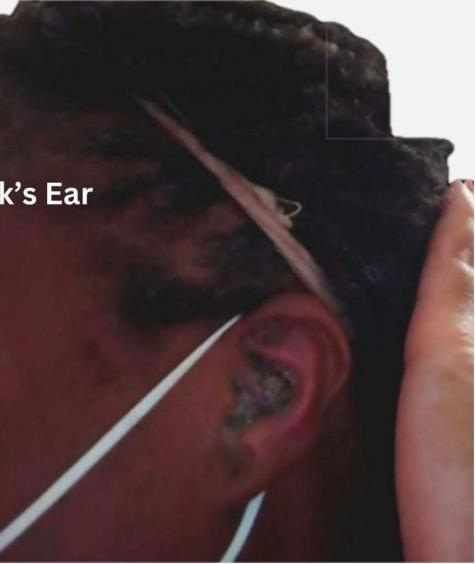
Janice Green, who wrote a letter to the February House Oversight Committee meetings while was acting as Clark’s spokesperson, wrote that Clark became ill shortly after her arrival at Huron Valley in 2011. Lab tests showed she has a fungal infection caused by mold in her lungs and ears, as well as visible mold growth in her ears. The grievances she’s filed have been ignored, Green wrote.
Clark first filed a class-action lawsuit in 2019 about the mold at the prison, though the case was dismissed in August 2023. The attorneys refiled the case, alleging that due to the lack of adequate ventilation at the prison, along with damp and dirty conditions, women imprisoned there have suffered long-term exposure to mold, toxins and allergens.
Though the state argued that qualified immunity bars the inmates from suing them, U.S. District Judge Stephen Murphy said the Michigan Department of Corrections did not act reasonably. Instead of fixing the conditions, prison officials focused on concealing issues before visitors came, he said.
“Huron Valley is infested with mold. The mold eats through bricks and door frames,” Murphy wrote in his ruling. “It drips off the ceiling. It falls out of air vents. It bubbles and bursts through paint. And it leads to a parade of horrible medical conditions — respiratory infections, wheezing, skin rashes, etc.”
kberg@detroitnews.com
This article originally appeared on The Detroit News: Family of woman who died at Michigan women’s prison calls for reform
Reporting by Kara Berg, The Detroit News / The Detroit News
USA TODAY Network via Reuters Connect