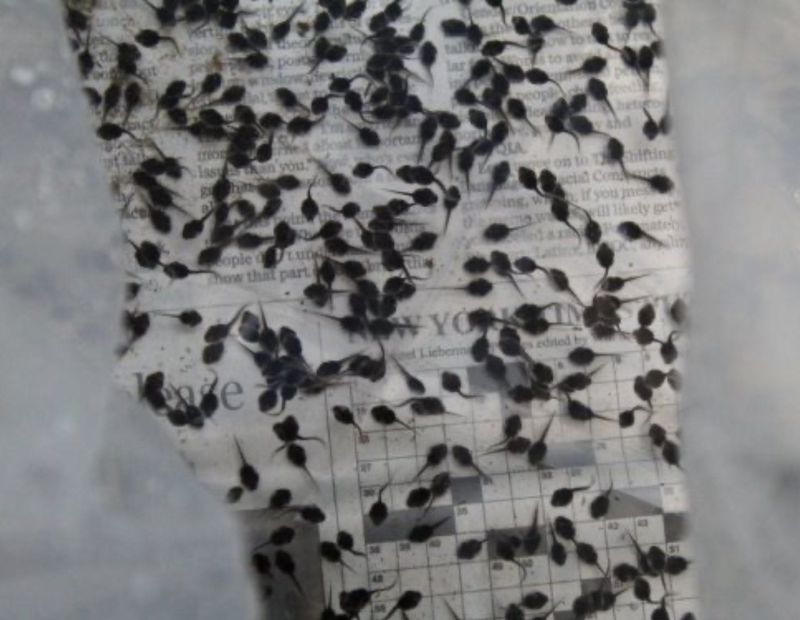
The Detroit Zoo recently gave hope, help, and future hops to Puerto Rico by sending 6,855 tadpoles to the island territory.
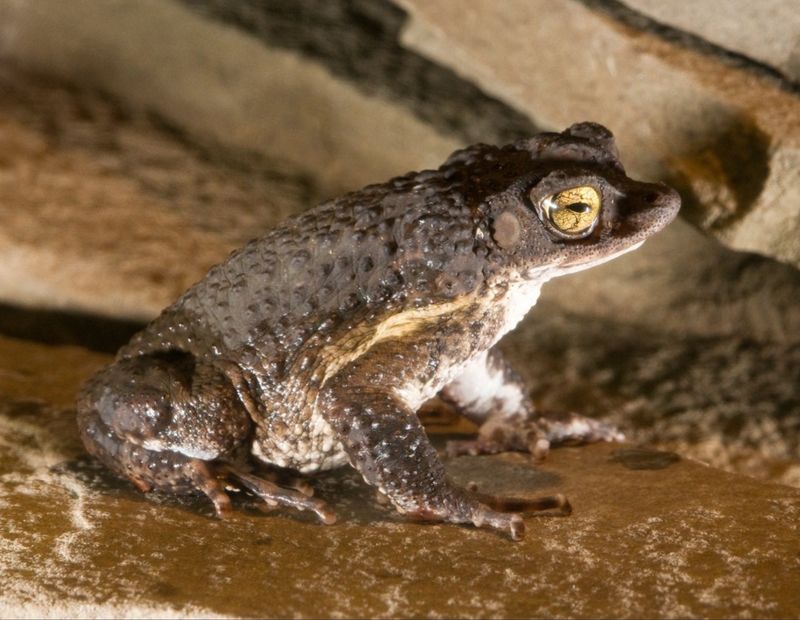
The tadpoles, hatched at the Detroit Zoo, will be released into a rainforest area known as Rio Encantado in Manati and grow into Puerto Rican crested toads, a critically endangered amphibian found only in Puerto Rico.

Why the Puerto Rican crested toad is endangered
“Each of these tadpoles represents a lot of care, coordination and hope,” Mark Vassallo, curator of amphibians for the Detroit Zoological Society, said. “For our team, it’s incredibly meaningful to know that work happening here at the Detroit Zoo can help support the future of a species in Puerto Rico. Amphibians are facing serious challenges globally, and efforts like this show how zoos and the communities that support them can play an important role in protecting vulnerable wildlife.”
Detroit Zoo’s role in saving the species
The zoo’s effort is part of a species survival plan for the toads begun in the 1980s, the longest-running amphibian reintroduction program in the world. The Detroit Zoo helps the toads and the ecosystem of Puerto Rico through specialized animal care, collaboration and conservation expertise.
According to the Puerto Rican Crested Toad Conservancy, population estimates for toads collected during breeding events over the past three decades have fluctuated between 300 and 3,000 individuals in Guánica National Forest, an area vulnerable to environmental catastrophes, including hurricanes and prolonged droughts.
In the breeding and reintroduction program in which the Detroit Zoo participates, tadpoles are released in the north of the island.
Threats from predators and habitat loss
Factors contributing to the decline of the Puerto Rican crested toads include habitat alteration, invasive species such as marine toads and Cuban tree frogs, and other known predators, including feral dogs, cats, mongoose, and more.
Puerto Rican crested toads rely on healthy habitat and temporary freshwater pools to breed, making conservation efforts especially important. By supporting tadpole releases, the Detroit Zoo is contributing to a larger effort to strengthen wild populations and protect an important part of Puerto Rico’s native biodiversity.
How the Detroit Zoo breeds and sends tadpoles
The Detroit Zoo carefully selects breeding pairs according to genetic recommendations and, in a three- to four-month process, creates the ideal conditions for breeding found in the wild. In early May, the pairs were bred, and about a week later, the tadpoles were sent to Puerto Rico.
In addition to this most recent release, the Detroit Zoo has raised and released 143,195 tadpoles to date as part of this important conservation program.
What happens after the tadpoles reach Puerto Rico
After the tadpoles arrive on the island, Vassallo said, they metamorphose in less than two weeks, growing from the size of a dime to about 50-60 grams as an adult, able to fit in the palm of your hand. Their lifespan in the wild is about 5 years.
Their size and rarity and remote location in Puerto Rico could make them difficult to see in the wild, but the Detroit Zoo offers you the opportunity here.
The zoo, one of only two U.S. zoos with a dedicated amphibian center separate from reptiles, is home to more than 50 Puerto Rican crested toads in a biosecure exhibit and is pleased to be part of the effort to conserve them in the wild.
“This is work the zoo really gets behind and is a big part of the zoo’s mission,” Vassallo said. “We do conservation locally and internationally, we are happy to do it and I am proud to be part of this program.”
Contact reporter Susan Bromley at sbromley@hometownlife.com
This article originally appeared on The Detroit News: Detroit Zoo sends 6,855 tadpoles in race to save endangered toads
Reporting by Susan Bromley, Hometownlife.com / USA TODAY Network / The Detroit News
USA TODAY Network via Reuters Connect
By Susan Bromley, Hometownlife.com / USA TODAY Network | USA TODAY Network