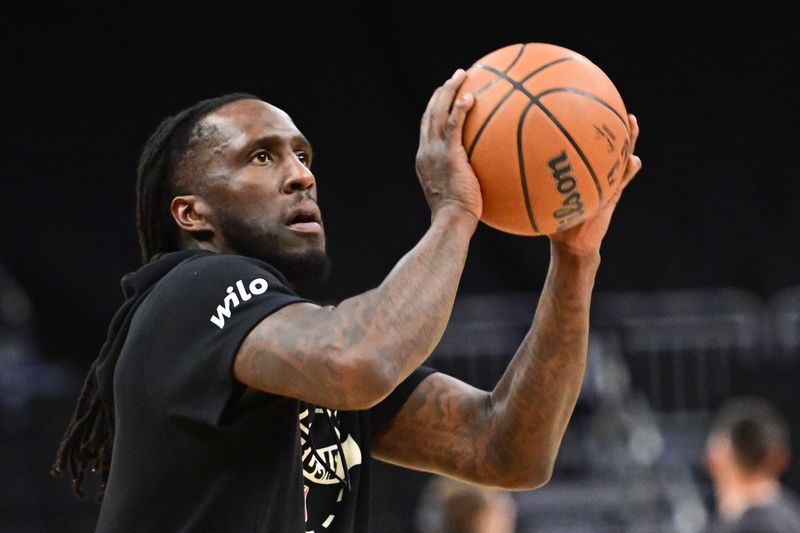
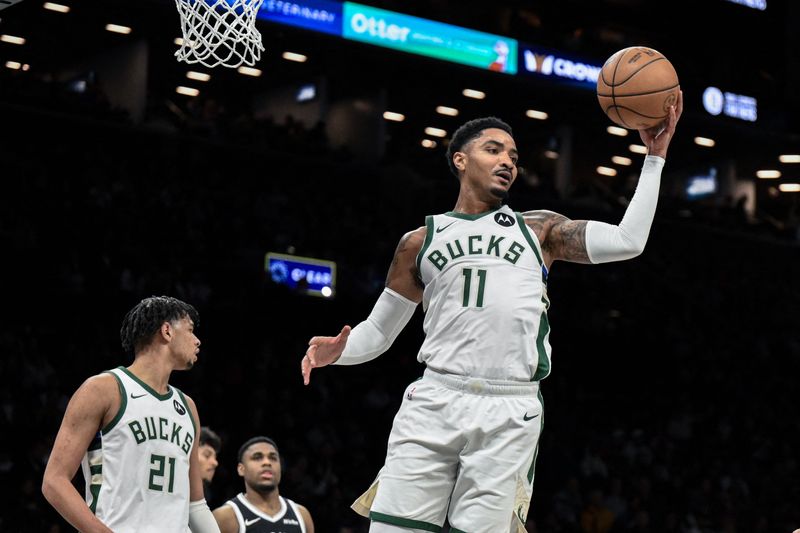
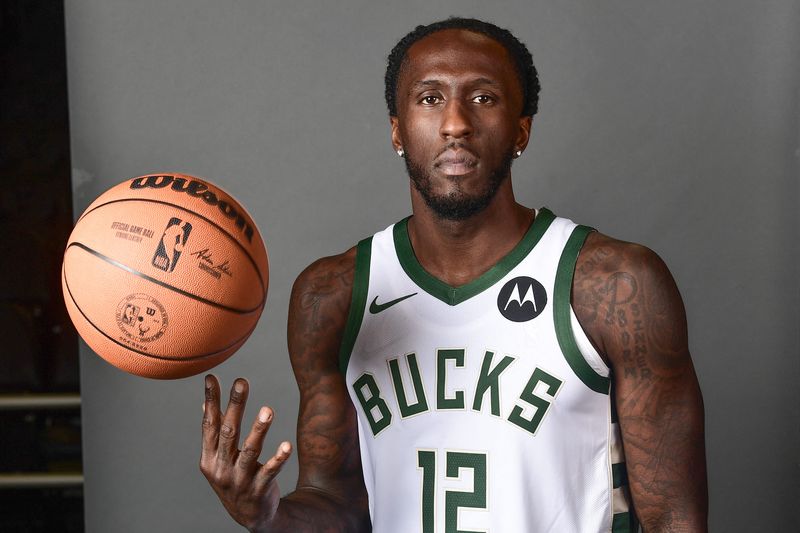
Detroit — The Detroit Pistons participated in a six-team trade on Tuesday, resulting in significant changes to their roster. The Pistons acquired forward Taurean Prince and guard Gary Harris from the Milwaukee Bucks in exchange for Caris LeVert and two second-round picks.
The deal also involved the Pistons trading center Isaiah Stewart and Marcus Sasser, who were sent to the Memphis Grizzlies and Dallas Mavericks, respectively. With Prince and Harris coming to Detroit, here are three key takeaways from the Pistons’ latest roster move.

Having a prince as a contingency plan
The futures of Harris and Prince are doubtful, and it wouldn’t be surprising if neither player is on the roster when the season opens in mid-October. However, when considering which player is most likely to contribute to Detroit’s success next season, Prince has the best opportunity.
At 32 years old, the 6-foot-6 forward has demonstrated he remains a productive player, even after a neck injury sustained in November sidelined him for four months.
In 26 games last season, Prince averaged 9.2 points per game, shooting 45.0% from the field and 43.6% from beyond the arc..
While much of Prince’s production will come on the offensive end due to his shooting, he has had a solid career as a proven 3-and-D wing who can guard nearly every position as a versatile defender.
Expected to come off the bench, Prince can fill the void left by LeVert’s trade and provide more consistent production for the second unit. Aside from his injury-riddled season last year, Prince has consistently been a contributor for nearly every team he has played for over his 10-year career.
Harris is likely not in the Pistons’ immediate future
While Prince has the potential to carve out a minor role with the Pistons next season, Harris’s future is a bit more uncertain. Harris shares similar attributes with Prince, but as a 6-foot-4 combo guard. He has been a reliable 3-and-D player since entering the league as a first-round pick by the Chicago Bulls in 2014, coming out of Michigan State.
However, Harris likely will be waived or traded to another team, given how deep the Pistons are at the guard position. The backcourt depth was one of the main reasons why Detroit decided to move on from Marcus Sasser on Tuesday night.
In addition to Detroit’s guard depth, Harris played in 48 games for the Bucks last season and posted his most inefficient year, averaging a career-low 2.7 points in 13.8 minutes per game.
At 31 years old, Harris is no longer the highly productive player he once was during his prime. He was once a productive role player with the Denver Nuggets and Orlando Magic during his first 12 seasons, averaging 9.9 points, 37% from beyond the arc and 1.0 steals per game.
Additional financial flexibility
Due to the CBA rules, which include the restrictive first and second aprons, it seems every team has made moves this summer based on their financial situations. According to Brad Stevens — general manager and president of basketball operations for the Boston Celtics — the primary reason for trading Jaylen Brown to the Philadelphia 76ers was to gain financial flexibility for the future.
While moving on from LeVert is nowhere near on the level of the five-time All-Star and former Finals MVP, leaving the Pistons created more financial flexibility.
As part of the two-year deal he signed last summer, LeVert is set to earn $14 million for the 2026-27 season. By sending him to the Bucks, the Pistons landed two players who will earn $3.8 million, respectively, for the upcoming season. As a result, the Pistons save close to $7.0 million in cap space, and both players are on expiring deals.
The Pistons currently have around $35 million available, considering the pending extension of Jalen Duren. Detroit is in a favorable position to make moves and continue adding prominent talent to the roster this offseason.
After the trade that sent Giannis Antetokounmpo to the Miami Heat, Tyler Herro’s future with the Bucks remains uncertain, and the Pistons are still a plausible destination for the All-Star shooting guard. Another player on the trade block is the New Orleans Pelicans’ Trey Murphy III, who is another potential target for Detroit.
Even if the Pistons do not acquire Herro or Murphy and enter the season with the current roster, they will still have financial flexibility at the trade deadline, allowing them to upgrade the roster midseason.
coty.davis@detroitnews.com
@cotydavis_24
This article originally appeared on The Detroit News: 3 takeaways from Pistons adding Taurean Prince, Gary Harris
Reporting by Coty M. Davis, The Detroit News / The Detroit News
USA TODAY Network via Reuters Connect
By Coty M. Davis, The Detroit News | USA TODAY Network