

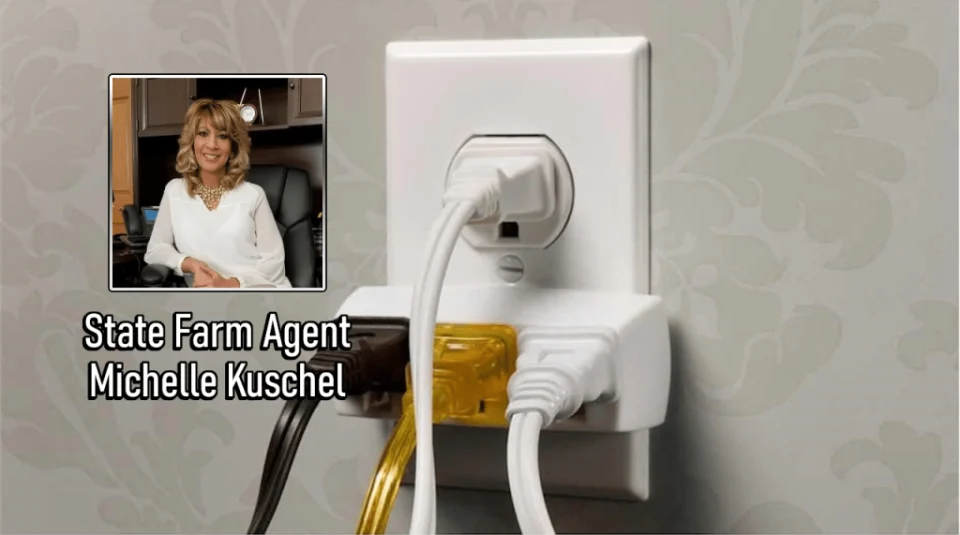
By Michelle Kuschel

Stop Home Electrical Fires Before They Start
According to the Electrical Safety Foundation International, electrical failures cause 43,900 home fires every year. Those fires cause about 400 deaths, around 1,400 injuries and close to $1.5 billion dollars in property damage. One simple way homeowners can prevent costly electrical fires is with a home fire inspection.
Many fire departments offer this service — often free of charge. Ask your local department about having a professional inspect your home for potential electrical issues and recommend steps for improving fire safety.

What home fire inspectors may review
An inspector should review all fire hazards in your home, from testing smoke detectors to making sure curtains and other flammables are a safe distance from heat sources. Electrical factors they might inspect include:
- A proper ground. “One thing a home fire inspector should check is to make sure your home is grounded,” says Bill Burke, division manager of electrical engineering for the National Fire Protection Association. Grounding diverts excess current that may result from an electrical surge and helps to keep electrical systems, devices and humans safer.
- Electrical panel. “There should be air space around the main panel,” Burke says. Inside, there shouldn’t be evidence of overheating or corrosion, and the fuses and breakers should be the correct size.
- Appliances. “If you have a device that’s going to cause a home fire, it’s most likely going to be one that draws a lot of current,” Burke says. Inspectors might check the integrity of cords and plug-ins on fridges, stoves and other large appliances.
- Out-of-date equipment. A home fire inspector can suggest improvements to reduce the risk of an electrical fire. One important update would be to install arc-fault circuit interrupters, which are designed to detect fire-starting arcs and shut down power.
- General safety concerns. The inspector also should look for electrical hazards such as receptacles and switches that aren’t functioning properly, light bulbs exceeding the maximum wattage, damaged cords and overloaded power strips.
What homeowners can do
You also can help prevent electrical fires. Walk through your home to double-check that you’re using extension cords safely and to look for overheated switch plates, buzzing sounds coming from outlets and other signs it’s time to rewire your home.
How fire-safe is your home? Read these fire safety tips from the National Fire Protection Association.
disclosure
State Farm® (including State Farm Mutual Automobile Insurance Company and its subsidiaries and affiliates) is not responsible for, and does not endorse or approve, either implicitly or explicitly, the content of any third party sites hyperlinked from this page. State Farm has no discretion to alter, update, or control the content on the hyperlinked, third party site. Access to third party sites is at the user’s own risk, is being provided for informational purposes only and is not a solicitation to buy or sell any of the products which may be referenced on such third party sites.
Because insurance protection is a contract, any coverage descriptions in this article are general only and are not statements of contract. All coverages are subject to all policy provisions, including applicable endorsements.
