A look at the day ahead in European and global markets from Tom Westbrook
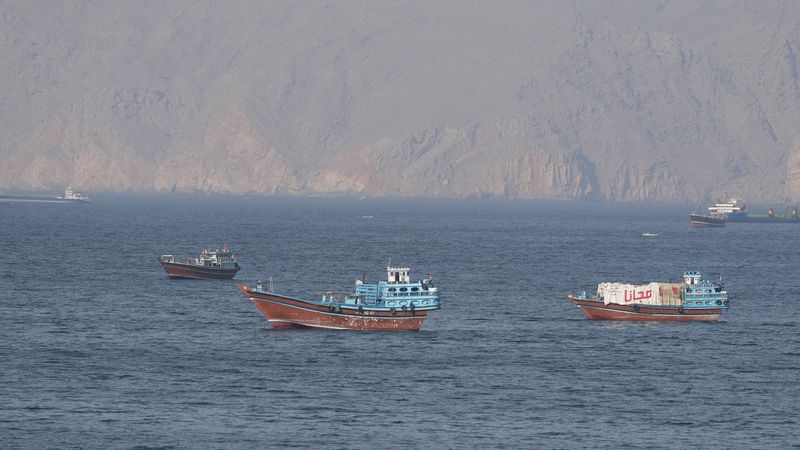
Markets chose to look past weekend headlines and the risk of a re-ignited and wider Mideast conflict, and traded – thinly – on hope for a deal to get ships moving through the Strait of Hormuz.

S&P 500 futures fell. But the 0.6% drop – as of Asia’s lunchtime – rested on tiny volumes and was a very modest retreat from Friday’s record highs. Most Asian markets advanced. European futures fell 1.1%.
Oil futures came off opening highs to sit around 5-6% higher, but shy of the $100-a-barrel level. [MKTS/GLOB]
The U.S. said it had seized an Iranian cargo ship that tried to run its blockade and Iran vowed to retaliate. Iran also said it would not participate in a second round of talks the U.S. had hoped to begin before the ceasefire expires on Tuesday.
European allies worry an inexperienced U.S. negotiating team is pushing for a headline‑grabbing deal with Iran that could lead to bigger problems down the road.
Canada’s Prime Minister Mark Carney even said close ties to the United States were once a strength but have become a weakness, in a sign of how the war is reshaping diplomacy.
Broad markets, however, were watching the strait and, even though Iran had said it was again closed, were buoyed by data from Kpler showing more than 20 ships had transited on Saturday – the busiest day since March 1.
Earnings, data and other market drivers were also creeping back into the picture.
In London on Monday, British premier Keir Starmer will address parliament facing calls for his resignation over his handling of the appointment of Peter Mandelson as U.S. ambassador, whose ties to sex offender Jeffrey Epstein led to his sacking last September.
Key developments that could influence markets on Monday:
– U.S.-Iran relations
– Starmer parliamentary address
– Canada CPI
(Editing by Jacqueline Wong)