NAIROBI, April 7 (Reuters) – Kenya’s private sector activity contracted in March for the first time since August, partly due to the war in the Middle East, with only the wholesale and retail sectors experiencing expansion, a survey showed on Tuesday.
The Stanbic Bank Kenya Purchasing Managers’ Index fell to 47.7 in March from 50.4 in February, the survey showed. Readings above 50.0 indicate growth in business activity, while those below that signal contraction. It is the first time since August 2025 that the index has gone below 50.

“The slowdown in private sector activity was broadly demand-led, with many firms pointing to constrained customer spending, reduced cash circulation and tighter household budgets,” Stanbic Bank said in comments accompanying the survey.
“The Middle East war also resulted in more cautious spending patterns among some firms, as well as logistics constraints to customer deliveries and higher prices for fuel and transport.”
President William Ruto said on March 30 that the government was assessing the war’s impact on prices and that measures were being put in place to ensure Kenya retains sufficient supplies.
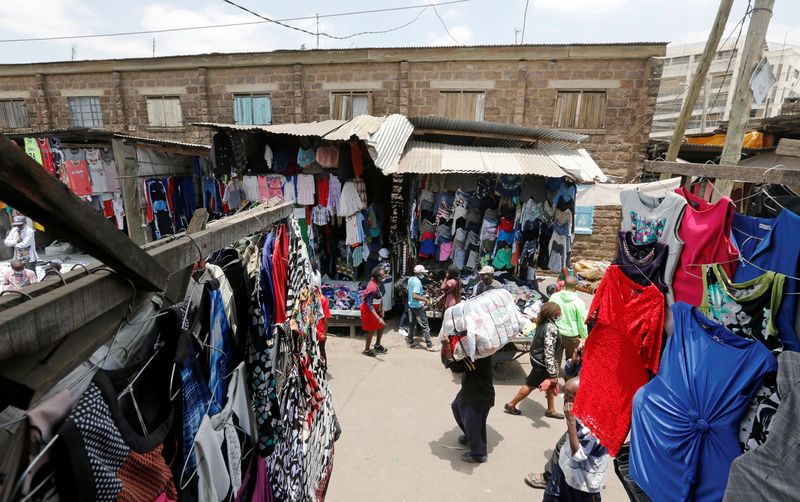
The Stanbic Kenya survey said the only sector that experienced expansion in March was wholesale and retail.
“Output and new orders declined in most sectors, implying that businesses expect to be constrained by the disruptions from geopolitical tensions,” Stanbic Bank Economist Christopher Legilisho said.
The finance ministry forecasts the economy grew by 5.0% in 2025 and will expand 5.3% this year, up from 4.7% in 2024.
(Reporting by George Obulutsa; Editing by Hugh Lawson)