EVANSVILLE — Kinley Hawkins initially thought the opportunity wasn’t real.
Mind you it wasn’t a shady backroom deal or a bag left on her doorstep. Just an email from Kevin Sternberg, the Soccer Post store owner in Clarksville, asking if Hawkins would want to become a brand ambassador to promote the business. After discussions with her family, the Warrick County athlete said yes.

And thus became one of the first examples of a new era in Indiana high school athletics.
Starting this summer, athletes can engage in Personal Branding Activities (PBA) which allows them to potentially monetize their own name or personal apperance while maintaining eligibility at the high school level. It is similar to Name, Image and Likeness at the college level but with different wording and rules.
“I was like, ‘He’s joking’,” Hawkins said. “He emailed us saying I think it’d be a great opportunity for us as much as it would be for you. I had to sign a contract. I’ll be advertising them and they’ll advertise on their page with my photos.”
What exactly is PBA? What is or won’t be allowed? Will this become more common? All questions that athletes, schools and the Indiana High School Athletic Association are attempting to navigate beginning with this school year.
What is Personal Branding Activities?
It is a term chosen by the IHSAA to distinguish its model from the college version of NIL. The new bylaw was passed by a 13-5 vote from the board of directors in May. Indiana became one of the last remaining states in the country to allow its athletes to “benefit independently from their school” through name, image and likeness.
With it comes many rules. Athletes can receive compensation through non-school/non-athletic activities, personal brand development (social media endorsements or personal apperances) or skill-based services (personal training, tutoring or coaching youth sports for reasonable compensation) as long as they don’t depict any affiliation with a member school.
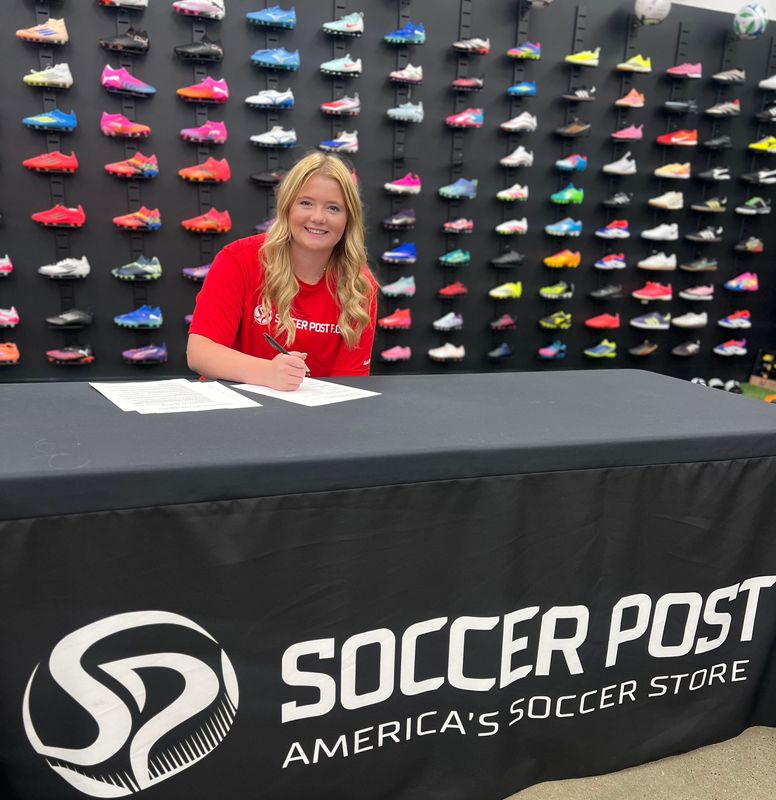
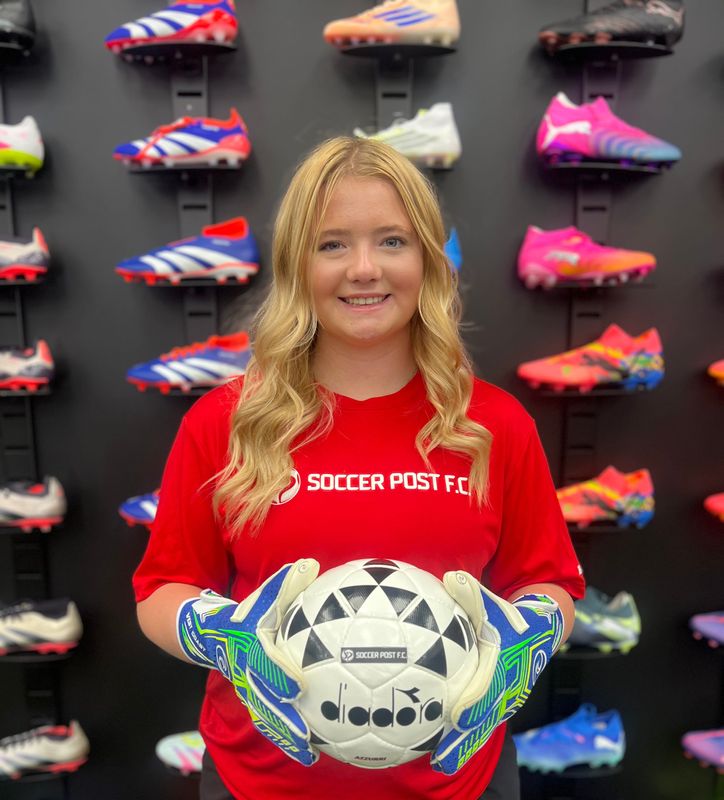
One example, an athlete could rep a sporting goods company that sells athletic apparel. Such is the case with Hawkins, a junior goalkeeper at Castle High School. Having previously interacted with the Soccer Post location through club season, there was a built-in familiarity with the store in Clarksville. She had an official signing on July 6.
Hawkins has already promoted the business on social media with more interactions planned, either online posts or in person, to represent them. Soccer Post is the largest chain of speciality soccer stores in the country with locations in 18 states. It also provides training services in addition to the physical store. Sternberg told the family he enjoyed how Hawkins played and how she carried herself away from the field. It could be a beneficial partnership as the business considered expanding.
And no, there wasn’t a giant lump sum of money attached.
“She hasn’t been given a yacht or a million dollars,” Deron Hawkins, her father, said. “This isn’t get a rich thing. This is more to spread the awareness of not only Soccer Post but the abilities that are out there. This is an opportunity to be the ambassador as they expand in this area. Also to teach younger kids to work hard and play harder.”
There are several prohibited items in the new bylaw to maintain IHSAA eligibility. The athlete again can’t reference or represent a member school in doing so (can’t wear a school uniform in a billboard or digital ad, for example, nor say they are from XYZ school). They can’t promote any products related to gambling, alcohol, tobacco, cannabis, illegal or banned substances, sexually explicit material or firearms. They can’t use school facilities or property. These deals also can’t be used to entice a student to transfer to another high school.
The Hawkins family wanted to act strictly by the book once the opportunity was vetted. They immediately contacted the school’s athletic department and the contract was sent directly to the IHSAA. Its wording was tweaked multiple times so that nothing violated any rule. She was believed to be the first female athlete in Indiana to be approved.
“The last thing I wanted to do was put her high school career in jeopardy,” Dana Hawkins, her mother, said. “We don’t really know everything because we’re all riding this roller coaster together. We’re all kind of learning what we can do. We’ve been there having photo shoots and have to go back for events to represent them. We’re all trying to figure it out.”
This could become the new normal with time
There were immediate detractors once the regulation was passed in the spring. Many in that camp pointed to the blurred line between eduction-based athletics and the collegiate model, which includes revenue sharing and NIL opportunities. The IHSAA acted quickly in crafting language to avoid that connection.
Only a handful of states still prohibit any similar activities at the high school level. Michigan joined Indiana with new legistation this past spring. IHSAA commissioner Paul Neidig addressed the change shortly after it was passed in an open letter.
“As much as we wish it weren’t the case, the high school landscape is constantly reshaped by developments in college sports,” Neidig wrote in part. “More accurately, it’s reshaped by the expectations of parents who believe their children will one day be navigating the structure of high Division I sports. As such, it makes it nearly impossible to talk about the introduction of PBA without comparing it to what exists in college. After all, that system — and the expectations it has created — is the driving force behind why the PBA rule is even needed.”
It’s unclear how often this will be utilized or by whom due to the novelty and unfamiliarity. Many of the more recognized athletes around Southwestern Indiana in recent memory could have potentially benefited from this. Or perhaps they would have declined.
Former Memorial standout Cohen Havill signed an NIL deal with Casey’s Dugout, a pizzeria restaurant in Evansville, after graduation. The incoming Loyola University soccer player said he would have passed on the opportunity if it had been within the rules a year ago.
“I think Personal Branding Activities is kind of inappropriate,” Havill said. “When you think about high school sports, it’s more about development and what you want as a player and person. I don’t think business deals should be applied to that at all. Having a player on a team that’s making money in a group of 14 to 17-year-old range is not going to help the team. It’s just going to cause problems.
“There’s a maturity (aspect). Handing high school kids these deals is just completely instilling complacency, big egos and stuff that should not be put in their minds. Especially for top athletes where you already have a bit of an ego.”
Hawkins said her high school and travel teammates were supportive following the annoucement. The family understands this won’t be for everyone but didn’t encounter any negative reaction personally. Their discussions also involved how to use this opportunity for more than just herself. If younger athletes see someone like her receive this, she hopes it pushes them to work hard enough to earn it.
Hawkins received interest from several colleges once the open contact period began on June 15 and took visits this summer across mutliple levels. She projects as one of the top returning keepers in Southwestern Indiana this fall.
“With anything that’s not textbook fit, you’ll always get a little bit of negative reaction,” she said. “Why is it her or not this person? You have to realize, if you feel as though you’re doing what you feel is right in your heart, then you’ve got to go through with it. Sometimes that unknown can lead to bigger opportunities. Once it gets more understanding, I think you’ll see more and more start signing deals.”
Kyle Sokeland is a sports reporter for the Courier & Press. Follow him on X (formerly Twitter) @kylesokeland or email at kyle.sokeland@courierpress.com.
This article originally appeared on Evansville Courier & Press: High school athletes can cash in on their names now. Here’s an Evansville example.
Reporting by Kyle Sokeland, Evansville Courier & Press / Evansville Courier & Press
USA TODAY Network via Reuters Connect
By Kyle Sokeland, Evansville Courier & Press | USA TODAY Network